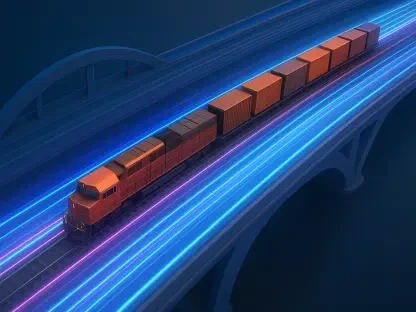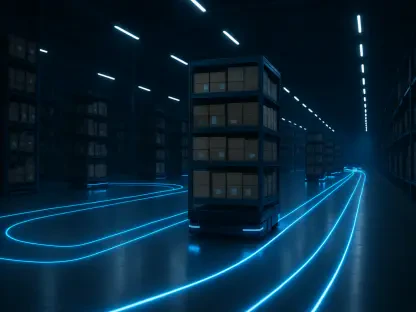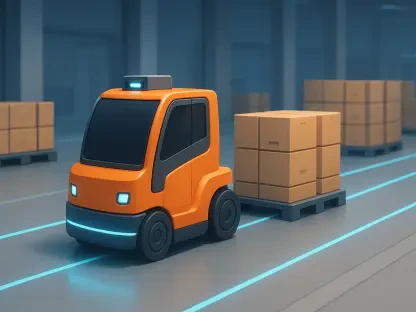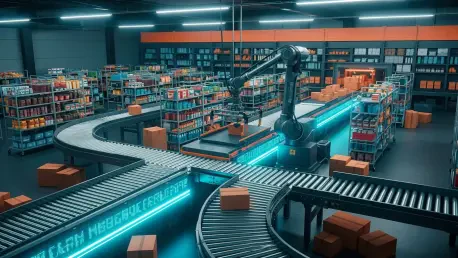

The traditional warehouse is no longer a static storage space but has transformed into a high-velocity computational hub where algorithms dictate the movement of millions of physical units. As global retail giants pivot toward a future defined by the convergence of software and mechanical labor, the integration of AI-powered logistics has become the primary differentiator between market leaders and those struggling with outdated distribution models. This shift represents a fundamental redesign of how goods move through the world, replacing human-centric sorting with a seamless, data-driven architecture.
The Evolution of Intelligent Supply Chain Infrastructure
Integrating high-tech AI infrastructure with physical delivery systems marks a departure from the reactive logistics of the past decade. Previously, automation was localized to specific tasks, but today’s ecosystem utilizes neural networks to manage entire facility lifecycles. By bridging the gap between digital predictive analytics and hardware, companies can now anticipate consumer demand patterns before an order is even placed, ensuring that the physical supply is always in the right geographic position.
This technological landscape has moved away from centralized mega-warehouses toward sophisticated robotics-driven frameworks that emphasize speed and adaptability. Unlike older models that relied on massive inventory stockpiles, modern infrastructure focuses on fluid movement. This transition allows for a more resilient supply chain that can pivot during disruptions, maintaining a steady flow of goods through intelligent routing and real-automated oversight.
Key Components of Modern Automated Logistics
Advanced Robotics and Fleet Management
The deployment of large-scale robotic fleets has redefined the baseline for operational efficiency within fulfillment centers. These machines are not merely tools but are autonomous agents capable of performing complex sorting and stowing tasks with millimeter precision. By taking over repetitive and physically taxing roles, these robots significantly reduce the risk of workplace injuries while operating at speeds that human labor cannot match, effectively doubling throughput in optimized facilities.
Moreover, the intelligence behind these fleets allows for dynamic task allocation. Rather than following a fixed path, robots communicate in real-time to avoid bottlenecks and prioritize high-urgency shipments. This level of coordination ensures that every square foot of a warehouse is utilized efficiently, allowing firms to manage a massive diversity of stock keeping units without increasing the physical footprint of their buildings.
Decentralized Fulfillment and Same-Day Delivery Systems
A shift toward decentralized fulfillment has enabled the rise of Same-Day Fulfillment Centers (SSDs), which act as hyper-local nodes in a massive delivery network. These facilities are specifically designed to house high-demand inventory, such as electronics or daily essentials, within close proximity to major urban populations. By placing the product closer to the consumer, the technical complexity of the “last mile” is reduced, allowing for delivery windows that were previously considered impossible.
High-velocity delivery networks rely on sophisticated inventory management software to ensure that these localized hubs never run out of stock. The integration of predictive AI means that items are replenished based on localized purchasing trends rather than national averages. Consequently, the performance of these systems is measured not just by delivery speed, but by the accuracy of their stock predictions, which minimizes the cost of holding unsold goods in expensive urban real estate.
Innovations in Micro-Fulfillment and Global Scalability
Recent developments have seen the emergence of micro-fulfillment centers as the primary growth engine for international markets. These compact, highly automated units can be integrated into existing storefronts or small urban spaces, providing a scalable solution for regions with dense populations and limited land. The “Amazon Now” model, which has seen remarkable monthly growth in emerging markets, proves that small-scale automation can be just as effective as large-scale industrial sites when managed by a robust AI core.
This scalability allows companies to enter new geographic regions with lower overhead costs than traditional expansion requires. By utilizing standardized robotic modules, a business can stand up a functional delivery node in a fraction of the time it takes to build a full-scale warehouse. This modular approach to global logistics ensures that high-speed delivery is no longer a luxury reserved for a few major cities but is becoming a standard expectation for consumers worldwide.
Sector-Specific Applications and Real-World Impact
The most visible transformation has occurred in the grocery sector, where the integration of perishable items into automated delivery rotations has solved a long-standing logistical puzzle. Handling fresh produce and temperature-sensitive goods requires a level of speed and precision that manual systems struggled to achieve. Automated systems now manage the cold chain with extreme accuracy, ensuring that groceries arrive at the consumer’s door faster and fresher than if the customer had visited the store themselves.
Beyond groceries, unique use cases like drone delivery are beginning to move from experimental phases into standard operational rotations. These autonomous aerial vehicles represent the ultimate expression of AI-physical convergence, bypassing ground traffic to deliver lightweight packages in minutes. This transformation of the retail landscape suggests that the definition of a “store” has changed; it is now a node in a high-speed network designed to satisfy the demand for instant gratification across all product categories.
Financial and Operational Challenges to Adoption
While the technological benefits are clear, the massive capital expenditure required for AI infrastructure presents a significant hurdle. Investing billions into robotic fleets and data centers often results in a short-term reduction in free cash flow, which can create friction with investors focused on immediate returns. This financial pressure requires a strategic long-term view, as the initial costs of setting up a truly automated network are substantial and the return on investment takes years to fully materialize.
Technical hurdles also persist, particularly regarding the interoperability of different robotic systems and the massive energy requirements of AI-driven facilities. Ongoing development efforts are focused on creating more energy-efficient processors and more flexible software interfaces that can bridge the gap between different hardware generations. Overcoming these market obstacles is essential for widespread deployment, especially for smaller players who cannot afford the same level of experimentation as industry giants.
The Long-Term Outlook for AI-Physical Convergence
The trajectory of the industry suggests a total transformation where traditional retail giants evolve into specialized AI and robotics firms. As these companies refine their localized fulfillment hubs, the boundary between the digital storefront and physical reality will continue to blur. The long-term impact of near-instant gratification will likely reshape urban planning and consumer behavior, as the need for personal transport for shopping diminishes in favor of a ubiquitous, automated delivery layer.
Future breakthroughs in this space will likely involve even more localized solutions, such as automated delivery lockers in residential buildings or mobile fulfillment units that move through city streets. This evolution point toward a world where the friction of obtaining a physical object is virtually eliminated. For the global commerce sector, this represents a permanent shift in how value is delivered, moving away from the product itself and toward the speed and reliability of the delivery mechanism.
Final Assessment of AI-Powered Logistics
The transition toward high-speed, automated delivery networks proved to be an essential evolution for the survival of large-scale retail in an increasingly demanding market. By prioritizing the integration of robotics and decentralized fulfillment, companies successfully redefined the logistics standard from a reactive process to a proactive, intelligent system. While the financial costs were immense, the resulting operational resilience and speed created a competitive barrier that traditional models could no longer overcome. Industry leaders recognized that the future of commerce was not just in what was sold, but in the sophisticated physical and digital infrastructure that moved it. This shift solidified the role of AI as the foundational architect of the modern global supply chain.