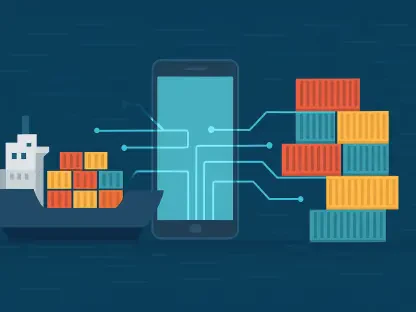

The contemporary landscape of global industrial trade demands a level of precision and digital integration that was previously reserved for only the largest multinational conglomerates. As the marketplace matures in 2026, the traditional boundaries between procurement, logistics, and sales have blurred, creating a need for a unified strategy that prioritizes transparency and rapid response. This guide serves as a comprehensive roadmap for organizations seeking to navigate these complexities, offering actionable steps to transform a fragmented supply chain into a resilient, data-driven engine for growth. By focusing on the core methodologies that define modern B2B success, enterprises can bridge the gap between their current operational capacity and the rigorous demands of a volatile global market.
Navigating the Complexities of Next-Generation B2B Logistics
The current state of Business-to-Business supply chain management involves a paradigm shift where the emphasis has moved from simple transportation to sophisticated orchestration. Unlike consumer-oriented models that prioritize individual speed and convenience, the B2B sector functions as a complex web of manufacturers, wholesalers, and industrial buyers. Each node in this network requires precise timing and a deep understanding of upstream and downstream constraints. Successfully managing this environment means moving beyond the siloed operations of the past to embrace a holistic view of the entire value chain, ensuring that every participant is aligned toward the same efficiency goals.
Efficiency in this volatile market is no longer just about cutting costs; it is about maintaining stability amid constant flux. The methodologies explored in this guide provide a framework for integrating cutting-edge technology with the fundamental supplier relationships that underpin long-term success. Organizations must foster a culture of transparency where data is shared freely between partners, allowing for a collective response to disruptions. This transition requires a departure from legacy mindsets, favoring instead a model where logistics is viewed as a strategic advantage rather than a mere cost center, enabling firms to provide superior value to their corporate clients.
The Evolution of Global Commerce and the Impetus for Resilience
Recent operational cycles have laid bare the structural vulnerabilities inherent in global trade, leading to a widespread erosion of confidence among supply chain executives. Persistent inaccuracies in demand forecasting and a lack of real-time visibility have created a “bullwhip effect” that ripples through the economy, causing stockouts for some and costly inventory gluts for others. Consequently, the industry is moving away from fragile, just-in-time models that prioritize thin margins over security. The new imperative is resilience, which requires a fundamental redesign of how goods are sourced and distributed to ensure that the flow of commerce remains uninterrupted by external shocks.
Building this resilient infrastructure starts with a clear understanding of the structural differences between B2B and B2C commerce. B2B models are defined by bulk transaction volumes and intricate financial cycles that involve complex credit arrangements. These factors create a unique set of pressures, where a single delay in the supply chain can have massive financial repercussions for multiple parties. Recognizing these nuances is the first step toward moving away from outdated frameworks. By focusing on the specific needs of industrial buyers—such as specialized handling and extended payment terms—businesses can build a robust foundation that withstands geopolitical shifts and market volatility.
A Strategic Blueprint for Reaching Supply Chain Excellence
Step 1: Distinguishing the B2B Framework from Consumer Models
The first phase of optimization requires a clinical assessment of how B2B logistics differs from the high-frequency, low-volume nature of consumer deliveries. In this sector, the buyer pool is significantly smaller and more specialized, but the magnitude of each individual order is vastly larger. Strategies must be tailored to professional procurement officers who prioritize reliability and bulk capacity over the flashy front-end experiences typical of retail. Success in this area hinges on the ability to demonstrate a deep understanding of the client’s operational environment and their specific logistical requirements.
Managing High-Volume Bulk Transactions and Specialized Storage
B2B logistics operations must be equipped to handle commercial-scale receiving schedules that often involve palletized freight rather than individual parcels. This necessitates the use of heavy-duty equipment, such as forklifts and specialized dock leveling systems, and a workforce trained in industrial safety standards. Moreover, storage solutions must be optimized for bulk inventory, utilizing high-density racking and sophisticated warehouse management systems that can track large quantities of stock across multiple locations. Understanding the physical constraints of a client’s facility is just as important as the delivery itself, ensuring that goods can be offloaded and integrated into their production line without delay.
Navigating Extended Credit Terms and Financial Lead Times
One of the most challenging aspects of B2B commerce is the financial lag inherent in credit-based transactions. Nearly half of all sales in this sector involve terms that allow the buyer to delay payment for weeks or even months after the goods have been delivered. This creates a significant cash flow burden for the supplier, who must fund the manufacturing and transportation costs upfront. Effective firms manage this risk by utilizing advanced financial modeling to predict revenue realization and by maintaining strong relationships with financial institutions to secure working capital. Integrating financial data directly into the supply chain platform allows for better visibility into which orders are most profitable and which clients present the highest credit risk.
Step 2: Synchronizing Core Ecosystem Components
To achieve peak efficiency, a business must treat its supply chain as an interconnected ecosystem where no function exists in isolation. Procurement, production, and warehousing must operate in a state of constant synchronization, sharing data to ensure that resources are allocated where they are needed most. This alignment prevents the common pitfalls of overproduction or material shortages, both of which can drain an organization’s resources and damage its reputation. By breaking down the barriers between these departments, companies can create a more agile operation that responds to market changes with precision.
Bridging Sourcing and Production Planning
Tight coordination between the acquisition of raw materials and the manufacturing schedule is the only way to avoid the dual risks of “dead stock” and production halts. When sourcing is disconnected from the factory floor, companies often find themselves sitting on mountains of unused components that tie up capital and take up valuable space. Conversely, a delay in a single raw material shipment can bring an entire production line to a standstill. Implementing integrated planning software allows procurement teams to see real-time manufacturing needs, enabling them to adjust orders with suppliers dynamically based on the current pace of production and projected demand.
Optimizing Multi-Modal Transportation and Fulfillment
Fulfilling bulk orders requires a sophisticated approach to transportation that often involves multiple modes of transit, from ocean freight to rail and last-mile trucking. A deep understanding of the client’s specific receiving protocols is essential here; for instance, some industrial sites may only accept deliveries during specific windows or require drivers to have certain security clearances. Meticulous pick-pack-ship operations are necessary to ensure that bulk shipments are organized in a way that facilitates easy unloading at the destination. By optimizing the load sequence and choosing the most efficient transport mix, businesses can significantly reduce their carbon footprint and overall logistics expenditure.
Step 3: Integrating Enterprise Systems for Real-Time Data Flow
The shift toward a digital-first supply chain is predicated on the seamless movement of information between the customer-facing storefront and the back-end operational systems. When data is siloed, it leads to manual entry errors, delayed updates, and a general lack of visibility that frustrates both the supplier and the buyer. Integrating these systems creates a “single source of truth” that ensures inventory levels, order statuses, and pricing are consistent across all platforms. This level of digital maturity is no longer a luxury but a requirement for competing in a market where speed and accuracy are the primary benchmarks of quality.
Automating the Connection Between Ecommerce and ERPs
Utilizing certified connectors to link platforms like Shopify B2B with Enterprise Resource Planning systems such as NetSuite or Microsoft Dynamics 365 is the most effective way to eliminate operational lag. This connection ensures that when a client places an order online, the data is instantly transmitted to the warehouse and finance departments without the need for human intervention. This automation reduces the risk of clerical errors that often plague manual systems, such as incorrect SKU numbers or shipping addresses. Furthermore, it allows for real-time inventory updates, ensuring that the sales team never over-promises stock that has already been allocated to another account.
Reducing Order Processing Time Through Automated Workflows
Implementation of automated triggers within the supply chain software can transform a multi-day manual process into a series of hour-long digital confirmations. For example, once an order meets predefined criteria for creditworthiness and inventory availability, the system can automatically generate a pick list for the warehouse and notify the shipping carrier. This speed is critical in a professional environment where buyers often operate on tight schedules and depend on timely deliveries to keep their own operations running. By cutting out the administrative “middleman,” organizations can focus their human talent on more strategic tasks, such as solving complex logistical puzzles or nurturing high-value client relationships.
Step 4: Implementing Data-Driven Performance Monitoring
Optimization is an ongoing process that is impossible to maintain without rigorous measurement and analysis. Businesses must look beyond basic metrics like delivery dates and instead focus on a holistic set of indicators that reflect the true health of the supply chain. Data-driven monitoring allows managers to identify patterns of inefficiency, such as a specific carrier that consistently delivers late or a warehouse location that struggles with accuracy. By turning raw data into actionable insights, enterprises can make informed decisions about where to invest their resources to achieve the greatest impact on performance.
Tracking the Perfect Order Rate and Account-Level Fill Rates
The “Perfect Order Rate” is perhaps the most critical metric for any B2B organization, as it measures the percentage of orders that are delivered on time, in full, undamaged, and with correct documentation. Monitoring this figure provides an unvarnished view of the supply chain’s reliability and its ability to meet the high standards of corporate buyers. Additionally, tracking account-level fill rates helps businesses understand their performance relative to their most important clients. If a top-tier account consistently receives incomplete shipments, it indicates a systemic failure in inventory allocation that must be addressed to prevent the loss of that relationship.
Ensuring Documentation Integrity to Prevent Payment Delays
In the formal procurement environment of B2B trade, even a minor error in an invoice or a bill of lading can lead to significant financial friction. Large corporations often have automated accounting systems that will reject any document that does not perfectly match the original purchase order, leading to payment delays that can last for months. By automating the generation of shipping and billing documents, firms can ensure that all paperwork is accurate and compliant with the client’s requirements. This documentation integrity is not just an administrative detail; it is a vital component of cash flow management and a reflection of the organization’s overall professional competence.
Step 5: Constructing a Proactive Risk Mitigation Strategy
Resilience in the supply chain is built through deliberate redundancy and a clear-eyed assessment of where the system is most vulnerable to failure. A proactive strategy involves identifying potential risks before they manifest and developing comprehensive fallback plans that can be activated at a moment’s notice. In an era of unpredictable geopolitical events and climate-related disruptions, the ability to pivot quickly is the difference between a temporary setback and a catastrophic failure. Organizations must move away from the “hope for the best” approach and instead embrace a culture of preparedness that prioritizes long-term stability over short-term savings.
Identifying and Bypassing Supply Chain Chokepoints
Every supply chain has inherent vulnerabilities, such as a single supplier for a critical component or a specific port that is prone to congestion. Identifying these chokepoints requires a thorough audit of the entire network, from the raw material source to the final delivery point. Once these risks are understood, businesses can bypass them by establishing relationships with secondary suppliers and identifying alternative shipping lanes. While maintaining these redundancies may carry a higher upfront cost, it provides an invaluable insurance policy against localized disruptions that could otherwise lead to a systemic failure of the entire operation.
Formalizing Reverse Logistics for Large-Scale Returns
Managing returns in a B2B context is a complex undertaking that requires a defined path for inspecting, restocking, or disposing of bulk goods. Unlike consumer returns, which are often small-scale and easily handled, B2B returns may involve entire truckloads of industrial equipment or raw materials that require specialized testing before they can be resold. Formalizing this process ensures that the business can recover as much value as possible from returned items while maintaining the trust of the customer. A robust reverse logistics system also provides critical data on product quality issues, allowing the company to address the root causes of returns and improve its overall supply chain performance.
Core Pillars for B2B Success in 2026
The foundation of a successful supply chain in the current market rests on four essential pillars that guide every strategic decision. System integration is the first priority, ensuring that data flows without friction between ecommerce platforms and internal operational systems like ERPs. Without this digital connectivity, even the most well-planned logistics operation will struggle with errors and delays. Strategic automation is the second pillar, focusing on replacing manual handoffs with automated inventory reservations and sales order creation to maximize speed and accuracy.
The third pillar is the commitment to quality metrics, specifically focusing on the Perfect Order Rate and strict adherence to Service Level Agreements as the primary benchmarks for success. These metrics provide a clear target for every department, from the warehouse floor to the executive suite. Finally, built-in redundancy serves as the fourth pillar, providing the necessary fallback plans for sourcing and transportation to mitigate the inherent vulnerabilities of global trade. By adhering to these four principles, businesses can create a supply chain that is not only efficient but also resilient enough to thrive in an unpredictable economic environment.
Future Trends: From Reactive Logistics to Proactive Orchestration
The B2B sector is currently undergoing a transition toward a model of “proactive orchestration,” where real-time data and predictive analytics allow for omnichannel inventory synchronization. This trend addresses one of the most persistent challenges in the industry: the tendency to over-promise inventory across different sales channels. By maintaining a unified view of stock, companies can ensure they always meet their commitments to long-term contract accounts while still capitalizing on new opportunities in the open market. This level of orchestration requires a high degree of digital sophistication and a willingness to rethink traditional inventory management philosophies.
While the investments required for this technological shift often face significant integration hurdles, the companies that successfully simplify their system architectures will gain a massive competitive advantage. These organizations will be better positioned to handle future demand shifts and the ongoing labor shortages that continue to impact the logistics sector. Proactive orchestration is not just about having the latest software; it is about creating a flexible organizational structure that can adapt to new information in real time. As we look ahead, the ability to anticipate market needs and adjust the supply chain accordingly will be the defining characteristic of industry leaders.
Embracing Operational Agility to Secure a Competitive Advantage
In the current market environment, the B2B supply chain was redefined as a data-driven ecosystem rather than a series of isolated transactions. The transition toward strategic alliances and the replacement of manual workflows with integrated automation allowed leading enterprises to close the confidence gap that previously hindered their growth. Organizations that moved away from transactional relationships and focused on the “Perfect Order Rate” were able to establish a new standard of reliability. These shifts ensured that businesses remained resilient in the face of unexpected disruptions, turning their logistical capabilities into a formidable competitive weapon that secured long-term loyalty from their most valuable clients.
The focus on transparency and technology-enabled infrastructure provided the clarity needed to navigate the complexities of bulk commerce and extended credit cycles. Decision-makers who audited their visibility levels early in the process and invested in seamless system integration found themselves better equipped to handle the rapid shifts in global demand. Looking forward, the next phase of evolution will likely involve even deeper levels of collaboration between suppliers and buyers, potentially involving shared data platforms that allow for true end-to-end visibility. Firms should now consider how to leverage their refined supply chain data to offer more personalized and value-added services, ensuring they remain indispensable partners in an increasingly integrated global economy.