
Navigating the complexities of the global marketplace requires much more than just moving physical goods; it demands a sophisticated orchestration of proactive intelligence where every micro-decision determines operational success. The modern logistics landscape has evolved from the simple physical movement of goods into a complex web of thousands of micro-decisions. Every shipment now navigates a volatile environment defined by shifting weather patterns, fluctuating traffic, and sudden spikes in consumer demand that test the limits of traditional infrastructure.
This guide explores how the industry is moving away from reactive models toward proactive, action-oriented systems that prioritize agility. There is a necessary shift toward three non-negotiable pillars: speed, visibility, and certainty. Artificial intelligence acts as the primary catalyst for this transformation, providing the tools needed to turn massive amounts of data into a streamlined flow of goods that meets modern expectations.
Moving Beyond Movement: The Intelligence-Driven Future of Logistics
Logistics is no longer a back-office function focused only on the lowest cost per mile. Instead, it has become a strategic advantage where the ability to process information is as important as the ability to move a container. Organizations must treat every data point as a signal that informs a larger narrative of efficiency and reliability.
The future of this industry lies in autonomous decision-making that can outpace human reaction times. By integrating intelligence into the core of the network, businesses ensure that their operations are not just moving goods, but are actively solving problems before they occur. This intelligence-driven approach creates a resilient structure capable of withstanding the pressures of a global economy.
Why Prediction Alone No Longer Secures the Global Supply Chain
Historically, technology in logistics was used primarily to automate manual tasks and find incremental efficiencies in a stable world. However, in an era of geopolitical instability and rapid digital transformation, a forecast that does not trigger an immediate response is essentially a stranded asset. Knowing a delay is coming is useless unless there is a mechanism to bypass the obstacle automatically.
The industry focus has shifted from “what might happen” to “how we should respond” in the face of uncertainty. Understanding this transition is vital for organizations looking to turn predictive analytics into real-time operational execution. Without a clear path from insight to action, data becomes a burden rather than a tool for competitive survival and strategic growth.
Bridging the Gap Between Data Insights and Operational Execution
Closing the loop between information and physical movement requires a structured framework that connects digital systems with frontline operations. It is not enough to have powerful servers if the drivers and warehouse managers cannot act on the findings. This bridge ensures that the digital twin of the supply chain reflects reality in every second.
Achieving this integration requires a shift in organizational mindset that values flexibility over rigid scheduling. When data insights flow directly into operational execution, the entire network becomes more fluid. This responsiveness allows companies to maintain a steady cadence of deliveries even when the external environment suggests chaos and disruption.
1. Translating Market Signals into Decisive Action
The first step in modernizing the supply chain involves moving beyond simple forecasting to facilitate immediate redistribution of resources. Logistics providers must develop the capability to read subtle shifts in market behavior and adjust their physical footprint accordingly. This level of responsiveness turns the supply chain into a dynamic organism that breathes with the market.
Facilitating this transition requires a commitment to real-time data streaming and a rejection of batch processing. When market signals are translated instantly, the delay between a consumer trend and a replenished shelf disappears. This decisive action is the hallmark of a high-performing logistics network that treats time as the ultimate currency.
Identifying the Shift from Speculation to Execution
AI must be used to turn data-driven insights into faster decisions regarding route optimization and capacity management. Instead of guessing where demand might be, the system uses current signals to reallocate vehicles and personnel to the areas of highest need. This ensures that predictions lead to tangible results and higher utilization rates.
Moving away from speculation allows managers to focus on high-level strategy while the AI handles the granular details of execution. This shift reduces the margin for error and increases the overall velocity of the network. Success is measured by how quickly a predicted need is met by a physical solution on the ground.
Mitigating Disruptions Before They Reach the Customer
By predicting localized weather events or customs bottlenecks, logistics providers can reallocate air and ground assets in real time. This proactive stance protects delivery commitments and maintains reliability even when the original plan becomes unfeasible. The goal is to make the internal adjustments invisible to the end user.
Real-time reallocation allows for a seamless transition between transport modes, such as switching from ground to air to avoid a closed highway. These micro-adjustments aggregate to save thousands of hours and preserve the customer experience. Reliability is forged in these moments of hidden intervention and technical precision.
2. Navigating the Changing Geometry of International Trade
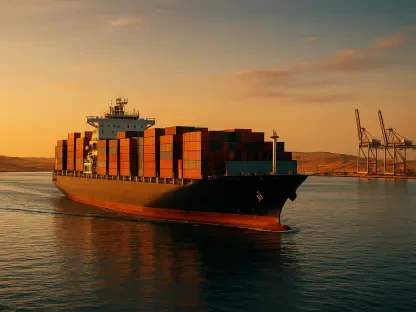
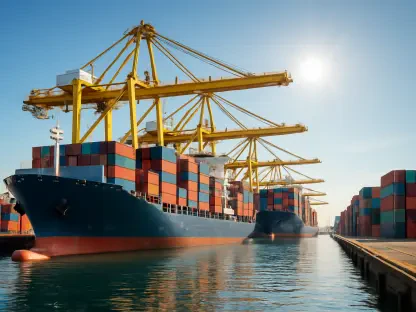
As global commerce restructures, logistics providers must interpret market signals to anticipate where freight will flow next. The traditional east-west routes are being supplemented by new corridors that reflect emerging manufacturing hubs and changing consumer bases. Adapting to these new geometries is essential for maintaining a global presence.
Interpreting these signals requires a global view that accounts for both economic data and physical constraints. Companies that can predict the rise of a new trade lane can secure capacity before prices skyrocket. This foresight allows for the construction of a more stable and cost-effective international shipping strategy.
Adapting to the Digital Infrastructure Boom
The surge in semiconductor and networking equipment shipments requires specialized connectivity and strategic infrastructure to handle high-value, sensitive goods. These items are often the lifeblood of other industries, making their timely delivery a matter of global importance. Logistics networks must be equipped with climate-controlled and high-security environments to protect these assets.
Strategic infrastructure investment must follow the path of digital expansion to ensure that the hardware powering the world reaches its destination. This specialized handling is no longer a niche service but a core requirement of modern trade. Connectivity ensures that the status of these critical shipments is known at every moment.
Aligning with Shifting Geopolitical Alliances
Logistics strategies must remain agile to accommodate the decline in traditional trade routes and the emergence of new manufacturing hubs across the globe. As alliances shift, the regulatory landscape follows, requiring a deep understanding of new trade agreements and tariffs. Staying aligned with these shifts prevents costly delays and legal complications.
New hubs often lack the mature infrastructure of older ports, necessitating a more creative and flexible logistics approach. By aligning with these shifts early, providers can help shape the development of these emerging routes. This proactive engagement turns geopolitical volatility into a series of opportunities for expansion and partnership.
3. Strengthening Regional Competitiveness Through Localized Intelligence
Regional integration, particularly in hubs like Mexico, has become a cornerstone of the new global trade landscape. Localized intelligence allows for a more nuanced approach to logistics that accounts for specific regional challenges and advantages. Strengthening these hubs creates a more resilient global network by diversifying points of entry.
Using intelligence to optimize regional hubs ensures that they can handle the increased volume resulting from nearshoring trends. This focus on regionality reduces the distance between production and consumption, lowering costs and carbon footprints. Competitiveness is built on the ability to master these local complexities at scale.
Capitalizing on Geographic Proximity and Industrial Bases
Integrating AI into cross-border operations is no longer just a technical upgrade; it is a fundamental requirement for maintaining regional competitiveness. Proximity to major markets is only an advantage if the border crossings are efficient and predictable. AI helps manage the flow of documentation and vehicle inspections to keep goods moving.
Industrial bases that are tightly integrated with their logistics partners can achieve a level of synchronized production that was previously impossible. This proximity allows for just-in-time manufacturing to operate with a much higher safety margin. The result is a more responsive industrial ecosystem that can pivot based on real-time demand.
Enriching Operational Judgment with Precise Data
Using advanced analytics allows teams to navigate complex customs processes and last-mile delivery challenges with greater precision and speed. Precise data acts as a force multiplier for the experience of logistics professionals on the ground. It removes the guesswork from difficult decisions and provides a factual basis for change.
Operational judgment is enhanced when staff members have access to predictive tools that highlight potential points of failure. This synergy between human intuition and machine precision leads to a more robust and error-free operation. Data provides the clarity needed to navigate the final miles of delivery where complexity is highest.
4. Taming the Chaos of Reverse Logistics
Managing returns has transformed from a marginal concern into a structural component of the supply chain, requiring sophisticated intervention. The volume of returned goods can often paralyze a network that was only designed for one-way flow. Taming this chaos requires a dedicated strategy that treats returns as an opportunity for recovery.
Sophisticated systems are needed to handle the variety of conditions and destinations associated with returned merchandise. By applying the same level of intelligence to the return loop as the forward loop, companies can regain control of their inventory. This efficiency reduces the environmental and financial costs associated with waste and stagnation.
Recovering Value Through Automated Classification
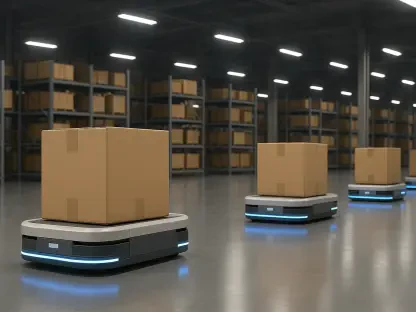
AI helps businesses prioritize and route returned merchandise efficiently, helping to recover costs in a market where returns reach hundreds of billions of dollars. Automated classification systems can quickly determine if an item should be restocked, refurbished, or recycled. This speed is critical for recapturing the value of items with short lifecycles.
Recovering value requires a granular understanding of the condition and location of every returned unit. AI-driven systems provide the visibility needed to make these decisions at scale without manual inspection. This automation turns a logistical headache into a streamlined process that supports the circular economy.
Transforming Friction into Customer Trust
A seamless return process, powered by AI-driven visibility, serves as a primary differentiator and builds long-term loyalty in the e-commerce era. When a customer knows they can return an item without hassle, they are more likely to make a purchase in the first place. This transparency turns a negative experience into a positive brand touchpoint.
Visibility into the return status keeps the customer informed and reduces the burden on customer service teams. Friction is eliminated when the system can automatically initiate refunds or exchanges based on the movement of the package. Trust is built on this foundation of reliability and ease of use.
Key Takeaways for Building an Action-Oriented Logistics Network
- Prioritize Execution: Shift focus from simply collecting data to making faster, more accurate operational decisions that affect the physical movement of goods.
- Interpret Global Signals: Monitor shifts in manufacturing and digital infrastructure continuously to stay ahead of trade flow changes and emerging markets.
- Localization is Key: Integrate technology into the specific physical and regulatory realities of regional hubs to ensure that global strategies work on the ground.
- Master the Return Loop: Treat reverse logistics as a core competency rather than an afterthought to recover value and improve customer retention.
- Synergize Talent and Tech: Ensure that AI tools are supported by skilled teams and a culture of continuous adaptation to maximize the impact of technology.
The Broader Impact: Scaling Intelligence Across Global Industries
The lessons learned from AI integration in logistics apply to any industry facing high volatility and complex distribution needs. Future developments will likely focus on disciplined anticipation, where technological investments are judged strictly by how they improve the customer experience. As industries move from focusing on volume to focusing on agility, the challenge will be maintaining a human-centric approach.
Scaling this intelligence requires a standardized way of communicating data across different sectors and borders. When the manufacturing floor speaks the same language as the delivery truck, the entire economy gains efficiency. The broader impact is a more synchronized world where resources are used more effectively and waste is minimized through better coordination.
Conclusion: Embracing Disciplined Anticipation to Deliver Certainty
The transition from data to action marked a holistic overhaul of how supply chains operated during this transformative period. Organizations moved beyond the hype of technological trends and focused on purpose-driven implementation that yielded measurable results. By optimizing regional hubs and mastering the complexities of reverse logistics, businesses solidified their positions in a competitive market.
Teams focused on execution ensured that AI became the backbone of a resilient and modern logistics network. The final goal was reached when proactive intelligence allowed companies to deliver certainty to the end consumer, regardless of external disruptions. This evolution represented a shift from simply moving packages to providing the reliable connection that powered global commerce.