
By banning the use of independent subcontractors, the Delivery Protection Act would fundamentally reshape how packages travel from local distribution hubs to consumer doorsteps in New York. This bold legislative proposal, spearheaded by Council Member Tiffany Cabán with significant backing from Mayor Zohran Mamdani, seeks to dismantle the existing third-party delivery model. Currently, massive logistics enterprises rely on a web of smaller entities to manage the final, most complex stage of shipping. By targeting this “last-mile” delivery phase, the Act aims to force a total transformation of the labor structure within the city’s borders. Proponents argue that the current system allows large corporations to evade responsibility for the safety and welfare of the people who represent their brand on the streets. However, critics suggest that this is an unprecedented expansion of municipal power over private commerce that could destabilize the city’s economy and lead to a reduction in service efficiency across all five boroughs.
Accountability and the Logistics Safety Debate
The Case for Direct Corporate Responsibility
Advocates for the Delivery Protection Act contend that the widespread use of independent contractors creates a dangerous lack of oversight. Under the current Delivery Service Partner framework, major firms can distance themselves from the legal and financial liabilities that arise from traffic accidents and on-the-job injuries. By delegating the delivery tasks to smaller, third-party businesses, these massive corporations supposedly prioritize rapid fulfillment and high package volumes over the safety of the public and the workers themselves. The legislative intent behind the Act is to compel these giants to take full, direct ownership of every aspect of the delivery process. In theory, having direct legal exposure would provide a powerful financial incentive for companies to implement more rigorous training programs and enforce higher safety standards. This shift is seen by supporters as a necessary step to ensure that public safety is not sacrificed for corporate efficiency.
A primary concern for city officials is the high rate of staff turnover often seen within these subcontracted delivery teams. The rapid pace of the logistics industry combined with the pressure to meet strict delivery quotas can lead to a workforce that is frequently in flux, potentially resulting in less experienced drivers navigating the dense and dangerous streets of Manhattan. Supporters of the Act believe that transitioning these roles into direct employment positions would foster a more stable and professional workforce. They argue that direct employees are more likely to receive comprehensive benefits and long-term career paths, which in turn reduces turnover and improves institutional knowledge regarding safety protocols. By eliminating the buffer provided by third-party contractors, the city hopes to create a transparent system where corporate leadership is held directly accountable for the conduct and safety performance of every driver operating on the city streets.
Evaluating Safety Metrics and Technology
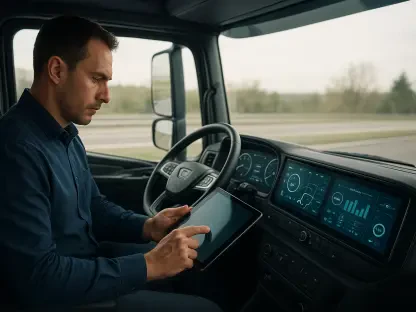
Industry leaders have countered these arguments by pointing to the substantial investments already made in safety technology and driver training. For instance, Amazon has reported spending over $12 billion across its global operations to develop advanced safety features, including AI-powered camera systems and specialized training facilities for its delivery partners. These technological advancements are designed to provide real-time feedback to drivers, identifying risky behaviors such as distracted driving or abrupt braking before they lead to accidents. Companies argue that the subcontracting model actually allows for localized expertise and management while benefiting from the massive technological resources of a parent corporation. They suggest that the documented decrease in accident rates over the last few years is a direct result of these investments rather than employment status. Forcing a change in the legal structure of the workforce, they claim, would not necessarily improve safety.
Critics of the Act also point to what they describe as misleading data used to justify the new regulations. While supporters often cite injury rates that are higher than the average for all private sectors, industry experts note that these figures are actually consistent with national averages for the courier and delivery industry as a whole. They argue that the physical nature of logistics work inherently carries higher risks than desk-based sectors, regardless of whether the worker is a direct employee or a contractor for a third party. Furthermore, many independent delivery businesses have developed their own safety cultures and internal protocols that are tailored to the specific neighborhoods they serve. By painting all subcontractors with a single brush of negligence, the legislation may ignore the success of many local entrepreneurs who have maintained excellent safety records while operating under the current model. This data discrepancy remains a major point of contention in the legislative debate.
Economic Realities and the Future of Logistics
Beyond the immediate concerns of safety and liability, the Delivery Protection Act is widely viewed as a strategic tool for organized labor. Groups such as the Teamsters have been vocal supporters, as the current decentralized model of delivery makes it exceptionally difficult to organize workers into a single bargaining unit. By mandating that thousands of drivers be classified as employees of a few major firms, the Act would effectively consolidate the workforce, making unionization efforts much more straightforward. However, this approach faces a significant hurdle in the form of federal preemption. The National Labor Relations Act was established to provide a uniform code for labor relations across the country, often preventing local governments from intervening in private employment structures to favor specific labor outcomes. Legal experts suggest that New York City may be overstepping its bounds, potentially leading to lengthy and expensive court battles that could stall the delivery industry.
Stakeholders eventually recognized that the path forward required balancing innovation with worker protections. Officials analyzed the potential economic fallout, including the risk of losing 5,000 jobs and the possible closure of 40 small, minority-owned businesses that currently serve as delivery partners. To mitigate these risks, planners explored alternative frameworks that allowed for enhanced corporate accountability without entirely outlawing the subcontractor model. Moving forward, the city prioritized the implementation of standardized safety audits and mandatory insurance minimums for all delivery entities. This approach encouraged carriers to invest further in automation and safety technology while preserving the diverse landscape of local delivery entrepreneurs. By focusing on measurable safety outcomes rather than rigid employment definitions, New York sought to maintain its status as a logistics hub while protecting its residents. The debate highlighted the need for flexible regulations that adapted to the evolving digital economy.