
Beyond simple historical sales reports, advanced algorithms now incorporate external variables like weather events and economic trends to forecast future demand accurately. This analytical prowess marks a departure from the traditional, reactive nature of supply chain management, replacing guesswork with a data-driven blueprint for daily operations. As logistics networks face unprecedented pressure from fluctuating consumer behaviors and persistent labor shortages, the focus has shifted toward creating a more resilient ecosystem. Rather than viewing technology as a replacement for human presence, modern facilities are leveraging artificial intelligence as a sophisticated support mechanism. This collaborative model allows human workers to navigate complex environments with greater ease, as systems handle the dense mathematical processing required to keep inventory moving smoothly. By blending technological precision with human adaptability, the industry is building a workspace that prioritizes both operational output and the physical well-being of the staff.
Maximizing Efficiency Through Intelligent Layouts and Sequencing
One of the most persistent drains on warehouse productivity remains travel time, which is the cumulative hours employees spend traversing vast floor spaces to retrieve or stow specific items. Artificial intelligence addresses this inefficiency through advanced slotting techniques, which use machine learning to analyze historical order patterns and seasonal trends dynamically. Instead of a static storage plan, the system suggests a strategic inventory layout that positions high-demand products near shipping docks while placing slower-moving stock in the periphery. This constant optimization ensures that the physical structure of the warehouse evolves alongside consumer demand, significantly reducing the physical strain on workers who no longer need to walk unnecessary miles during their shifts. By streamlining these movements, companies can achieve higher throughput without increasing the individual workload, making the environment more efficient for every team member involved.
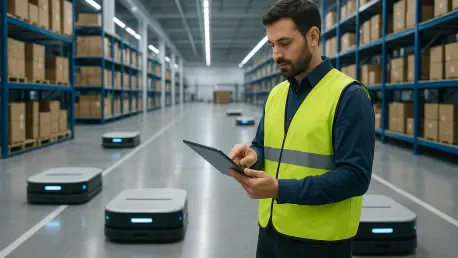
Beyond physical layout optimization, AI-driven systems now streamline daily operations by automatically prioritizing tasks based on real-time variables rather than manual oversight. These intelligent platforms consider critical factors such as shipping deadlines, current worker proximity, and specific equipment availability to assign tasks via handheld or wearable devices. This method removes the inherent guesswork from a shift, allowing for a seamless flow of activities that keeps the facility running like a well-oiled machine. For supervisors, this transition is particularly transformative, as it liberates them from the clerical burdens of manual scheduling and task allocation. With the software managing the logistical minutiae, leadership can pivot toward complex problem-solving, team mentorship, and long-term strategic planning. This shift empowers the entire workforce to focus on high-value contributions, ensuring that human talent is utilized for decision-making rather than simple coordination.
Strengthening Operations With Predictive Maintenance and Accurate Logistics
Equipment downtime serves as a major source of frustration and lost revenue, often causing unexpected bottlenecks that ripple throughout the entire supply chain. To combat this, AI-powered predictive maintenance utilizes sophisticated sensors to monitor the health of conveyors, forklifts, and automated sorting systems by tracking vibration, noise, and temperature patterns. Unlike traditional maintenance schedules that occur at set intervals regardless of actual wear, these systems identify subtle anomalies that precede a mechanical failure. This proactive approach allows maintenance teams to address potential issues during planned breaks or off-hours, ensuring that the facility remains operational during peak production times. By preventing emergency breakdowns, the technology creates a more stable and predictable environment for the staff, who can rely on their equipment to function correctly throughout their shift without the stress of sudden, unscheduled interruptions.
The integration of external data points, ranging from regional buying habits to broader economic shifts, allows for a level of demand forecasting that was previously unattainable. When managers can predict order spikes with high accuracy, they can plan staffing levels more effectively, ensuring that the warehouse is neither understaffed during rushes nor overstaffed during lulls. For the employees, this clarity translates into more predictable work schedules and a significant reduction in the need for sudden, stressful overtime. When a facility is prepared for fluctuations before they occur, the entire atmosphere becomes more controlled and less reactive. This level of preparation also supports better inventory management, as goods are stocked in anticipation of need, preventing the chaotic scrambling that often accompanies unexpected surges. Ultimately, predictive analytics transform the warehouse from a place of constant reaction into a proactive hub that values the time and energy of its workforce.
Integrating Computer Vision for Enhanced Workplace Safety Standards
Safety remains the fundamental priority in high-volume logistics environments, and modern artificial intelligence acts as a continuous, vigilant observer through the application of computer vision. These sophisticated systems utilize existing camera networks to scan the warehouse floor for potential hazards, such as blocked fire aisles, improperly stacked pallets, or the unsafe operation of heavy machinery. By providing real-time alerts to both workers and supervisors, the technology serves as a critical safety net that functions even when human attention might be diverted by the pressures of a busy shift. This constant monitoring helps maintain high safety standards during periods of extreme volume or physical fatigue, reducing the likelihood of accidents and injuries. By identifying risks before they escalate into incidents, computer vision fosters a culture of safety where technology and human workers collaborate to ensure that everyone returns home safely at the end of every business day.
The most successful integration of artificial intelligence requires a human-centric philosophy that views technology as an evolution of traditional tools rather than a competitor. While algorithms excel at processing massive datasets and identifying microscopic patterns, human judgment remains completely irreplaceable for handling exceptions and training new staff. This symbiotic relationship creates a more resilient and predictable work environment where technology handles the repetitive, data-heavy lifting while humans focus on nuanced operations. The modern warehouse worker is no longer defined by manual labor alone but has instead transitioned into the role of a high-tech operator who manages sophisticated digital systems. This elevation of the workforce ensures that the strategic use of technology adds value to the human experience, making the job more engaging and less physically taxing. As these technologies continue to mature, the focus remains on empowering people to achieve more through the support of intelligent, collaborative platforms.
Implementing Future-Ready Strategies for Sustainable Workforce Growth
To fully realize the benefits of a collaborative warehouse environment, organizations must prioritize the interoperability of their digital systems and the continuous upskilling of their personnel. Investing in platforms that can communicate across different departments, from procurement to final shipping, ensures that data flows without friction and provides a single version of truth for the entire team. Managers should focus on identifying specific operational bottlenecks where AI can provide the most immediate relief, such as inventory accuracy or dock door scheduling, rather than attempting a total overhaul overnight. Furthermore, fostering a culture of transparency regarding how these tools are used helps alleviate concerns about job security and encourages workers to engage with the technology as a partner. By providing clear training pathways, companies can help their employees transition into roles that focus on system oversight and strategic problem-solving, ensuring that the workforce remains agile and capable of handling the complexities of modern logistics.
The transition toward an AI-supported logistics model redefined the relationship between human labor and automation by emphasizing mutual support over competition. Leaders in the sector recognized that the most effective way to address the challenges of a global economy was to equip their staff with tools that enhanced their natural problem-solving abilities. This approach effectively reduced the physical and mental strain on employees while simultaneously boosting the operational throughput of facilities across the country. As the industry moved forward, the integration of predictive analytics and computer vision became the standard for safety and efficiency, proving that technological advancement functioned best when it prioritized the human element. The successful implementation of these collaborative systems provided a blueprint for other sectors, demonstrating that a resilient supply chain was built on the foundation of empowered workers. Ultimately, the adoption of intelligent tech solidified the warehouse as a high-tech center of innovation that valued precision, safety, and sustainable growth.