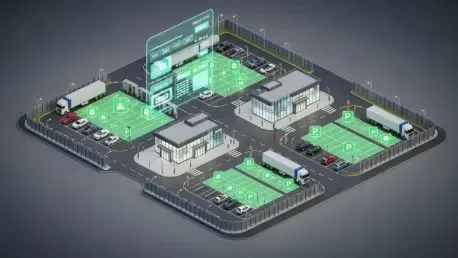

Recent studies across the United Kingdom indicate that thousands of commercial drivers and travelers are facing significant risks due to outdated security measures at major roadside service areas. As logistics networks become more complex and heavy-duty vehicle traffic increases, the physical infrastructure supporting these routes has largely failed to keep pace with modern safety standards. Many service stations remain poorly lit, lack adequate surveillance, and offer minimal protection for drivers resting during long-haul trips. This neglect not only compromises the well-being of individuals but also threatens the integrity of supply chains that rely on secure stops. Without a comprehensive overhaul of these facilities, the gap between advanced vehicle safety and deficient roadside environments will continue to widen. Addressing these vulnerabilities requires a multi-faceted approach involving both public policy and private investment to ensure that every stop on the national highway network provides a sanctuary for all users.
Strengthening Physical Security Protocols
Security Implementation: The Role of Surveillance
The integration of high-definition surveillance systems equipped with artificial intelligence represents a necessary evolution for roadside service security. Traditional closed-circuit television often fails because it relies on passive recording that security personnel only review after an incident has occurred. Modern AI-driven cameras can actively monitor parking areas for suspicious behavior, such as unauthorized individuals loitering near cargo trailers or attempts to tamper with vehicle locks. These systems use pattern recognition to alert local security teams or law enforcement in real time, significantly reducing response times. Furthermore, the implementation of automatic number plate recognition technology at both entry and exit points ensures that every vehicle is logged, creating a digital audit trail that deters criminal activity. By deploying these smart sensors, facility operators can provide a higher level of protection that addresses the sophisticated methods used by modern cargo thieves.
Environmental Design: Enhancing Visibility
Beyond digital surveillance, the physical layout and lighting of rest areas play a critical role in deterring crime and ensuring pedestrian safety. Many existing facilities suffer from “dark spots” where inadequate illumination creates opportunities for illicit activities. Upgrading to high-output LED lighting systems that simulate daylight conditions can transform the atmosphere of a service station, making it less attractive to criminals while improving the navigation experience for tired drivers. Incorporating the principles of Crime Prevention Through Environmental Design, such as maintaining clear sightlines and using natural barriers, further strengthens the security perimeter without creating a hostile environment. Fencing should be reinforced with anti-climb materials, and pedestrian walkways must be clearly demarcated and brightly lit to prevent accidents between heavy machinery and travelers. These structural improvements are essential for fostering a sense of safety and professional care.
Technology and Modernization Strategies
Digital Coordination: Smart Parking Solutions
The logistical pressure on drivers often leads them to park in unauthorized or unsafe locations because they cannot find available space at official service stations. Implementing smart parking solutions that provide real-time data on bay availability through mobile applications and highway signage can alleviate this dangerous trend. Sensors embedded in the pavement or overhead cameras can track occupancy rates and transmit this information to drivers miles before they reach the facility. This allows for better trip planning and ensures that drivers are not forced to exceed their legal driving hours or park on hard shoulders when facilities are full. Currently, the goal for the industry is a fully integrated network where booking a secure parking spot is as seamless as reserving a hotel room. This digital coordination reduces congestion within the facilities themselves, ensuring that traffic flows smoothly and emergency vehicles always have clear access to the site during a crisis.
Strategic Roadmaps: Improving National Infrastructure
The industry recognized that a fragmented approach to roadside security was no longer sustainable given the rising value of cargo and the increasing vulnerability of drivers. Stakeholders coordinated efforts to establish a national minimum safety standard that mandated specific technology tiers for all franchised service areas. Legislative bodies moved to provide tax incentives for operators who invested in advanced biometric access controls and secure perimeter fencing. Local authorities integrated roadside safety data into broader regional transport planning, ensuring that new developments prioritized the safety of long-haul operators. These actions transformed the national highway network into a more resilient corridor where safety was built into the very foundation of the infrastructure. Moving forward, the focus shifted toward continuous audits and the adoption of autonomous monitoring drones to oversee large-scale parking lots. This proactive stance ensured that the UK remained a leader in logistics safety.