
The industrial landscape has fundamentally moved past the era where a simple metal shell sufficed for storage, evolving instead into a complex network of “security-first” assets that underpin the very stability of global commerce. As consumer expectations for rapid delivery collide with a rising tide of cargo security threats, the demand for Grade A distribution centers has shifted from a mere preference to a non-negotiable requirement. These modern hubs prioritize physical protection and specialized operational efficiency over mere square footage. This analysis explores how the rising demand for sophisticated building envelopes and advanced entrance technologies is redefining the strategic role of infrastructure within the supply chain.
The Shift Toward Specialized Industrial Infrastructure
Market Demand for High-Specification Grade A Assets
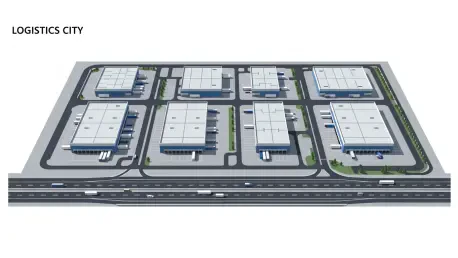
The logistics sector is witnessing a decisive migration away from generic warehousing toward “Logistics City” concepts that integrate “Secured by Design” certifications as a baseline standard. Modern developers are no longer just building roofs; they are constructing robust building envelopes that act as active deterrents against unauthorized access and environmental degradation. Statistics indicate that strategic location remains the primary driver of value, with facilities situated near major arteries like the M1 allowing operators to reach up to 87% of the population within a standard 4.5-hour drive time.
Moreover, the configuration of these spaces has become increasingly specialized to accommodate a diversifying fleet of transport vehicles. Developers now favor a strategic mix of standard and tall loading bays, a move that future-proofs the asset against changing vehicle dimensions. By incorporating these flexible layouts, facilities can manage a wider variety of logistical operations without requiring expensive structural modifications. This trend reflects a broader recognition that the physical layout of a hub is just as important as its digital management systems.
Real-World Application: Logistics City Milton Keynes
The Logistics City Milton Keynes project, recently finalized by Kier Property, serves as a flagship for this high-performance design philosophy. The facility integrates sophisticated entrance systems featuring dual cylinder locks and internal key operations that provide a significant layer of security without hindering the rapid movement of goods. Such features were designed specifically to prevent unauthorized entry, which has become a major concern for high-value logistics operations in the current market environment.
To address the rigorous demands of the pharmaceutical and food sectors, the site utilized inflatable dock shelters that create a nearly airtight thermal seal around vehicles. This application proved essential for maintaining a strict cold chain and reducing energy consumption, which represents a major operational cost for climate-controlled logistics. By bridging the gap between security and sustainability, these specific technologies demonstrated how a building could actively contribute to the integrity of the products it housed.
Industry Perspectives on Asset Protection and Efficiency
Industry experts suggest that versatility is the defining characteristic of a successful modern distribution hub. The ability to pivot between different operational modes, from traditional retail fulfillment to specialized medical storage, without major structural overhauls separates a Grade A asset from the rest of the market. This versatility is achieved through a combination of modular design and the installation of high-specification hardware that supports multiple use cases.
There is a growing consensus that integrated safety features, such as telescopic lip dock levelers and synchronized lighting systems, are now essential components of any high-speed facility. These systems mitigate the risks associated with the rapid loading and unloading cycles that define modern commerce. Professional designers emphasize that a facility should be viewed as a specialized tool for supply chain optimization, where every architectural choice serves to enhance the speed and safety of the movement of goods.
Future Outlook: Resilient Hubs and Environmental Adaptation
The focus of the logistics industry is shifting toward a total envelope security model where physical infrastructure and digital building technology merge into a single resilient system. This approach aims to protect against both physical breaches and environmental fluctuations that could compromise sensitive inventory. The industry is seeing a wider adoption of automated thermal sealing and biometric access controls as standard features, even in smaller regional hubs.
However, the transition to these highly engineered facilities presents a significant hurdle in the form of higher initial capital expenditures. Developers must balance the need for advanced entrance systems and specialized maintenance against the pressure for immediate returns. Despite these costs, the most successful hubs will be those that provide a resilient model capable of balancing strategic connectivity with internal technological sophistication.
Conclusion: The New Standard for Distribution Excellence
The transition toward sophisticated logistics hubs established a new benchmark for how global supply chains operated by prioritizing security and thermal efficiency. Strategic developers realized that the value of an asset was no longer tied to its size alone but to its ability to protect product integrity throughout the entire distribution cycle. This evolution pushed the industry to consider future-proofing through versatile design and advanced hardware as the only viable path forward in a volatile market. Ultimately, the industry moved toward a standard where a facility acted as a critical, high-performance tool that optimized the speed and safety of the entire supply chain. Stakeholders who invested in these robust infrastructures secured a significant competitive advantage by reducing operational risk and enhancing long-term resilience.