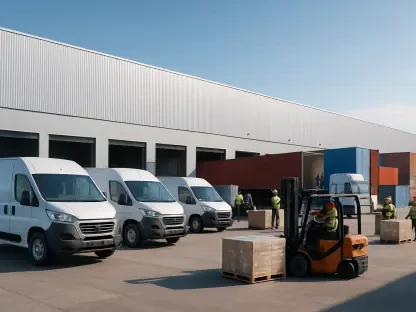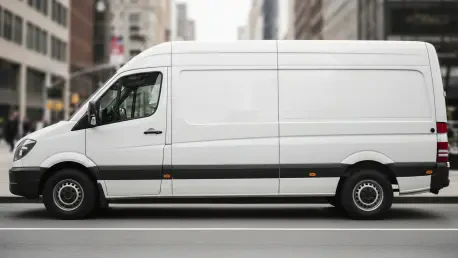

The sidewalk in Midtown Manhattan has become a high-stakes obstacle course where pedestrians, cyclists, and an endless stream of delivery vans compete for every square inch of available asphalt. This transformation is the direct result of a massive surge in last-mile logistics that has fundamentally altered the city’s traffic patterns and its legal landscape. In previous cycles, a truck accident usually involved a clearly marked corporate vehicle belonging to a well-known logistics giant. Today, however, the streets are crowded with a mix of branded vans, unmarked sprinters, and personal vehicles operating under various digital platforms. This explosion of delivery activity has led to a significant increase in collisions, many of which involve complex questions of liability that the legal system is still struggling to address. As parcel volume continues to climb through 2026, the sheer number of vehicles on the road has created an environment where traditional traffic safety measures are being tested to their absolute limits every single day.
1. The Logistics Evolution: Urban Growth and Contractor Models
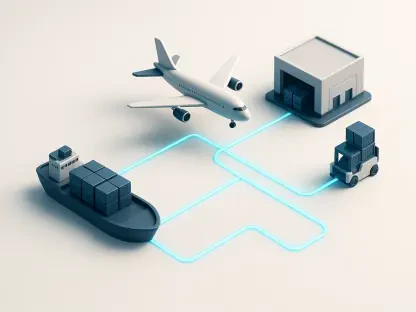
The rapid expansion of e-commerce in the New York metropolitan area has reached unprecedented levels, with market projections showing a sustained upward trajectory from 2026 to 2028. This growth is driven by a massive expansion in same-day grocery and food delivery services that have become staples of urban life. Logistics carriers have been forced to expand their fleets at a breakneck pace, often prioritizing operational speed over traditional efficiency models. According to statistics from NYC’s Vision Zero initiative, commercial vehicle incidents in borough centers have become a critical focus area for city planners. The sheer density of these vehicles, combined with the pressure to meet tight delivery windows, has created a volatile environment for both drivers and pedestrians. This shift is not merely about more trucks on the road; it represents a fundamental change in how goods move through the city and the inherent risks associated with such a high-velocity supply chain.
Beneath the surface of these branded delivery vans lies a complex web of employment relationships that often complicates legal accountability following an accident. Major platform brands like Amazon frequently utilize Delivery Service Partners (DSPs), which are independent businesses that manage the actual drivers and vehicles. Similarly, FedEx often relies on Independent Service Providers (ISPs), while the food delivery sector is almost entirely powered by 1099 independent contractors. This fragmented model creates significant hurdles for legal professionals attempting to identify the responsible parties for insurance claims. Determining whether a driver was an employee or a contractor is a pivotal step that dictates which insurance policy applies and which corporate entity holds liability. These distinctions are often hidden behind layers of subcontracting agreements, making it difficult for victims to pinpoint who exactly was in control of the vehicle at the moment of impact.
2. Practical Realities: Evolving Legal Proceedings and Safety Protocols
Contemporary injury claims involving delivery vehicles differ significantly from the straightforward litigation of the past because they involve a much higher volume of stakeholders. Modern cases frequently name a long list of defendants, ranging from the individual driver and the immediate subcontractor to the parent brand and the vehicle owner. This layering of entities often leads to a rise in cross-claims, where various companies and their insurers attempt to shift the blame onto one another to mitigate their own financial exposure. Furthermore, the scope of required documentation has expanded to include sophisticated digital logs, real-time route data, and platform telemetry that was not standard technology in previous years. These digital footprints provide a more accurate picture of driver behavior, such as speeding or distracted driving, but they also require specialized legal expertise to interpret and present effectively during a trial or settlement negotiation.
To navigate this landscape, victims followed a rigorous protocol that prioritized immediate digital and physical evidence collection. They photographed the scene extensively, capturing the specific contractor names and driver identification that often disappeared shortly after an incident. This approach facilitated the acquisition of police records and ensured that no unauthorized statements reached insurance adjusters before legal review. By initiating these actions within a narrow window, claimants protected the telemetry data and route logs that proved vital for proving negligence. This proactive methodology became the standard for resolving complex logistics claims, as it addressed the structural shifts in the city’s transport network. Future safety initiatives and legal strategies relied on these gathered insights to hold massive delivery platforms accountable for the actions of their decentralized workforce. Ultimately, the successful resolution of these cases required a move away from passive observation toward a comprehensive, data-driven investigation of the entire delivery chain.