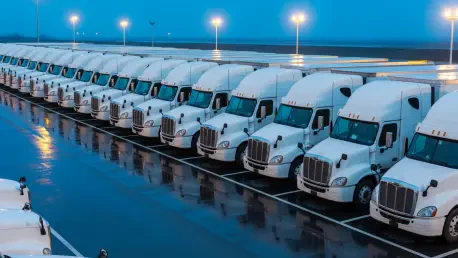

As dawn breaks over the sprawling network of Mexican highways on June 24, the roar of thousands of idling truck engines will signal a historic confrontation between the nation’s transport sector and the federal government. The Mexican Alliance of Carrier Organizations, known as AMOTAC, is prepared to launch a massive mobilization across all 32 states to voice their growing frustration with a systemic breakdown in road safety and administrative support. Drivers and transport operators are gathering to highlight how a lack of effective oversight is currently crippling their livelihoods and endangering their lives. This large-scale protest serves as a direct appeal to President Claudia Sheinbaum’s administration to address the rising tide of violence on national roads. For many small-scale carriers, the current situation has reached a breaking point where the costs of operating far outweigh the legal protections provided by the state. This movement aims to force a serious conversation about professional dignity and the need for a transparent regulatory framework.
Addressing Safety and Bureaucratic Failure
Escalating Violence on National Highways
Highway security remains the primary concern for the organization, as operators describe the current era as one of the most dangerous periods for hauling cargo in recent history. While official figures show a slight dip in theft reports in some areas, the actual experience on the road tells a story of persistent threats and a lack of protection from the National Guard. These central logistics corridors have become hotspots for criminal activity, leaving drivers vulnerable and demanding more than just empty promises of increased surveillance and operational support. The sense of lawlessness on major routes has created a climate of fear that discourages new drivers from entering the profession and forces veterans to consider early retirement. Without a visible and proactive security presence, the cargo that feeds and fuels the nation remains at risk of being diverted by criminal groups. The carriers are demanding a comprehensive overhaul of highway policing strategies to ensure that the vital arteries of commerce do not remain under the control of illicit actors.
The Crippling Impact of Administrative Delays
Beyond physical safety, a deepening bureaucratic crisis within the Ministry of Infrastructure, Communications, and Transportation is preventing drivers from operating legally. Massive backlogs in the issuance of federal license plates and licenses have created a legal limbo, forcing many to rely on temporary permits that fail to offer long-term stability. This administrative paralysis has resulted in a steady decline in document processing since early 2026, leading to unfair fines and preventing the necessary modernization of the national transport fleet. Operators find themselves caught in a cycle of inefficiency where they cannot renew their credentials, yet they are penalized by the same government for not having updated paperwork. The lack of digital transition and the reliance on outdated physical processing centers have only added to the frustration of a sector that is trying to keep pace with modern trade demands. Transport leaders are calling for an immediate streamlining of these services to allow for a smoother flow of documented labor and equipment across borders.
Economic Protections and Regulatory Reforms
Rising Costs and Predatory Fee Structures
Economic survival is a major theme of the protest, as small carriers struggle against what they call abusive operating costs that eat away at their razor-thin margins. Many operators are being hit with exorbitant towing fees that ignore official federal rates, as well as municipal permits that essentially tax the delivery of essential groceries and basic goods into cities. These financial burdens, combined with the rising cost of fuel and maintenance, are squeezing the profit margins of independent transporters who are vital to the national supply chain. The lack of standardized pricing for ancillary services like recovery and storage has created a predatory environment where drivers are at the mercy of private contractors. In many instances, the cost of retrieving a vehicle after an accident or breakdown can exceed the value of the freight being carried. This financial instability prevents small businesses from investing in newer, cleaner technologies and safer equipment. The carriers are demanding that the government enforce existing regulations and introduce new measures.
Demanding Legal Fairness and Accountability
The mobilization ultimately sought to address a regulatory overreach that penalized transporters for issues entirely beyond their operational control. Drivers demanded an end to the harassment and extortion they faced at federal and military checkpoints, calling for a return to professional dignity and legal fairness. In response to these challenges, the movement proposed a roadmap for future collaboration between the industry and the ministry. This plan emphasized the digitization of licensing processes to eliminate the bureaucratic bottlenecks that had previously left thousands of drivers in legal limbo. By focusing on transparent oversight and the elimination of unfair municipal taxes, the proposed reforms aimed to stabilize the national logistics network. Authorities recognized that the long-term health of the economy depended on a resilient and respected transport sector. The protest served as a catalyst for a more balanced relationship where security and efficiency became the cornerstones of national policy, ensuring that the movement of goods remained safe.