
The aging arteries of the American rail network are undergoing a profound transformation as domestic manufacturing hubs finally reach the scale necessary to replace outdated equipment with high-performance rolling stock. This shift is most visible in Salt Lake City, Utah, where a decade of steady growth has culminated in a massive expansion of localized industrial capabilities. By doubling its physical footprint, Stadler Rail has moved beyond simple assembly to become a primary engine for North American transit modernization. This transition represents more than just an increase in floor space; it marks a strategic pivot toward self-sufficiency in a sector that has long relied on international supply chains. As transit agencies face mounting pressure to improve reliability, the availability of locally produced, technologically advanced trains has become a critical factor. The Utah facility stands as a testament to the viability of high-tech manufacturing in the heartland, providing the infrastructure needed for a more efficient transit future.
Industrial Integration: Scaling Domestic Manufacturing Capacity
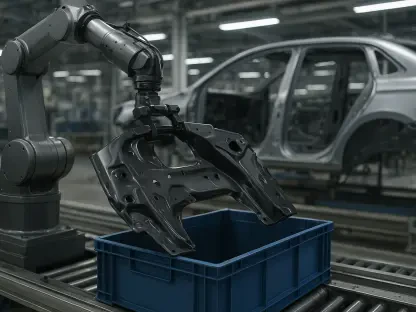
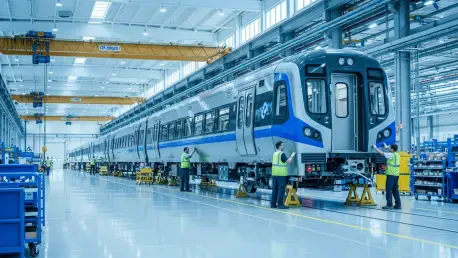
The recent physical expansion of the Utah production site has added approximately 245,000 square feet of specialized space, transforming the facility into a comprehensive industrial ecosystem. This growth included the installation of infrastructure for welding, surface blasting, and complex electrical pre-assembly, allowing the entire lifecycle of train car construction to take place under one roof. Central to this evolution is the addition of a high-precision CNC production hall, a move that signals a significant leap toward vertical integration. Rather than importing critical aluminum panels for train shells from overseas suppliers, the plant now possesses the capacity to manufacture these components on American soil. This approach drastically reduces lead times and minimizes the logistical complexities associated with international shipping. By controlling the production process from raw material to finished product, the facility ensures higher quality control and greater flexibility in meeting the specific needs of diverse urban transit systems.
Beyond technical upgrades, this substantial investment serves as a major catalyst for both the regional economy and the broader manufacturing sector. The facility’s workforce is projected to grow from 750 to over 1,000 employees, creating high-skilled job opportunities that support federal “Made in America” initiatives. These positions are not merely assembly roles; they encompass advanced engineering and intricate systems management, fostering a new generation of rail experts. This commitment to domestic labor ensures that global engineering standards are applied through a local lens, creating a sustainable industrial base capable of supporting transit needs for decades. Furthermore, the expansion strengthens the supply chain by encouraging regional vendors to meet the rigorous demands of modern rail production. This ripple effect bolsters the economic resilience of the area while proving that sophisticated heavy industry can thrive through consistent investment. The focus on local talent remains a cornerstone of the company’s strategy for long-term domestic success.
Strategic Alliances: Navigating Regulatory and Market Demands
Success in the rail sector is rarely achieved in isolation, and this expansion is bolstered by diplomatic and institutional partnerships that bridge the gap between engineering and policy. The collaboration between Swiss leadership and United States federal transit officials has created a stable environment for navigating the complex regulatory landscapes inherent in infrastructure projects. This synergy is essential for delivering large-scale systems that require both extreme precision and robust government backing. Stadler’s influence is already tangible in major metropolitan areas, where the company provides customized rail solutions for diverse agencies such as Caltrain, Metra, and MARTA. By working closely with these regional entities, the manufacturer can tailor its output to the specific geographic and technical demands of each city. Whether it involves high-performance electric commuter trains or regional transit cars, the Salt Lake City facility has become a vital supplier for varied urban environments across the North American continent.
The ability to produce trains domestically allows transit agencies to satisfy strict federal procurement requirements, such as the Buy America Act, which prioritizes American-made components. This compliance is a major advantage for local governments seeking federal funding to modernize aging fleets and expand service capacity. By streamlining the certification process through localized manufacturing, the hub reduces the administrative burden on transit authorities, allowing projects to move from planning to deployment more quickly. Moreover, having a domestic manufacturing center facilitates better maintenance and parts availability, which are crucial for the operational longevity of rail systems. This localized support model ensures that technical issues can be addressed promptly by experts in the same time zone, minimizing downtime for commuters. As more cities revitalize their rail corridors, the presence of a proven domestic manufacturer provides the confidence needed to commit to ambitious, multi-year infrastructure investments.
Technological Evolution: Paving the Way for Sustainable Rail
Looking at the current state of the industry, the expansion aligns perfectly with broader trends such as the push for zero-emission technology and the preparation for international mega-events. As ridership numbers continue to climb, the demand for sustainable travel solutions has moved from a secondary goal to a central requirement for new rolling stock. The development of hydrogen-powered trains and high-speed rail assets is becoming increasingly relevant as the nation seeks to reduce its carbon footprint. Stadler’s increased capacity ensures it remains at the forefront of this evolution, providing the infrastructure necessary to connect a more mobile and environmentally conscious population. The upcoming influx of international visitors for major sporting events also puts a spotlight on the need for efficient, high-capacity transit systems in host cities. Having a domestic production hub capable of delivering state-of-the-art equipment on a tight schedule is a decisive advantage for urban planners preparing for these global gatherings.
The expansion of the Salt Lake City manufacturing hub established a new benchmark for how global technology companies can successfully integrate into the American industrial landscape. By prioritizing vertical integration and local talent development, the project demonstrated that domestic rail production is both economically viable and technologically superior. Future transit strategies should focus on further decentralizing maintenance hubs and expanding the domestic supply chain to include specialized electronics. It was clear that the collaboration between international designers and local workers provided a blueprint for rebuilding national infrastructure without relying solely on imports. For transit agencies, the next step involved leveraging this capacity to accelerate the decommissioning of diesel fleets in favor of battery-electric and hydrogen alternatives. This proactive manufacturing ensured that the United States remained competitive in the shift toward mobility. The success of the Utah facility proved that local production was the path to a modernized transit future.