
When a natural disaster strikes a remote region, the difference between life and death often hinges not on the availability of supplies, but on the speed and efficiency of the supply chain delivering them. Logistics serves as the invisible engine of humanitarianism, ensuring that medicine, food, and shelter reach those in desperate need without delay. However, the complexity of modern delivery often creates bottlenecks that stall vital assistance. DHL Group recently addressed this gap by officially introducing the DHL Academy of Humanitarian Logistics (DAHL), a specialized initiative under its GoHelp corporate citizenship program.
The program transforms professional logistical expertise into a pro bono resource for the nonprofit sector, focusing on practical skills that enhance local readiness. By strengthening the capabilities of regional responders, the initiative ensures that aid does not just arrive but does so with technical precision. This transition from reactive assistance to proactive preparation marks a fundamental shift in how international corporations support global welfare. It recognizes that technical knowledge is as valuable as physical resources during a crisis, allowing organizations of all sizes to access world-class insights.
The Crucial Link Between Efficient Logistics and Saving Lives
The effectiveness of humanitarian aid is inextricably tied to the agility of the networks that transport it across borders and into disaster zones. Traditional aid models often struggle with “last-mile” delivery, where the final leg of the journey becomes a graveyard for essential supplies due to poor coordination. The introduction of specialized training through DAHL provides a solution to these logistical hurdles, ensuring that non-governmental organizations possess the expertise to navigate high-pressure environments. When local responders are empowered with professional tools, the entire response ecosystem becomes more resilient.
Furthermore, this focus on logistical proficiency reduces operational costs for nonprofit sectors, allowing more funds to be directed toward direct relief. Professional warehouse management and streamlined transport protocols minimize the waste of resources and time. By treating humanitarian aid with the same rigor as commercial supply chains, the initiative bridges the gap between private sector efficiency and public sector needs. This strategic alignment ensures that the most vulnerable populations receive help when it is most critical, proving that logistics is indeed the backbone of survival.
Addressing the Challenges of Modern Climate-Related and Social Crises
Modern crises are increasingly defined by climate-related disasters and protracted social instability, requiring a more sophisticated response than traditional models provide. The humanitarian community now emphasizes anticipatory action, moving away from simply reacting after a catastrophe has already occurred. This shift toward locally-owned models allows communities to manage their own supply chains effectively during the initial, most critical hours of an emergency. By preparing before the storm hits, responders can bypass the chaos that typically characterizes the onset of a large-scale disaster.
Moreover, navigating the intricate regulations and customs requirements of different nations requires specialized training that many smaller organizations lack. The DAHL addresses these specific hurdles by providing nonprofits with the tools necessary to navigate modern supply chain hurdles. Ensuring that responders are equipped with these skills before a disaster occurs reduces operational delays and maximizes the impact of every donated dollar. This proactive approach is essential in a world where climate volatility and social unrest are becoming the new norm for global aid operations.
The Three Pillars of the GoHelp Framework: DRT, GARD, and DAHL
The GoHelp framework has evolved over two decades, establishing a robust foundation through three distinct yet interconnected pillars. The Disaster Response Teams (DRT) serve as the first line of action, deploying volunteer logisticians to handle cargo at airports immediately following a disaster. In contrast, the Get Airports Ready for Disaster (GARD) program focuses on infrastructure, preparing airport personnel and local authorities for the surge of traffic that follows a humanitarian crisis. These programs have historically focused on immediate post-disaster logistics and infrastructure preparedness.
The DAHL serves as the third and most essential pillar, shifting the focus from physical infrastructure to long-term human capital. While DRT and GARD handle immediate and structural needs, the academy ensures that the people managing these systems have the institutional knowledge to maintain them. This holistic strategy creates a sustainable ecosystem where professional logistics and humanitarian goals align seamlessly to protect vulnerable populations. By providing these resources free of charge, the program ensures that professional expertise is not a luxury but a shared standard across the humanitarian field.
Measuring Success: From Sub-Saharan Africa Pilots to Global Rollout
Evidence of the program’s effectiveness surfaced during extensive pilot phases across Sub-Saharan Africa, where regional responders face unique logistical constraints. These pilots engaged over 650 participants from more than 80 non-governmental organizations, providing a testing ground for the academy’s curriculum. Feedback was overwhelmingly positive, with 96% of participants reporting that the training significantly enhanced their operational readiness. These results confirmed that a localized approach to training was the most effective way to build sustainable capacity within the region.
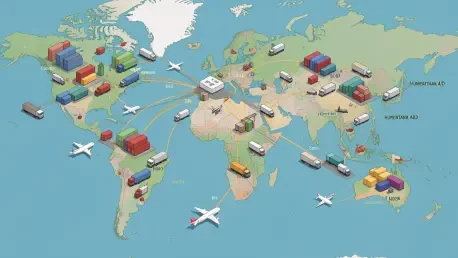
Building on this success, the global rollout is currently expanding throughout 2026 to include key hubs such as Kenya, Nigeria, South Africa, Malawi, and Zambia. By targeting these strategic locations, the initiative strengthens the entire regional network of aid delivery. This expansion demonstrates a commitment to scaling proven solutions, ensuring that world-class logistics insights are accessible to organizations of all sizes. The focus on Africa recognizes the inherent resourcefulness of local responders and provides them with the specialized tools needed to overcome complex logistical landscapes.
Core Competencies for Streamlining Humanitarian Supply Chains
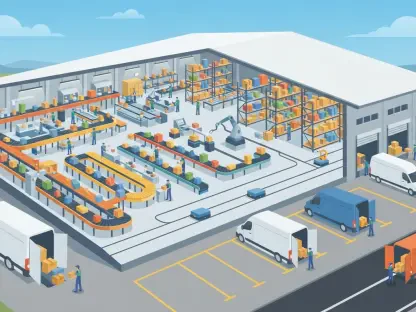
The training curriculum focused on essential disciplines that often determined the success of a mission, such as customs navigation and the handling of dangerous goods. Participants mastered packaging standards and safety protocols, which were vital for maintaining the integrity of sensitive medical supplies. This knowledge transfer was facilitated through a versatile framework consisting of in-person workshops, virtual sessions, and professional warehouse assessments. By offering a variety of learning modules, the program ensured that the training remained accessible to responders regardless of their geographic location or resource level.
Ultimately, the initiative established a new benchmark for corporate social responsibility by prioritizing the professionalization of the humanitarian sector. Future considerations emphasized the need for digital supply chain integration and advanced tracking as the next frontier for local responders. These logistical skills became ingrained in local operations, ensuring that the speed and reliability of aid delivery reached unprecedented levels. This strategic commitment to improving global humanitarian response through specialized knowledge transfer secured a more stable and efficient future for disaster management worldwide.