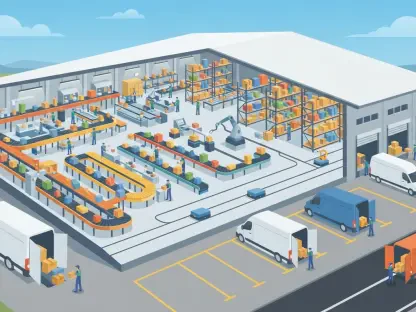

In the high-velocity environment of a modern logistics hub, the sheer kinetic energy of a ten-thousand-pound forklift operating in close proximity to pedestrians presents a constant, high-stakes management challenge. While traditional safety protocols relied heavily on painted floor lines and basic operator training, the complexity of 2026 supply chains demands a more sophisticated, multi-layered defensive strategy to prevent catastrophic collisions. Statistics from recent industrial safety audits indicate that facilities employing a singular safety method often experience higher incident rates compared to those integrating redundant protective systems. A multi-layered approach does not simply add more rules; it creates a fail-safe environment where technology, behavioral science, and physical infrastructure overlap to catch errors before they escalate into injuries. This holistic methodology acknowledges that human error is inevitable, but workplace fatalities are not, provided that multiple independent safeguards are operational at all times throughout the daily shift.
Integrated Safety Systems: Beyond Basic Protocols
Technological Layers: Precision Sensing and Automation
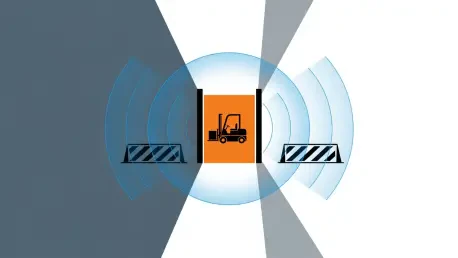
Modern collision avoidance systems represent the primary technological layer by utilizing artificial intelligence and ultra-wideband sensors to create a digital perimeter around active equipment. These sophisticated systems go far beyond simple proximity beeps; they are now capable of distinguishing between inanimate objects and human workers, which significantly reduces the frequency of nuisance alarms and operator fatigue. When a pedestrian enters a predefined danger zone, the system can automatically intervene by decelerating the forklift or disabling its lift functions entirely, effectively removing the human reaction time from the safety equation. Furthermore, real-time telemetry platforms track every near-miss, providing safety managers with a heatmap of high-risk areas within the warehouse layout. By analyzing this data, organizations can identify specific times of day or localized bottlenecks where the risk of impact is highest, allowing for targeted structural interventions and workflow adjustments.
Beyond hardware solutions, the behavioral layer of safety focuses on continuous, data-driven feedback loops that transform how operators perceive and respond to workplace hazards. Traditional once-a-year training sessions have been largely replaced by micro-learning modules and real-time coaching facilitated by the very sensors installed on the machinery. If an operator consistently takes corners too fast or engages in aggressive braking, the system provides immediate haptic or visual feedback, reinforcing positive habits in the moment of action. This approach moves safety from a disciplinary framework to one of professional development, where operators are empowered with the tools to monitor their own performance metrics. When combined with a culture of accountability, these technological nudges ensure that safety remains a top-of-mind priority rather than a secondary concern during peak fulfillment periods. This behavioral shift is essential because even the most advanced sensor cannot compensate for a workforce that is not fully engaged.
Environmental Hardening: Physical Safeguards
The final layer of this safety strategy successfully addressed the physical environment by implementing structural separation between human pathways and heavy machinery zones. Facilities that prioritized physical barriers, such as impact-resistant guardrails and automated gate systems, observed a significant reduction in unauthorized floor crossings and unexpected vehicle-pedestrian interactions. This physical hardening of the workspace ensured that even if a sensor failed or an operator became momentarily distracted, the environment itself acted as a final failsafe to prevent contact. Moving forward, the most effective path for logistics leaders involved conducting a thorough audit of current traffic patterns to identify the most frequent points of human-machine overlap. Once these zones were identified, the application of active detection technology and permanent physical segregation was required to maintain a zero-incident threshold. Maintaining all safety hardware ensured the system remained robust.