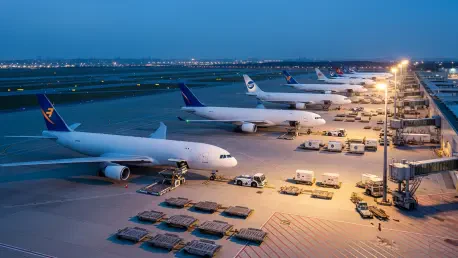

Global supply chains have finally entered a period of relative predictability after years of unprecedented volatility, yet the anticipated return to pre-crisis pricing structures has remained stubbornly out of reach for most international logistics providers. Even as demand curves flattened throughout the early quarters of 2026, the cost of transporting goods via air remained significantly higher than historical averages, suggesting a fundamental recalibration of the market. Shippers who previously expected a downward correction have instead found themselves navigating a plateau where capacity and demand find equilibrium at a premium price point. This stabilization occurred despite cooling inflation in several major economies, indicating that structural costs rather than temporary surges are now the primary drivers of air freight expenses. The current landscape necessitates a strategic pivot for manufacturers and retailers who rely on speed to market, as the era of cheap air logistics appears to have concluded in favor of a more expensive but reliable operational model.
Structural Drivers: Economic Factors and Capacity Constraints
One of the most prominent factors contributing to the sustained high rates in the air cargo sector involved the escalating costs associated with the industry’s transition toward greener operations. Airlines and logistics firms integrated sustainable aviation fuel into their daily operations to meet tightening carbon emission standards, adding a permanent layer of expense that did not exist in previous cycles. Beyond environmental mandates, the labor market remained tight across major transit hubs, forcing companies to increase wages for ground handlers, pilots, and logistics coordinators to ensure operational continuity. These increased overheads were not merely temporary spikes but represented a long-term shift in the cost of doing business within the aviation sector. Consequently, the baseline for air freight pricing moved upward as carriers sought to protect their margins against these inevitable expenditures. The ripple effect of these costs meant that even during periods of lower seasonal demand, the floor for pricing remained elevated compared to previous years. In addition to internal operational costs, the surge in cross-border e-commerce continued to put immense pressure on available air freight capacity, particularly on high-volume routes originating from manufacturing centers in Southeast Asia.
The stabilization of the air cargo market eventually dictated a shift toward diversified multimodal strategies that balanced the speed of air freight with the cost-effectiveness of sea and rail. Forward-thinking organizations successfully mitigated financial risks by re-evaluating their inventory placement and adopting regionalized distribution models that reduced the total distance traveled by high-cost air shipments. They prioritized the shipment of high-value, time-sensitive components via air while shifting bulkier, less urgent inventory to slower but more affordable transit modes. This tactical adjustment required a comprehensive audit of supply chain networks to identify where air cargo provided the most value and where it represented an unnecessary expense. Decision-makers also established more resilient partnerships with carriers, moving away from transactional relationships to collaborative agreements that focused on long-term capacity planning. By aligning their logistical footprints with the reality of sustained high rates from 2026 to 2028, businesses secured their operational future and ensured that their supply chains remained robust enough to handle any subsequent market shifts without sacrificing significant profitability or service quality.