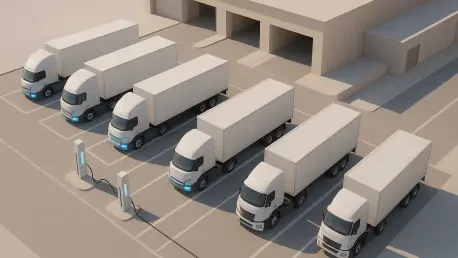

The success of Europe’s heavy-duty energy transition rests on expanding specialized charging networks that can handle the unique power demands of long-distance freight. While the skyline of European logistics is changing, the shift toward green energy in the heavy-duty transport sector currently moves at two distinct speeds. Public discourse often highlights the rapid growth of battery-electric vehicle sales, yet the operational reality remains grounded in a complex web of existing infrastructure and economic constraints. This transition requires a delicate balancing act between ambitious legislative climate targets and the immediate logistical necessity of maintaining millions of diesel-powered trucks that facilitate the continent’s intricate supply chains. Although the momentum toward electrification is undeniable, the volume of internal combustion engines currently in operation poses a formidable challenge to any immediate overhaul of the transport landscape across the European Union.
The Statistical Surge: Perception vs. Physical Fleet
The statistical growth of battery-electric trucks has reached an impressive milestone, with new registrations seeing a surge of nearly fifty percent during the early months of the current year. This specific uptick has pushed the electric market share for new truck sales toward the five percent mark, signaling what many observers consider a departure from traditional fossil fuel reliance. However, these figures represent only a narrow segment of the broader market activity, as over ninety-two percent of new truck purchases within the European Union still feature conventional diesel engines. This discrepancy highlights the persistent dominance of compression-ignition technology even in a market that is increasingly incentivizing zero-emission alternatives. For many transport operators, the familiarity and established refueling networks of diesel remain more compelling than the emerging but still maturing electric ecosystem, creating a gap between environmental aspirations and the daily realities of freight.
When expanding the view to encompass the entire European fleet of 6.2 million trucks, the actual impact of electrification appears much more modest than new sales data might suggest. Only approximately zero point three percent of all trucks currently navigating European motorways are battery-electric, meaning that diesel remains the undisputed backbone of the regional logistics industry. This massive legacy fleet dictates the true pace of environmental change, as older vehicles continue to serve their operational purposes long after newer and cleaner models enter the commercial market. The presence of these millions of existing diesel units ensures that the transition is not merely a matter of changing what is sold in showrooms today, but of managing a decades-long phase-out of entrenched mechanical systems. Consequently, the carbon footprint of the sector is influenced more by the persistence of these older rigs than by the arrival of the latest high-tech electric prototypes.
Institutional InertiThe Long Lifecycle of Heavy Assets
A primary hurdle preventing a rapid transition to electric transport is the exceptional durability and long service life of heavy-duty vehicles. On average, a truck in the European Union stays in operation for approximately fourteen years, representing a massive long-term capital investment for hauling companies and independent contractors alike. Unlike passenger cars, which consumers replace with relative frequency, these heavy rigs are engineered to withstand millions of kilometers, meaning any shift in technology takes over a decade to permeate the entire fleet. Fleet managers must weigh the high upfront costs of new electric models against the proven reliability and paid-off status of their existing diesel assets. This economic reality creates a significant lag between the introduction of green technology and its widespread adoption on the road, as the replacement cycle for heavy machinery is naturally slow and deeply tied to the financial health of the logistics sector.
Because these vehicles remain in service for such extended periods, the European road transport landscape will function as a mixed-energy environment for the foreseeable future. Cutting-edge electric rigs must share the highway and limited logistics hubs with aging diesel models that were manufactured well before the current environmental push gained legislative momentum. This coexistence creates logistical friction, as fueling stations and rest areas must now cater to two entirely different energy needs simultaneously. The transition is therefore a marathon rather than a sprint, requiring a dual-track strategy that supports new technology while managing the steady decline of the old. This period of overlap is expected to last for several more replacement cycles, forcing infrastructure planners to account for a diverse array of power requirements across the continent. The gradual nature of this turnover ensures that diesel engines will continue to play a role in European commerce.
Strategic Evolution: Past Observations and Future Steps
The analysis of the European transport sector revealed that the transition to electric mobility was a multifaceted process influenced by both rapid innovation and significant structural inertia. It was observed that while new vehicle sales showed a promising upward trajectory, the sheer scale of the existing diesel fleet acted as a powerful stabilizer for traditional energy use. Industry data indicated that the longevity of heavy rigs and the lack of a standardized continental charging network were the primary factors slowing the replacement of fossil-fuel-dependent vehicles. Researchers noted that the geographic disparity in infrastructure investment created a fragmented market, where some regions surged ahead while others remained tethered to older technologies. These findings demonstrated that the shift to a carbon-neutral logistics system was not a uniform movement but a complex evolution that required addressing both the newest technologies and the legacy systems still in operation.
Moving forward, stakeholders must prioritize the harmonization of charging standards and the rapid expansion of the megawatt charging system to ensure cross-border interoperability. Policymakers should consider targeted financial instruments that assist smaller carriers in Central and Eastern Europe with the high capital costs of fleet modernization. Beyond vehicle hardware, the focus must shift toward grid resilience, ensuring that local power networks can handle the immense surge in demand at highway rest areas and distribution centers. Future success in this sector will likely depend on a technology-neutral approach that incorporates hydrogen fuel cells for the heaviest loads and continues to support advanced biofuels as a bridge for the legacy fleet. By integrating these diverse solutions and focusing on infrastructure as the primary enabler, the European Union can transform its logistics backbone into a sustainable system that maintains economic competitiveness while meeting its vital climate objectives.