
The seamless delivery of consumer goods across a sprawling archipelago of over seven thousand islands remains one of the most complex logistical puzzles in the modern global economy. Success in this environment requires more than just a fleet of trucks; it demands a sophisticated integration of warehousing, transport, and distribution networks. As the Philippine market matures, the role of third-party logistics providers has transitioned from simple labor providers to essential strategic partners for major industrial and consumer corporations.
The shift toward professionalized enterprise management has redefined how supply chains function in Southeast Asia. Domestic consumption continues to fuel the need for reliable distribution, making integrated logistics the backbone of national economic resilience. Major players now focus on creating a seamless flow from the factory floor to the neighborhood store. This evolution reflects a broader trend where industrial growth is inextricably linked to the efficiency of the moving parts that support it.
Navigating the Complexities of the Philippine Logistics and Supply Chain Ecosystem
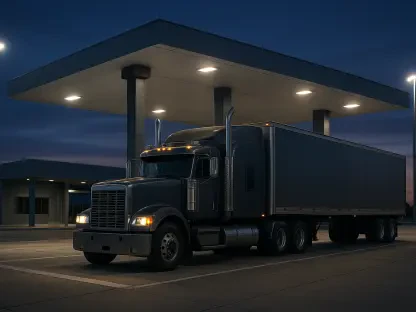
The Philippine economy depends heavily on robust third-party logistics to maintain the flow of essential goods across its complex maritime geography. Integrated warehousing and transport networks form the critical infrastructure that connects urban centers with remote provincial regions. Because the landscape is so fragmented, companies must rely on providers that possess both the physical assets and the local knowledge to navigate varied terrain.
As domestic consumption remains a primary driver of national growth, the demand for sophisticated supply chain solutions has moved away from traditional methods toward a model defined by professionalized management. This transition ensures that fast-moving consumer goods reach the hands of millions with minimal disruption. The resulting shift has transformed the sector into a high-stakes environment where only the most operationally sound enterprises can thrive.
Analyzing Market Dynamics and the Trajectory of Integrated Logistics
Key Drivers Shaping Modern Distribution and Warehouse Management
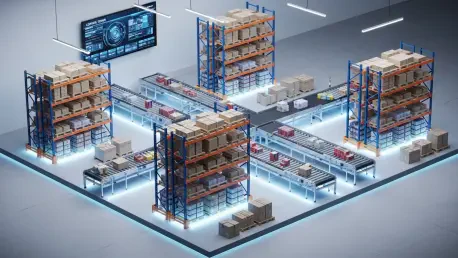
Modern distribution centers are evolving from simple storage facilities into high-tech hubs equipped with real-time inventory systems. This transition is largely fueled by changing consumer behaviors that prioritize speed and reliability above all else. Consequently, the strategic importance of geographical reach has never been higher, as companies seek to minimize the distance between stock and the end-user through distributed warehousing strategies.
Private equity involvement has played a transformative role in this process by providing the necessary capital to scale operational infrastructure. This investment allows family-owned firms to bridge the gap between traditional practices and global commercial standards. By focusing on procurement optimization and commercial capabilities, these partnerships have enabled local giants to compete on a world-class level while maintaining their domestic roots.
Quantifying Growth Potential and Infrastructure Expansion in Southeast Asia
The Philippine logistics sector is poised for steady growth, with current indicators suggesting a significant upward trajectory in regional cargo volumes. Large-scale warehouse developments are strengthening national resilience, allowing the supply chain to withstand external shocks more effectively. This expansion is not merely about square footage but involves the strategic placement of hubs that can serve the largest possible population with maximum efficiency.
Data-driven insights now guide fleet modernization efforts, ensuring that distribution platforms remain scalable as market demands fluctuate. These advancements underscore the long-term sustainability of the 3PL service model as a cornerstone of industrial expansion. As the regional economy becomes more interconnected, the ability to provide reliable end-to-end logistics will remain a primary differentiator for market leaders.
Confronting Structural Hurdles and Operational Bottlenecks in the Region
Operating in an archipelagic environment presents unique obstacles, particularly regarding the efficiency of last-mile delivery services in remote areas. To overcome these technological gaps, industry leaders have adopted advanced platforms like the Control Tower to synchronize disparate moving parts. These systems provide the visibility needed to manage thousands of vehicles and hundreds of thousands of square meters of space in real time.
Management teams must also navigate the constant pressures of rising fuel prices and logistical overhead while maintaining competitive pricing. Success in this environment requires a delicate balance between expanding physical footprints and maintaining the high service standards that clients expect. Addressing these bottlenecks is essential for any firm that intends to maintain a market-leading position over the long term.
The Regulatory Environment and Governance Standards in Local Freight
Major divestments in the logistics sector often face scrutiny from the Philippine Competition Commission to ensure market fairness and prevent monopolistic trends. Compliance with strict maritime regulations and transportation safety standards remains a top priority for firms operating across the islands. These regulatory frameworks provide a necessary structure for an industry that is vital to national security and economic stability.
Beyond physical safety, the adoption of international governance protocols has improved financial transparency and reporting accuracy across the sector. As supply chains become increasingly digitized, robust security measures and data privacy protections have become essential components of modern corporate governance. Maintaining these standards ensures that the industry can attract continued investment and maintain the trust of global shipping partners.
Anticipating the Next Evolution of Supply Chain Intelligence and Automation
The integration of artificial intelligence is set to revolutionize route planning and procurement by predicting demand patterns with unprecedented precision. Emerging trends suggest a major push toward green logistics, with electric fleets becoming a viable alternative for urban distribution cycles. These innovations are no longer optional luxuries but are becoming standard requirements for companies looking to future-proof their operations.
Consumers are also demanding hyper-transparency, seeking end-to-end visibility of their shipments at every stage of the journey. Specialized areas such as cold chain logistics and industrial warehousing are expected to see the most significant investment as the economy diversifies. Adapting to these shifts will require a continuous commitment to technological investment and a willingness to disrupt traditional business models.
Synthesizing the Impact of Strategic Divestments on Long-Term Corporate Growth
The successful conclusion of the partnership between CVC and the Chiongbian family demonstrated the power of operational professionalization in scaling a legacy enterprise. By implementing better financial reporting and technological upgrades, the group solidified its market-leading position and enhanced its competitive edge. This five-year journey prepared the organization for a seamless transition back to full family ownership, proving that private equity acted as a catalyst for sustainable excellence.
Future investors viewed this exit as a blueprint for balancing rapid physical expansion with institutionalized governance. Stakeholders who prioritized deep operational integration during these cycles realized the most significant gains before a final transfer of control occurred. Moving forward, the industry benefited from the increased transparency and modernized fleet standards established during this period of intensive value creation. The move ultimately signaled that the region was ready for more sophisticated capital movements and long-term reinvestment strategies.