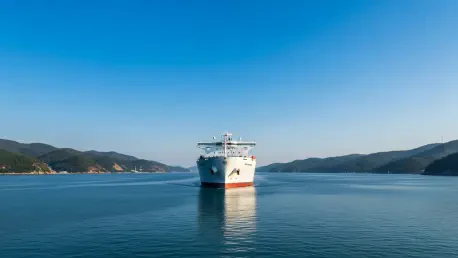

The global shipping landscape is currently undergoing a massive transformation as legacy operators struggle to balance aging fleets with the aggressive decarbonization targets mandated by international maritime authorities. In this high-stakes environment, Castor Maritime Inc., a diversified shipping and energy enterprise headquartered in Cyprus, has recently finalized a definitive agreement to purchase a high-specification Kamsarmax bulk carrier for a total consideration of thirty-seven point five million dollars. This acquisition represents a sophisticated maneuver to capitalize on the increasing demand for “modern-eco” vessels that offer superior fuel efficiency and lower emissions profiles compared to traditional bulkers. By securing a ship constructed in 2023, the company is not merely adding capacity but is actively repositioning its operational identity toward technological relevance and long-term sustainability within the dry bulk sector. This move signals a departure from speculative fleet expansion in favor of a targeted, quality-first approach to maritime asset management.
Strategic Evolution Toward Modern Asset Acquisition
The integration of this newly acquired Kamsarmax carrier is expected to elevate the total fleet count of the company to ten vessels, representing a combined carrying capacity of approximately zero point seven million deadweight tons. This milestone is particularly significant because it illustrates the company’s ability to maintain a lean yet highly capable operational footprint while focusing on vessels that command premium charter rates in the current market. Rather than maintaining a bloated inventory of older, less efficient ships, the management has prioritized the acquisition of younger tonnage that requires less frequent maintenance and offers higher reliability for long-haul voyages. This expansion is not just about raw numbers; it is a calculated effort to optimize the fleet’s age profile, ensuring that the company remains a preferred partner for global charterers who increasingly demand high-performance vessels for their sensitive logistics chains.
This strategic shift highlights the transition of the company from a niche maritime operator into a more formidable and diverse shipping powerhouse capable of influencing broader market trends. By expanding its operational scale, the firm gains better leverage during negotiations with port authorities, insurance providers, and technical management firms, which ultimately enhances its overall profit margins. The addition of high-capacity bulkers allows for the handling of larger cargo volumes across a wider variety of global trade routes, providing the flexibility needed to pivot between different dry bulk commodities as market demand shifts. This evolution reflects a broader trend in the shipping industry where mid-sized firms are seeking to institutionalize their operations, moving away from opportunistic single-vessel trades toward a more systematic and scalable business model that can withstand the cyclical volatility inherent in the maritime sector.
Technical Superiority and Robust Financial Execution
The vessel at the center of this transaction is a Kamsarmax bulk carrier, a specialized class of ship that represents the maximum size capable of docking at the Port of Kamsar in Guinea. This specific design is critical for the global aluminum supply chain, as these vessels are primarily utilized for the transport of bauxite from some of the world’s most productive mining regions. Because this ship was constructed in 2023, it incorporates the latest advancements in naval architecture and propulsion technology, often referred to as “modern-eco” design. These features include optimized hull forms and high-efficiency engines that drastically reduce fuel consumption and carbon output. In a world where environmental compliance is no longer optional, owning a vessel of this caliber provides a distinct competitive advantage, as it meets the rigorous standards set by the International Maritime Organization without the need for expensive retrofitting.
From a financial perspective, the decision to fund the thirty-seven point five million dollar purchase price entirely through cash on hand is a testament to the company’s disciplined capital allocation and strong liquidity position. In an era where rising interest rates and tightening credit markets have made traditional debt financing more expensive and difficult to secure, the ability to execute a transaction of this magnitude using internal reserves provides a significant strategic edge. This “cash-first” approach minimizes interest expense and avoids the restrictive covenants often associated with maritime loans, giving the leadership more autonomy in how they manage their assets. The transaction is slated for completion by the end of the current quarter, following the satisfaction of customary closing conditions, which will allow the vessel to begin generating revenue almost immediately upon delivery to the company’s wholly-owned subsidiary.
Organizational Diversification and Market Positioning
Beyond its direct ownership of physical maritime assets, the company has established a complex corporate structure that bridges the gap between traditional shipping and professional capital management. A key component of this strategy is the firm’s majority ownership in MPC Münchmeyer Petersen Capital AG, an asset manager listed on the Frankfurt Stock Exchange that specializes in real estate, infrastructure, and shipping projects. This relationship provides the company with deep insights into the global financial markets and access to a broader network of institutional investors and specialized maritime services. By controlling a significant stake in a major asset manager, the company can better navigate the complexities of maritime finance and participate in high-value investment opportunities that might be inaccessible to traditional shipping firms that focus solely on vessel operations and chartering.
This unique integration of physical shipping operations and expert financial management creates a powerful synergy that enhances the company’s overall market competitiveness. The management team can leverage the research and analytical capabilities of the asset management arm to identify undervalued vessels or emerging trade patterns before they become mainstream. Furthermore, this diversified business model provides a buffer against the inherent risks of the shipping industry, as the revenue streams from asset management fees and financial services help offset potential downturns in charter rates. This sophisticated approach to corporate organization demonstrates a forward-thinking mindset that treats maritime assets as part of a larger, diversified investment portfolio. It positions the company as a hybrid entity that is equally comfortable managing a fleet of bulkers as it is navigating the intricacies of the international equity and debt markets.
Sustainability Standards and Global Security Challenges
The investment in a 2023-built vessel is a direct response to the “green shipping” movement that is currently reshaping the regulatory environment of the global maritime industry. As the International Maritime Organization and regional bodies like the European Union implement stricter carbon intensity indicators and emissions trading schemes, the economic viability of older vessels is rapidly diminishing. Older ships that lack modern fuel-saving technologies face higher taxes, limited port access, and lower demand from environmentally conscious charterers. By proactively acquiring “modern-eco” tonnage, the company is effectively future-proofing its fleet and ensuring that its assets remain compliant with evolving environmental laws for decades to come. This proactive stance on sustainability is not only a regulatory necessity but also a strategic choice to align with the growing global emphasis on responsible and efficient logistics.
However, these strategic advancements are occurring against a backdrop of significant geopolitical instability that threatens the security of global trade routes. Ongoing conflicts in the Middle East and Eastern Europe have led to increased risks in vital maritime corridors, such as the Red Sea and the Strait of Hormuz, where merchant vessels have faced direct threats from regional actors. These tensions force shipping companies to decide between taking longer, more expensive routes around the Cape of Good Hope or paying significantly higher insurance premiums for transit through high-risk areas. Additionally, the possibility of trade wars and fluctuating global interest rates adds layers of complexity to operational planning. The company must remain vigilant and maintain high levels of cybersecurity and physical security to protect its assets and personnel in an increasingly volatile global environment where traditional safety assumptions can no longer be taken for granted.
The maritime industry recognized that the successful integration of modern assets required a fundamental shift in how companies managed both physical technology and human capital. Stakeholders evaluated the long-term impact of high-efficiency vessels and concluded that the most resilient operators were those who moved quickly to adopt “modern-eco” standards while maintaining strong balance sheets. Operational frameworks shifted toward real-time data analytics and automated maintenance schedules, which allowed fleet managers to maximize the uptime of expensive Kamsarmax carriers. Moving forward, the focus centered on establishing more robust partnerships with renewable energy providers and investigating alternative fuels such as ammonia and green hydrogen to further reduce the carbon footprint of global bulk transport. The industry also prioritized the development of enhanced satellite-based security systems to protect vessels from the rising threats of piracy and regional conflicts in sensitive waterways. These collective actions ensured that the shipping sector remained the backbone of global trade while adapting to the stringent demands of a more sustainable and secure world economy.