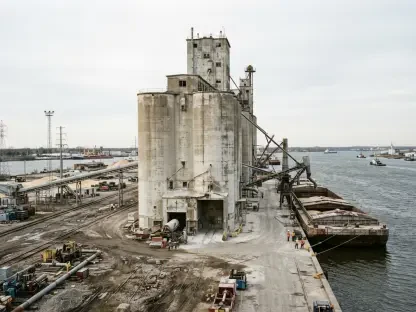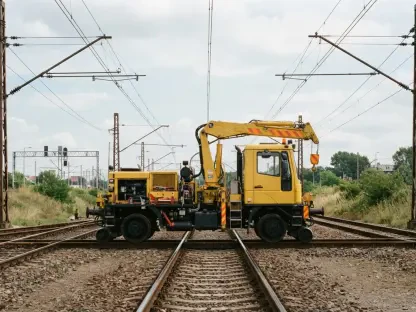

The deployment of a private test train carrying nearly 3,000 tonnes of cargo signals a major turning point for the commercial viability of South African rail infrastructure. This monumental shift occurred as the nation moved away from a rigid state-led monopoly toward a dynamic, multi-operator environment designed to foster competition and efficiency. For years, the reliance on a single entity for freight movement resulted in bottlenecks that stifled the mining and agricultural sectors, but the introduction of open-access arrangements changed the trajectory of the industry. By allowing private companies like Grindrod to utilize national tracks, the government successfully initiated a strategy to revitalize the primary corridors connecting the hinterland to global markets. This transition was essential for modernizing the logistics network and ensuring that South African goods remained competitive on the international stage. The recent operations on the North-East Corridor demonstrated that the transition was not just possible but highly effective for large-scale logistics.
Breaking the Monopoly on Heavy Haulage
Operational Success on the North-East Corridor
The successful transit of the test train from Komatipoort in Mpumalanga to facilities in Mozambique provided a tangible proof of concept for the new regulatory framework. Transporting exactly 2,991 tonnes of cargo, the operation effectively removed the equivalent of 88 heavy-duty truckloads from the national road network in a single trip. This massive capacity highlight underscored the inherent strengths of rail for bulk commodity transport, which remains the backbone of the regional economy. Private operators brought a level of technical rigor and logistical oversight that complemented the existing state infrastructure, leading to a seamless journey across the border. By meeting rigorous safety and scheduling standards, the project showed that private-public partnerships could function without compromising the integrity of the national rail system. This milestone was particularly significant for the North-East Corridor, which serves as a vital artery for mineral exports and regional trade, proving that rail could reclaim its role as the preferred mode for bulk transport.
Strategic Implementation of the Multi-Operator Framework
Building on this initial success, the broader reform program identified five strategic corridors where private investment could have the most immediate impact on national productivity. This initiative involved a consortium of 11 private companies authorized to run independent freight services, which was projected to add an initial 24 million tonnes of annual capacity to the network. These corridors were selected based on their potential to alleviate congestion at major ports and provide reliable alternatives for heavy industry. By diversifying the pool of operators, the national logistics strategy aimed to attract private capital for rolling stock and maintenance, which had been underfunded in previous cycles. The goal was to create a self-sustaining ecosystem where competition drove down costs and improved service reliability for exporters. This systemic change represented a fundamental rethinking of how public assets were utilized, shifting the focus toward a service-oriented model that prioritized speed and volume.
Integrating Multimodal Supply Chain Solutions
Synergy: Redefining the Rail and Road Connection
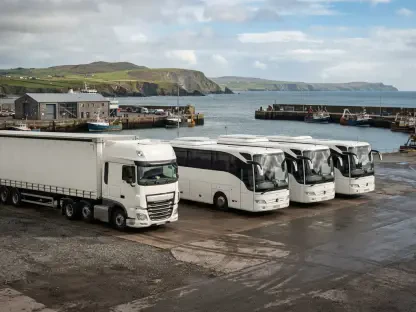
A central theme emerging from these reforms was the recognition that rail and road transport must function as a synchronized system rather than as isolated competitors. While the private rail test demonstrated the efficiency of long-haul bulk movement, the trucking industry remained indispensable for the nuanced demands of the first-mile and last-mile segments. Trucks continued to handle the vital task of collecting materials from decentralized mines and delivering finished goods to final destinations that lacked direct rail sidings. This collaborative approach allowed the logistics sector to optimize the strengths of each mode, using rail for heavy, long-distance hauls and trucks for flexible, localized distribution. By shifting bulk goods to the tracks, the government reduced the excessive wear and tear on national highways, which had suffered from the proliferation of heavy freight vehicles. This optimization not only improved the longevity of road infrastructure but also enhanced overall road safety for the general public.
Commercial Viability and the 2027 Growth Outlook
Looking toward the immediate future, Grindrod set ambitious targets to move 288,000 tonnes of freight annually starting in 2027, with a primary focus on the coal export market. This volume represented a significant commitment to the long-term viability of private rail operations and required substantial coordination with international port facilities. By focusing on coal, the company tapped into one of the most consistent revenue streams in the logistics sector, providing a stable foundation for further expansion into other commodities. This move was part of a larger trend where private firms took on more responsibility for the end-to-end management of the supply chain, ensuring that cargo moved from the source to the ship with minimal delays. The success of such large-scale initiatives depended on continued investment in technology and digital tracking systems to provide real-time visibility for customers. As these operations scaled up, the cumulative effect on the national economy was expected to be profound.