
Approximately 71 percent of the funding for Bangladesh’s new railway capacity expansion project will be provided through a strategic loan from the Asian Infrastructure Investment Bank. This massive undertaking, valued at Taka 2,769.86 crore, represents a pivotal moment in the nation’s efforts to modernize its aging transport infrastructure. By focusing on the procurement of 30 advanced meter-gauge diesel-electric locomotives, the government is addressing a long-standing deficit in operational power that has hampered both passenger and industrial growth for decades. The initiative is not merely a purchase of hardware but a comprehensive attempt to overhaul a system that has struggled to keep pace with the demands of a rapidly developing economy. Through this strategic investment, the Bangladesh Railway aims to reclaim its role as a reliable and efficient mode of transport, ensuring that the nation’s logistical backbone can support the high-volume movement of people and goods across the region safely.
Securing International Funding and Project Timelines
The financial structure of this locomotive acquisition project highlights a sophisticated blend of international credit and domestic budgetary allocation. While the lion’s share of Taka 1,958.48 crore is secured through the Asian Infrastructure Investment Bank, the Bangladesh government committed Taka 811.38 crore from its internal treasury to demonstrate national ownership of the project. The Executive Committee of the National Economic Council, under the leadership of Prime Minister Tarique Rahman, provided the formal sanction required to move the project forward into its active phase. This collaborative financing model ensures that the burden of such a massive infrastructure upgrade is shared, allowing the country to leverage low-interest international development funds while maintaining fiscal discipline. Such a robust funding framework is essential for projects of this scale, providing the necessary liquidity to navigate the complex procurement cycles associated with modern railway technology.
With the initial administrative approvals finalized, the implementation phase for the capacity expansion project is scheduled to begin in July 2026. This timeline is carefully structured to allow for the initial stages of international tendering and vendor selection before the physical delivery of the engines begins. The government has set a definitive completion target for December 2029, reflecting a realistic window for the manufacturing, testing, and commissioning of sophisticated diesel-electric hardware. Throughout this three-year period, the railway administration plans to synchronize the arrival of new engines with existing infrastructure upgrades, ensuring that the rail network is ready to handle the increased power and weight of the new units. By adhering to this rigorous schedule, the ministry hopes to minimize disruptions to current schedules while systematically phasing out the most unreliable segments of the fleet. This proactive approach to project management is designed to yield immediate results.
Overcoming a Critical Infrastructure and Operational Crisis
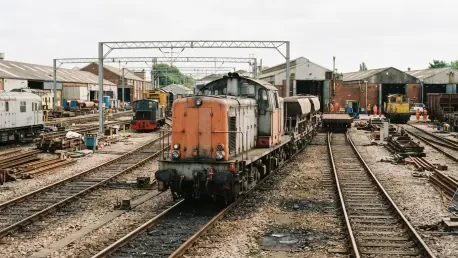
The necessity of this procurement stems from the dire state of locomotive availability within the current Bangladesh Railway system. Currently, the organization possesses a total of 292 locomotives, divided into 164 meter-gauge and 128 broad-gauge engines. However, the operational reality is grim: 115 of the meter-gauge locomotives have exceeded their standard economic lifespan of 20 years. Even more concerning is the fact that 62 of these engines are more than 40 years old, representing a legacy of hardware that is difficult and expensive to maintain in a modern context. These aging assets are identified by railway officials as the single largest bottleneck preventing the expansion of rail services. The prolonged use of such hardware has led to a steep decline in operational efficiency and frequent mechanical breakdowns. This crisis of reliability has undermined public confidence and limited the railway’s ability to compete with road transport for both passengers and cargo.
Technical failures frequently disrupt train schedules, leading to cascading delays across the entire network and severely limiting the system’s overall transportation capacity. Beyond the immediate delays, the reliance on obsolete technology necessitates the use of expensive, hard-to-source spare parts, further straining the railway’s limited maintenance budget. This cycle of breakdown and temporary repair has prevented the organization from implementing a forward-looking growth strategy. By replacing these vintage units with 30 high-performance diesel-electric locomotives, the government aims to restore a baseline of operational stability. This modernization effort is expected to reduce the frequency of engine failures and improve fuel efficiency, which will significantly lower long-term operational costs. Addressing these infrastructure weaknesses is the first step toward creating a railway that can meet the rigorous demands of the future while providing a foundation for regional economic integration.
Prioritizing Industrial Freight for Economic Growth
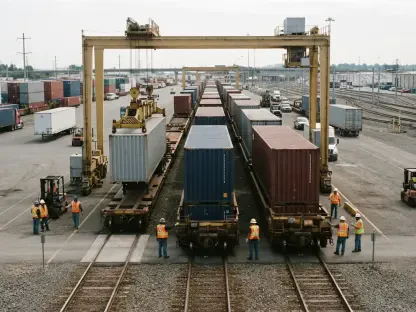
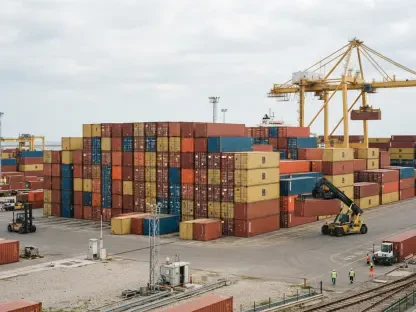
A central theme of the government’s railway strategy is a shift in focus toward freight movement as a primary revenue driver. Currently, the railway accounts for a mere 3 to 4 percent of domestic freight transport, a figure that officials consider unacceptably low given the inherent cost-effectiveness of rail for moving large volumes over long distances. Recent statistics highlight a worrying trend, with rail cargo volumes declining from 54.67 lakh tonnes to 44.14 lakh tonnes over the last few fiscal years. By adding these 30 new locomotives, the government aims to reverse this trend, targeting the transport of essential commodities such as rice, wheat, fertilizer, and petroleum products. This strategic pivot is intended to capitalize on the massive untapped potential to transport imported goods from Chattogram Port to the rest of the country. By moving more industrial materials by rail, the government also hopes to alleviate the severe road congestion that currently plagues major economic corridors.
The authorities focused on several actionable steps to ensure the long-term success of this railway revitalization. Officials prioritized the immediate deployment of the new fleet to the busiest industrial corridors to maximize revenue generation. By integrating these high-capacity locomotives with upcoming double-track sections, the administration effectively streamlined the movement of essential goods from the ports to the hinterland. Furthermore, the decision to invest in comprehensive technical training for the local workforce provided a sustainable foundation for future maintenance requirements. This initiative successfully laid the groundwork for a more resilient and environmentally friendly transportation system that supported the nation’s economic goals. The strategic pivot toward freight dominance allowed the railway to reclaim its market share from road transport, while the phased transition to dual-gauge standards remained a core part of the master plan. These efforts collectively ensured that the railway remained a vital component of the national infrastructure.