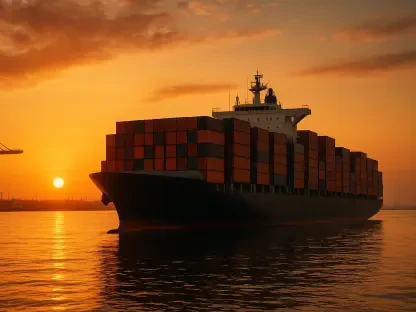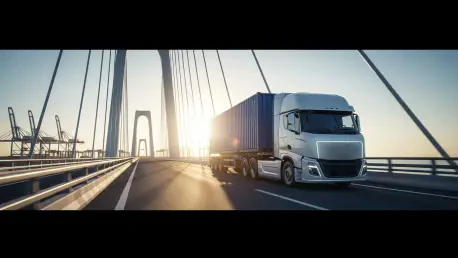

The massive roar of diesel engines at the world’s busiest ports is finally being replaced by the subtle hum of high-performance electric drivetrains that represent the future of containerized freight movement. Heavy-duty transport has long been the primary source of carbon intensity in global supply chains, yet the current shift toward zero-emission frameworks is redefining regional drayage. Strategic investments in infrastructure are now anchoring this change at major trade hubs.
The Lin-gang Flagship Logistics Centre in Shanghai serves as the primary strategic node for this transformation within the East Asian trade network. By establishing a low-carbon corridor, the facility directly links inland fulfillment operations to the major maritime terminals at Shanghai Yangshan Port. Maersk’s integration of heavy-duty electric fleets at this scale sets a benchmark for the entire shipping industry, ensuring landside operations keep pace with maritime greening.
Transforming Global Logistics Through Electrified Drayage
This transition represents more than just a change in fuel; it is a fundamental redesign of how cargo moves between warehouses and docks. By focusing on high-volume highway loops, logistics providers can maximize the utility of electric vehicles where they are most effective. This approach turns short-haul drayage into a clean, repeatable process that eliminates tailpipe emissions in densely populated port regions.
Furthermore, the implementation of these fleets provides a scalable model for other global maritime hubs looking to decarbonize their inland links. As electric trucks become a staple of the terminal landscape, the reliance on conventional internal combustion engines begins to fade. This integration bridges the gap between green ocean shipping and carbon-neutral inland distribution.
Driving the Transition With Smart Energy and Integrated Data
Key Trends in Zero-Emission Transport and Circular Logistics
Modern logistics ecosystems now combine automated warehousing with electric vehicle fleets to maximize operational efficiency and resource use. The Lin-gang facility utilizes rooftop solar panels to create a circular energy model, powering the very trucks that move its cargo throughout the day. This integration ensures that the energy used for transport remains as clean as the vehicles themselves.
Moreover, there is a rising commercial demand for verifiable greenhouse gas reductions across every segment of the supply chain. Data-driven logistics allow operators to synchronize warehouse activities with landside transport in real time, reducing idle times. This connectivity ensures that every mile driven contributes to a leaner and more sustainable logistics operation.
Performance Metrics and the Economic Shift From Diesel to Electric
Electric drivetrains offer significant energy efficiency advantages, particularly in the stop-and-go environment of busy port operations. Unlike internal combustion engines that waste energy while idling at gates, electric motors excel in high-density traffic. This performance shift directly influences the bottom line by reducing the energy cost per container moved over time.
Electrification also provides a necessary buffer against the inherent volatility of global diesel prices, offering long-term market stability for shippers. Projections for the period from 2026 to 2028 suggest that carbon footprint reductions will become a primary driver in contract logistics pricing. As adoption rates for electric heavy-duty trucks grow, the economic case for ditching diesel becomes undeniable.
Navigating the Obstacles of Heavy-Duty Decarbonization
Transitioning to electric fleets involves addressing technical limitations, specifically regarding battery range and charging infrastructure for high-volume transfers. Managing port dwell times remains a complex task, as charging cycles must be coordinated with vessel schedules to avoid container demurrage. Tight synchronization between terminal operations and fleet management is essential to maintain fluidity and avoid delays.
Moreover, scaling these fleets in regions with less developed renewable energy grids requires innovative local strategies and partnerships. While the initial capital expenditure for electric vehicles remains high, long-term operational savings and efficiency gains offer a clear path to profitability. Success depends on the ability to balance these upfront costs with the undeniable benefits of a modernized, green fleet.
Aligning With Global Green Standards and Regulatory Frameworks
International maritime and environmental regulations increasingly dictate the requirements for landside logistics and transparency. Companies must now navigate complex compliance and reporting standards, specifically regarding Scope 3 emissions for their global partners. This transparency is no longer optional as customers demand rigorous environmental accountability throughout the entire fulfillment journey.
Local mandates in major ports, such as Shanghai, further accelerate the adoption of new-energy vehicles through strict emissions limits. These policies enhance supply chain security and resilience by standardizing green transport protocols across international borders. By adhering to these frameworks, logistics providers secure their position in an increasingly regulated and environmentally conscious global market.
The Horizon of Autonomous and Sustainable Supply Chains
Future-proofing the supply chain involves the integration of autonomous driving technology with existing electric truck fleets. This combination promises to increase safety and reduce operational costs while further lowering the carbon footprint of every delivery. The Lin-gang model provides a scalable blueprint that other global shipping hubs can replicate to expand low-carbon corridors.
Emerging battery technologies and ultra-fast charging are expected to extend the range of inland freight capabilities significantly. These advancements will likely drive shifts in global trade routes as sustainable infrastructure becomes a primary competitive advantage. Incentive programs for green logistics will continue to favor those who adopt these technologies early and integrate them into their core operations.
Charting the Path Toward a Decarbonized Global Shipping Network
The strategic deployment of Maersk’s electric fleet confirmed the viability of corporate net-zero goals through actionable landside innovation. The low-carbon corridor functioned as a successful blueprint for global providers seeking to bridge the gap between ocean and inland logistics. It showed that systemic changes were possible when technology and infrastructure were synchronized effectively.
Stakeholders recognized that balancing innovation with operational stability required a phased approach to the energy transition. The synergy between landside greening and maritime decarbonization created a more resilient and transparent supply network. Ultimately, these efforts provided the necessary groundwork for a fully sustainable global shipping industry.