
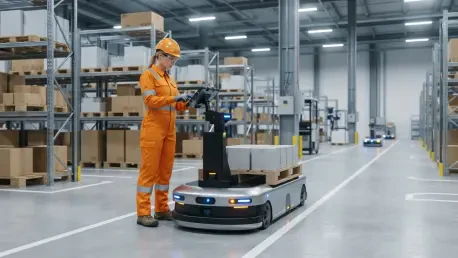
The rapid integration of autonomous mobile robots into the modern supply chain has fundamentally transformed the physical dynamics of the industrial floor, necessitating a radical shift in how we perceive personal protection. As high-tech ecosystems featuring Automated Guided Vehicles (AGVs) and
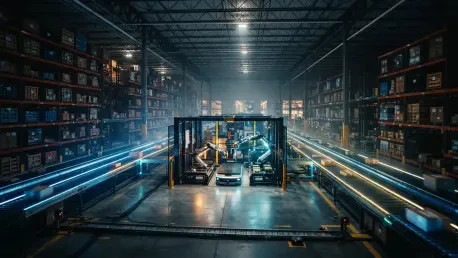
To maintain continuous multi-shift productivity, the new logistics infrastructure at Hebe incorporates both manual and automatic battery-swapping stations for its shuttle fleet. This modernization initiative, spearheaded by the German automation specialist advasolutions, represents a critical shift
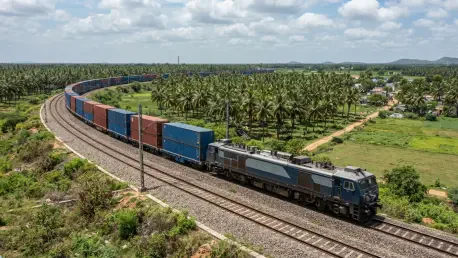
DP World’s September 2026 operational expansion leverages the Dedicated Freight Corridor to bypass the delays typically caused by freight sharing tracks with passenger trains. This strategic shift represents a pivotal moment for India's internal commerce, as the nation seeks to modernize its aging

The rapid reconfiguration of global electronics manufacturing has reached a significant milestone as Apple integrates American industrial capabilities directly into its flagship product cycle for the iPhone 18 and the new Duo. This transition marks a fundamental change in how high-volume consumer

The vulnerability of a logistics operation is highest during its startup phase, making digital workforce readiness tools essential for mitigating operational risk. As the supply chain landscape becomes more complex in 2026, the success of a third-party logistics provider is no longer measured

No other member state in the European Union has implemented a total prohibition on cash-on-delivery services for the domestic courier industry. This distinction places Greece at the center of a profound economic experiment that seeks to redefine how physical goods and digital payments intersect.
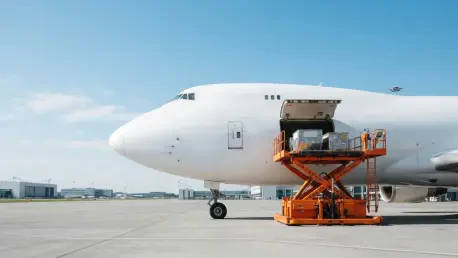
Strategic partnerships with the Belgian Civil Aviation Authority and food safety regulators ensure that cargo operations meet the highest standards of international compliance. This foundational commitment to excellence has propelled Brussels Airport into the ranks of the world's most sophisticated
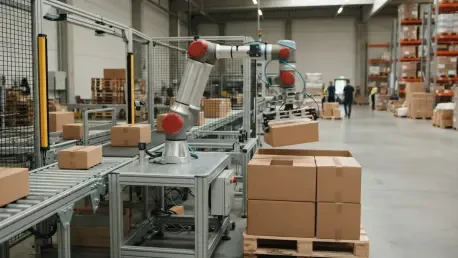
The traditional boundaries between rigid industrial automation and the fluid decision-making processes of the human mind are rapidly dissolving as physical artificial intelligence takes center stage. This technological shift marks a transition from pre-programmed repetition to perception-driven
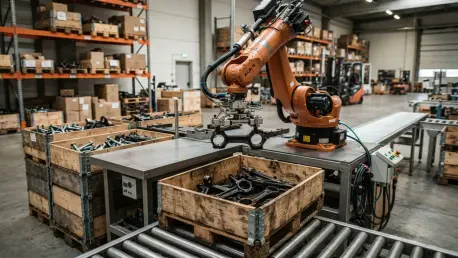
Napa Auto Parts is integrating high-density automated storage and retrieval systems to modernize its fulfillment centers and address the growing need for supply chain resilience. This strategic initiative involves a robust partnership with Hy-Tek Intralogistics and Hai Robotics to deploy advanced
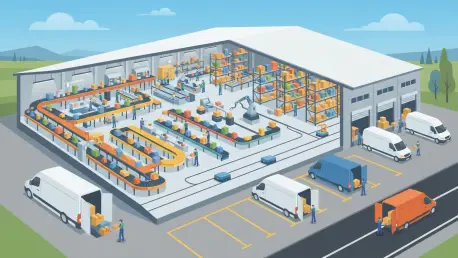
The consolidation of high-scale infrastructure and machine learning allows brands to maintain customized customer experiences without sacrificing the benefits of scale. As the logistics landscape becomes increasingly dominated by massive marketplaces, independent retailers often find themselves
1 2 3 4 5 6 7 8 9 10 11 12 13 14 15 16 17 18 19 20 21 22 23 24 25 26 27 28 29 30 31 32 33 34 35 36 37 38 39 40 41 42 43 44 45 46 47 48 49 50 51 52 53 54 55 56 57 58 59 60 61 62 63 64 65 66 67 68 69 70 71 72 73 74 75 76 77 78 79 80 81 82 83 84 85 86 87 88 89 90 91 92 93 94 95 96 97 98 99 100 101 102 103 104 105 106 107 108 109 110 111 112 113 114 115 116 117 118 119


