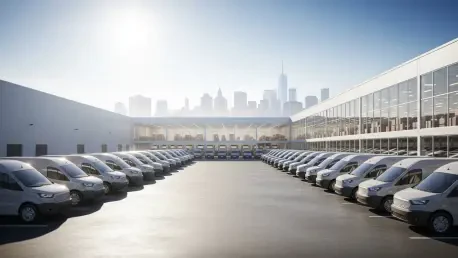

The sudden surge in commercial vehicle traffic within New York City’s residential corridors has prompted local legislators to introduce a sweeping last-mile delivery bill that aims to strictly regulate where and how e-commerce giants operate their distribution hubs. This legislative push reflects a growing tension between the convenience of rapid delivery and the quality of life for neighborhood residents who face increased noise, pollution, and safety risks. As the city navigates the complexities of modern urban logistics, the potential for unintended economic consequences looms large over the local workforce. Critics of the measure suggest that the restrictive zoning and operational requirements could lead to the closure of several facilities, putting thousands of blue-collar positions at risk. Meanwhile, proponents argue that the bill is a necessary intervention to reclaim public space and reduce the carbon footprint of a logistics sector that has expanded without significant oversight for years. The debate highlights a fundamental clash between the digital economy’s operational needs and the physical constraints of an aging urban infrastructure that was never designed for the volume of deliveries seen today. By prioritizing residential quiet over industrial efficiency, the city might inadvertently stifle the very commerce that drives its tax base.
Economic Realities of Delivery Hub Restrictions
The logistics industry has responded with significant concern, pointing out that current operational models rely on a dense network of warehouses to meet the delivery expectations of millions of residents. When these facilities are forced to relocate to the outskirts of the city, the immediate result is an increase in the number of vehicle miles traveled, which paradoxically contributes to the very congestion and emissions that the legislation seeks to mitigate. From a technological perspective, companies like Amazon and FedEx have already invested heavily in electric vehicle fleets and automated sorting systems within these urban centers to streamline operations. However, if the regulatory landscape becomes too hostile, these investments might be redirected to neighboring jurisdictions with more favorable terms, leading to a massive drain of capital and labor. The potential loss of ten thousand jobs is not merely a theoretical exercise; it represents a real threat to the livelihoods of drivers, sorters, and warehouse managers who form the backbone of the city’s supply chain. This shift could also trigger a ripple effect throughout the local economy, as fewer workers would have the disposable income to spend at small businesses within their own communities. Maintaining a balance between regulatory oversight and economic vitality requires a nuanced approach that considers the operational necessities of modern commerce.
Navigating the Path Toward Sustainable Urban Logistics
Stakeholders recognized that a middle ground was essential for ensuring that New York City remained a global leader in both innovation and livability. City planners explored the implementation of micro-mobility hubs and cargo bike incentives as viable alternatives to heavy van traffic in densely populated areas. By incentivizing the use of smaller, quieter electric vehicles for the final leg of the journey, the municipal government sought to address environmental concerns without forcing the complete shutdown of critical logistics infrastructure. Policymakers also considered tax credits for companies that maintained high employment levels while adhering to stricter noise and emission standards. It was determined that a phased approach allowed businesses to adapt their supply chains gradually, preventing a sudden shock to the labor market that could have resulted in widespread unemployment. Moving forward, the city prioritized the development of multi-modal distribution centers that integrated seamlessly into the urban fabric. These facilities served as blueprints for other metropolitan areas facing similar challenges, proving that economic growth and environmental stewardship were not mutually exclusive goals. Finalized agreements between labor unions and logistics firms ensured that workers received training for new roles in a shifting technological landscape. This collaborative spirit transformed a potential crisis into a long-term strategy for a more resilient and sustainable city.