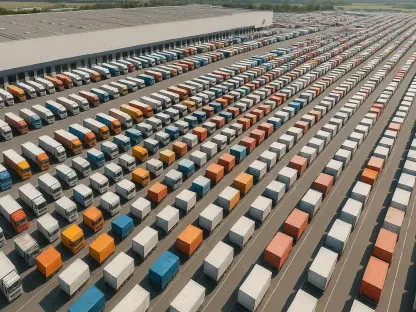

Navigating the complexities of the current logistics landscape requires an understanding of why domestic parcel rates have surged to a peak of forty-two percent above historical baselines. This unprecedented rise in expenses creates a challenging environment for businesses that rely on the prompt delivery of goods. Understanding the underlying mechanisms of these price hikes is essential for maintaining operational viability in a year marked by extreme financial pressure.
The objective of this article is to explore the primary drivers behind these record costs while providing guidance on the current state of the parcel market. By addressing specific questions about fuel surcharges, volume discounts, and competitive shifts, the narrative will clarify the economic forces at play. This exploration is intended to help shippers navigate the most expensive year on record for package delivery.
The scope of this discussion covers ground and express shipping sectors, carrier pricing strategies, and the emerging role of alternative delivery networks. Readers can expect to learn how refined fuel fee calculations and targeted discount reductions have reshaped the industry. Moreover, the analysis will touch upon how residential delivery density and inflation across all shipping tiers are influencing bottom lines.
Key Questions: Analyzing the Logistics Landscape
What Factors Are Driving Ground Shipping Costs to Unprecedented Levels?
The sharp escalation in shipping expenditures is largely a byproduct of geopolitical volatility affecting global energy markets. Instability in the Middle East, particularly surrounding the Strait of Hormuz, has pushed diesel prices toward the four-dollar-and-fifty-cent mark, forcing carriers to implement aggressive cost-recovery measures. These external pressures have created a volatile pricing environment that shows no immediate sign of significant reversal.
Consequently, major carriers have reported a forty percent year-over-year increase in fuel surcharge revenue by refining their calculation models. These adjustments ensure that surcharge revenue remains elevated even when diesel prices show signs of stabilization. Ground fuel surcharges now sit between twenty-four and twenty-five percent, representing a noticeable leap from previous benchmarks and contributing significantly to the overall rise in per-package rates.
How Have Carrier Pricing Strategies Changed for High-Volume Shippers?
Carrier pricing strategies have undergone a strategic shift that prioritizes profit margins over sheer volume growth. Recent reports indicate that ground shipping discounts are declining as carriers become more selective about the types of business they incentivize. This transition marks a departure from earlier periods where volume was the primary driver of contract negotiations and pricing favorable to large retailers.
The reduction in discounts is not applied uniformly across the entire market, however. While high-volume clients are seeing their incentives tighten, carriers continue to offer competitive rates to small and medium-sized businesses to maintain a diverse customer base. This targeted approach allows providers to protect their margins from the largest shippers while remaining attractive to smaller market segments that are less likely to seek alternative providers.
Does Amazon Supply Chain Services Provide a Viable Alternative to Established Carriers?
Amazon Supply Chain Services has emerged as a formidable competitor by leveraging its vast delivery network to attract disenchanted shippers. To gain market share, the company has begun marketing its services by offering competitive rates and waiving many of the surcharges traditionally imposed by industry leaders. This aggressive positioning aims to disrupt the long-standing duopoly of established carriers by providing a more transparent cost structure.
While the reach of this network is still expanding, its high density in residential areas poses a serious long-term threat to traditional pricing power. Shippers are increasingly looking toward these alternatives to avoid the complex fee structures that have made the current year so expensive. The presence of a major third-party option forces established players to reconsider how they balance surcharge revenue against the risk of losing market share.
Why Are Express Parcel Rates Also Reaching Historic Highs?
Inflationary pressures have permeated the express parcel sector, leading to record-high costs that mirror the trends seen in ground shipping. The demand for premium services remains high despite rising prices, as businesses prioritize speed and reliability to meet consumer expectations. Furthermore, an increase in billed weights has contributed to higher overall invoices, making fast shipping more expensive than ever before.
This unified surge across all shipping tiers suggests that the current environment is shaped by widespread operational costs rather than isolated factors. The express sector specifically reflects the increased costs of labor and aviation fuel, which are passed directly to the customer. As a result, shippers must navigate a landscape where even premium, time-sensitive options offer little relief from the overarching trend of rising expenditures.
Summary: Recap of the Year
The current year stands as a landmark for parcel shipping costs, driven by a combination of high fuel surcharges and reduced volume discounts. Businesses are facing ground rates that have reached forty-two percent above the established baseline, a trend exacerbated by geopolitical events and carrier pricing adjustments. These factors have combined to create a market where traditional savings strategies are becoming less effective for the largest shippers.
Carriers are focusing on protecting their profit margins while navigating competition from emerging networks like Amazon. The data shows that while some seasonal dips may occur, the overall trajectory remains high due to persistent inflation and the strategic refinement of fee structures. Shippers must remain agile, looking for opportunities to leverage smaller-scale incentives or alternative delivery partners to mitigate these historic price increases.
Conclusion: Final Thoughts
The logistics industry underwent a profound transformation as the financial burden of delivery reached its highest point. Companies that successfully adapted to these shifts did so by scrutinizing their carrier contracts and exploring new delivery networks that offered fewer hidden fees. The results demonstrated that a reliance on historical pricing models was no longer a sustainable strategy for those moving large quantities of goods.
Looking back at the data, the necessity for strategic diversification became clear as traditional discounts eroded. Decision-makers were forced to weigh the benefits of speed against the reality of aggressive surcharges that redefined the cost of doing business. Ultimately, the lessons learned during this period of peak expenses provided a new roadmap for managing logistics in an era of constant economic flux.