
Rohit Laila has spent decades navigating the complexities of the global supply chain, witnessing firsthand how the “last mile” has become the most critical battleground in retail. As an innovator in logistics, he brings a unique perspective on how technology and physical infrastructure are evolving to counter the rising tide of parcel theft. With “porch piracy” becoming a household term, he explains why the shift toward secure, third-party collection points is no longer just a luxury, but a necessity for the modern consumer.
With parcel theft losses recently spiking to over £666 million, nearly doubling from the previous year, how is this financial impact fundamentally reshaping the relationship between retailers and their customers?
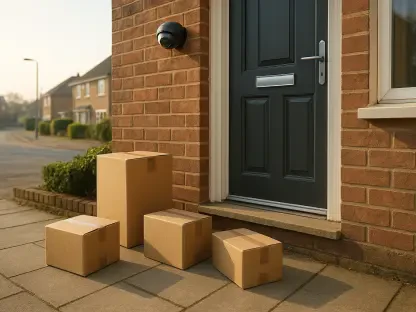
The surge from approximately £377 million to £666.5 million in stolen goods represents a massive breach of trust that ripples through the entire retail experience. When you consider that 67% of consumers have already dealt with a missing or stolen delivery, it is clear that the traditional “drop and dash” model is failing. We are seeing a significant shift where one in every 12 shoppers now ranks security as their top priority when selecting a shipping method. This environment forces retailers to move away from unattended deliveries to more controlled environments, as consumers are no longer willing to risk their purchases being left on a vulnerable doorstep.
The data indicates that younger generations are the most frequent users of parcel shops. What specific factors are driving nearly 80% of those aged 18 to 34 to abandon home delivery in favor of local collection points?
This demographic trend is largely driven by the high-mobility lifestyle that defines the 18-to-34 age group, where 77% of those under 24 and 79% of those under 34 are choosing convenience stores for their parcel needs. These younger consumers often live in shared housing or urban apartments where secure doorstep delivery is nearly impossible, making the safety of a parcel shop an obvious choice. They value the “trip-chaining” aspect of logistics, where they can handle returns or collections while picking up groceries or coffee. For them, the parcel shop isn’t just a backup plan; it is a central hub that aligns with their expectation for seamless and secure physical touchpoints.
Flexibility and proximity seem to be the new gold standards for the delivery industry. How are logistics networks evolving to meet the demands of the 87% of shoppers who now insist on having diverse collection options?
We are seeing a massive infrastructure expansion, exemplified by networks like Collect+, which now offers over 14,000 secure locations across the country to ensure parcels are never out of reach. Proximity is the deciding factor for 88% of users, who want their collection points to be nestled right within their daily commute between home and work. Because 33% of consumers specifically cite flexibility as their main consideration, logistics providers are extending operating hours to early mornings and late nights, seven days a week. This evolution transforms the parcel delivery from a stressful waiting game at home into a task that fits effortlessly into the 24/7 rhythm of modern life.
What is your forecast for the role of community-based parcel hubs over the next few years as retail continues to move away from traditional doorstep models?
I anticipate that the reliance on parcel shops will move from the current 73% adoption rate to becoming the default standard for all urban e-commerce transactions. As theft rates remain a high-stakes challenge, these 14,000-plus locations will evolve into “micro-logistics centers” that handle more than just simple pickups. We will likely see these hubs offering more specialized services like instant exchanges and efficient returns to improve the overall customer experience. The future of the industry is clearly moving toward a model where the consumer, not the courier, dictates the timing and security of the exchange, ending the era of the vulnerable porch delivery.