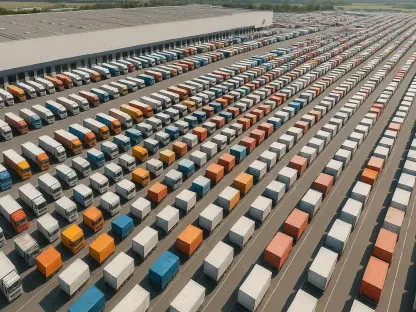

The persistent disruptions currently affecting major maritime corridors and international rail networks have created a critical bottleneck in the global movement of goods during the first half of 2026. This systemic instability, characterized by terminal overcrowding and unpredictable lead times, has necessitated a fundamental overhaul of supply chain strategies to protect high-value and time-sensitive cargo. In response, the China Federation of Logistics & Purchasing has spearheaded a massive expansion of the nation’s international air cargo network, introducing 80 new routes and more than 180 weekly round-trip flights. This initiative is not merely an expansion of capacity but a strategic move to create a high-speed transit pipeline that shields essential electronics and medical supplies from the volatility of traditional surface transit. By positioning the aviation sector as a primary stabilizer, the logistics framework aims to provide a mathematically consistent timeline for international trade, ensuring that the financial paralysis associated with stalled shipping containers is minimized. This transition represents a shift from reactive logistics to a proactive aerial framework that anticipates global gridlock and provides an immediate, high-volume solution for manufacturers requiring absolute reliability. The focus remains on bypassing traditional mega-hubs where cargo often stalls, thereby creating a more streamlined and resilient flow for the international commerce ecosystem.
Strategic Global Distribution and Network Expansion
Prioritizing Major Economic Corridors and Emerging Markets
The allocation of these new aerial routes focuses heavily on the Euro-Asian corridor, recognizing the vital importance of maintaining uninterrupted links between manufacturing centers and high-demand markets. Specifically, 35 new routes have been dedicated to Europe, with 33 additional routes established within the Asian region to facilitate the rapid exchange of components and finished products. These direct links to primary economic centers in Germany, France, the Netherlands, and Japan are designed to bypass traditional transit hubs that have become notorious for cargo delays. By establishing point-to-point connections, the network reduces the number of handling stages, which significantly lowers the risk of transit-related damage or misrouting. This approach is particularly beneficial for the just-in-time manufacturing sectors that dominate these regions, as it provides a level of logistical precision that maritime shipping cannot currently match. The ability to guarantee delivery windows allows businesses to maintain leaner inventories, reducing overhead costs while ensuring that production lines remain operational regardless of the conditions at sea.
Beyond established economic powerhouses, the strategy includes a robust expansion into emerging markets that have historically been underserved by high-frequency air cargo services. These new routes create essential bridges to regions that are increasingly becoming integral to the global high-tech supply chain, such as Southeast Asia and parts of Central Europe. By providing these areas with reliable access to the global pipeline, the initiative supports a more diversified and less centralized manufacturing base. The expansion ensures that industrial necessities and critical high-tech equipment can reach developing economic zones without the month-long delays common in traditional shipping. Furthermore, this network expansion acts as a catalyst for regional growth by integrating these markets into a high-speed logistical framework that was previously reserved only for the largest global cities. This shift toward a more inclusive and distributed aerial network reflects a broader trend of decentralized production, where speed and reliability are the primary currencies of successful international trade operations in a rapidly evolving market.
Addressing Transpacific and Global South Logistics
To stabilize the historically volatile Transpacific trade routes, ten new air cargo links have been deployed to North America, providing a crucial alternative to the congested West Coast ports. These routes are strategically timed to neutralize the logistical chaos that often peaks during high-demand seasons, offering a shielded itinerary for goods that cannot afford the risk of being stranded in a port queue. This aerial injection of capacity serves as a pressure valve for the entire Transpacific corridor, allowing high-priority shipments to skip the terminal friction that has plagued ocean carriers. By providing a consistent and high-frequency flight schedule, the initiative offers North American retailers and manufacturers a reliable way to manage their supply chains with a higher degree of certainty. This move is especially critical for industries dealing in seasonal electronics and perishable medical supplies, where even a week-long delay can result in significant financial losses or the total obsolescence of the inventory.
Furthermore, strategic entries into South America and Africa represent a forward-looking commitment to securing the global pipeline for critical infrastructure and industrial growth. These regions are often the most vulnerable to external shocks in the logistics sector, as they frequently rely on long-duration ocean transit that is susceptible to geopolitical disruptions. The introduction of dedicated air cargo routes to these continents ensures that emerging economies remain connected to the high-tech equipment and industrial necessities required for their continued development. This expansion into the Global South is not merely about increasing volume but about establishing a baseline of logistical resilience that can withstand systemic disruptions. By controlling both the points of origin and the high-speed delivery networks, the initiative provides a level of autonomy that reduces exposure to regional infrastructure failures. This comprehensive geographic coverage ensures that no major economic zone is left isolated, fostering a more balanced and robust international trade environment that prioritizes speed and security.
Infrastructure Resilience and Economic Analysis
Fortifying Domestic Logistics Hubs with Advanced Technology
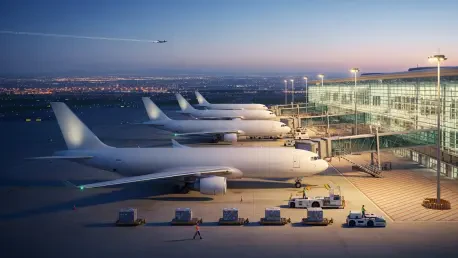
Supporting the massive expansion of the aerial network requires a parallel transformation of domestic infrastructure into high-capacity logistical strongholds. Major regional airports, including Guangzhou Baiyun and Shenzhen Bao’an, are currently undergoing extensive modernization to serve as the primary engines for this new cargo framework. These hubs are being redesigned to function as “operational fortresses,” equipped with the latest advancements in ground handling and cargo processing to ensure they can manage the influx of 180 weekly round-trip flights without creating internal bottlenecks. The focus is on increasing the velocity of cargo movement from the moment it arrives at the airport to the moment it is loaded onto the aircraft. This involves expanding warehouse capacity and optimizing the layout of airside facilities to minimize taxi times and loading durations. By concentrating resources on these key gateways, the logistical framework ensures that the speed gained in the air is not lost on the ground, maintaining the integrity of the high-speed transit pipeline.
The technological aspect of these upgrades is centered on the implementation of high-precision automated cargo tracking and sophisticated digital sorting systems. These technologies allow for real-time visibility into the status and location of every shipment, providing shippers with a level of data transparency that was previously unattainable. Automated sorting systems reduce the reliance on manual labor, which in turn minimizes the potential for human error and speeds up the processing of complex, multi-destination shipments. Additionally, the integration of advanced data analytics enables airport operators to predict peak periods and allocate resources more effectively, preventing the kind of terminal overcrowding that has paralyzed other international logistics hubs. These digital “nerves” of the infrastructure ensure that the system remains responsive and adaptable, allowing for rapid adjustments in flight schedules or cargo prioritization as global demand shifts. The modernization of these hubs sets a new global standard for airport efficiency, positioning them as the most reliable transit points in the international logistics grid.
Shifting Toward a Reliable and Autonomous Aerial Framework
The ongoing shift toward air cargo is largely driven by a significant decline in business confidence regarding the maritime transit model, which many high-value industries now view as unreliable. Ocean freight has increasingly become associated with a lack of transparency and a susceptibility to massive delays that can derail even the most carefully planned production schedules. In contrast, air freight offers a mathematically guaranteed timeline that allows companies to operate with a high degree of precision. This reliability is essential for sectors like high-end electronics, where the market window for new products is often extremely narrow. By utilizing a high-frequency aerial network, businesses can avoid the financial “paralysis” that occurs when capital is tied up in stalled shipping containers. The ability to move products from the factory floor to the global market in a matter of days rather than weeks provides a competitive advantage that far outweighs the higher cost of air transport for many manufacturers.
This strategy also aligns with the broader objective of enhancing logistics autonomy and reducing exposure to external geopolitical or infrastructure shocks. By building a robust, high-capacity air cargo network, the logistics sector creates a layer of insulation against the vulnerabilities inherent in shared global transit routes like the Suez or Panama canals. This autonomy is crucial for maintaining supply chain security, as it allows for the movement of goods through controlled and predictable channels. Furthermore, by capturing a larger share of the international logistics market, the initiative ensures that domestic manufacturers have a dedicated and reliable partner for their export needs. The focus on building a self-sustaining aerial framework reflects a strategic realization that control over the delivery network is just as important as control over the manufacturing process. As the global trade landscape continues to experience volatility, this autonomous aerial pipeline provides the necessary framework for a more resilient and secure international commerce ecosystem that prioritizes long-term stability over short-term cost savings.
Establishing a New Benchmark for Global Logistics Mobility
The massive overhaul of the international aviation strategy throughout the first half of 2026 successfully demonstrated that air cargo could serve as a primary stabilizer for global trade during periods of surface-level gridlock. Logistics experts and policy makers focused on creating a shielded delivery itinerary that effectively bypassed the friction points found in traditional maritime and rail networks. By providing a high-frequency aerial pipeline, the initiative ensured that critical sectors, such as medical supplies and high-value electronics, remained insulated from the risks of damage or obsolescence that often accompanied long-duration ocean transit. This strategic shift compelled other market participants to reevaluate their logistical standards, as the aerial network set a new benchmark for speed and reliability. The integration of advanced tracking and automated sorting at major hubs further solidified this framework, providing a level of transparency that became essential for modern supply chain management.
Moving forward, the emphasis must shift toward the long-term sustainability and further automation of this aerial infrastructure to maintain its competitive edge. Stakeholders should prioritize the adoption of next-generation sustainable aviation fuels and the continued development of autonomous cargo aircraft to reduce operational costs and environmental impact. Additionally, global shippers would benefit from integrating their inventory management systems more deeply with these high-speed aerial corridors to capitalize on the reduced lead times. The success of this 80-route expansion proved that a proactive, technology-driven approach to logistics could mitigate the effects of systemic congestion and provide a robust alternative for international commerce. Future considerations should include the expansion of this model into more remote regions, ensuring that the high-speed trade network remains truly global. By maintaining this commitment to infrastructure modernization and network resilience, the international trade community can ensure a more stable and predictable future for the movement of goods across all borders.