In the ever-evolving world of transportation logistics, shippers and carriers face the dual burden of limited resources and the need for constant adaptation. Environmental emergencies, geopolitical changes, and workforce shortages demand agile replanning, pushing stakeholders to find innovative
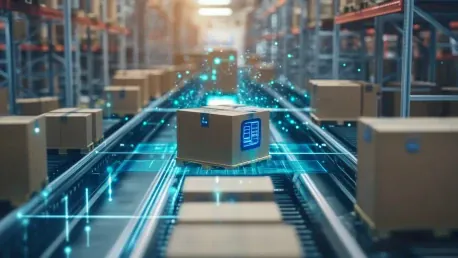
As supply chains continue to evolve rapidly, integrating advanced technologies has become essential for organizations aiming to enhance operational efficiency and foster innovation. The latest technological advancements are unlocking significant opportunities in supply chain management,
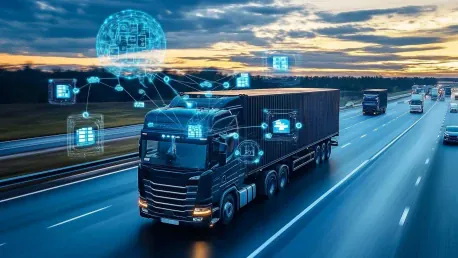
The transportation and logistics industry has long been a delicate balance of meeting delivery deadlines, managing operational costs, and ensuring the smooth flow of goods and services. Today, artificial intelligence (AI) is revolutionizing this sector, making logistics smarter, more efficient, and
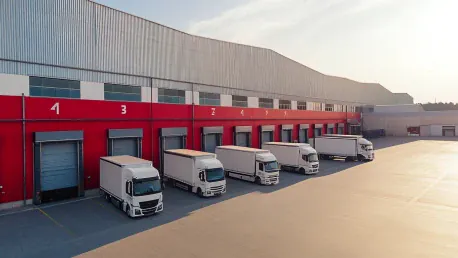
Breaking new ground in the logistics sector, FedEx recently introduced FedEx Surround® in UAE, an intelligent solution designed to revolutionize supply chain management and enhance shipment handling. By leveraging near real-time visibility, AI-driven predictive analytics, and superior handling

Smart contracts, powered by blockchain technology, are revolutionizing the way supply chains operate globally. This innovation addresses key issues of transparency, efficiency, and automation, promising solutions to longstanding challenges in supply chain management. Modernizing Procurement &

The logistics industry is witnessing a significant transformation thanks to the integration of artificial intelligence and advanced analytics, with companies leveraging these technologies to streamline operations and enhance service delivery. In this rapidly evolving landscape, FedEx, the largest