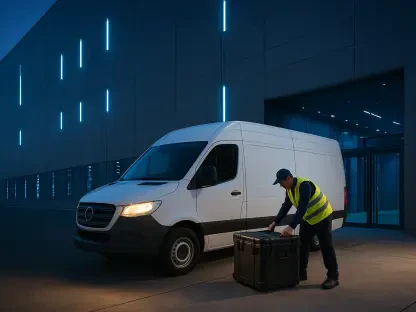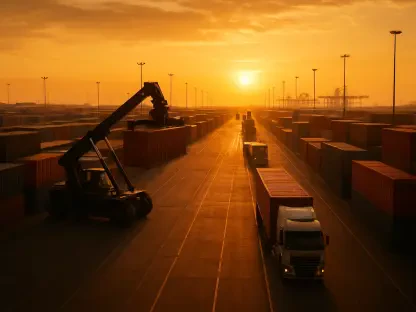

The seamless flow of global commerce often relies on the sophisticated synchronization of maritime routes and interstate trucking, yet the final few hundred yards of a journey frequently remain the most significant point of failure for modern enterprises. While multimillion-dollar investments in warehouse automation and cloud-based freight tracking have revolutionized the way goods move across continents, the physical space between the facility gate and the loading dock often functions as a data dead zone. This operational “black hole” disrupts the continuity of the digital supply chain, forcing site managers to handle high-value cargo using antiquated methods such as physical walk-arounds and manual radio calls. When a vehicle enters this unmapped territory, the visibility that stakeholders have spent millions to achieve suddenly vanishes, leading to cascading delays that impact labor productivity and inventory turnover. Resolving this disconnect requires a fundamental shift in how facility boundaries are perceived.
Identifying the Technological Gap in Logistics
The Persistent Blind Spot in Digital Operations
Even with the proliferation of real-time GPS tracking and advanced Enterprise Resource Planning systems, a striking disparity exists between the technology used on the open road and the systems governing yard activities. Recent industry evaluations reveal that fewer than 12% of large-scale logistics operations currently employ advanced analytics or automated positioning for vehicles once they cross the property line. This technical vacuum forces teams to revert to rudimentary tools like shared spreadsheets, paper logs, and endless phone calls to verify arrival statuses.
This specific breakdown in the digital thread occurs exactly when precision is most needed, turning a high-tech shipment into a manual tracking exercise. Without integrated visibility, the coordination between the incoming freight and the warehouse workforce becomes reactive rather than strategic. Consequently, the lack of real-time data prevents managers from identifying emerging bottlenecks before they result in site-wide congestion, effectively neutralizing the advantages provided by their upstream digital infrastructure.
The Financial Impact of Operational Inefficiency
The economic consequences of maintaining manual yard processes are both immediate and compounding, manifesting as a significant drain on corporate profitability and fleet efficiency. Research indicates that approximately 11% of all scheduled loading tasks must be rescheduled daily because of a fundamental misalignment between actual vehicle arrivals and designated dock times. These scheduling failures are not merely administrative inconveniences; they lead to substantial detention fees and driver dissatisfaction, further straining the already fragile relationships between shippers and carriers.
Furthermore, the operational paralysis caused by these inefficiencies results in drivers spending an average of two hours waiting for a dock at nearly half of all warehouse sites. This idle time reduces the overall utilization of the regional carrier fleet, effectively removing capacity from the market. By failing to modernize the transition point between the road and the warehouse, organizations inadvertently allow preventable logistical friction to erode their financial bottom line, creating a ripple effect that impacts the entire value chain.
Streamlining Operations with Integrated Digital Tools
Synchronizing Shipments via Smart Scheduling
Transitioning away from the traditional “first-come, first-served” approach is essential for any facility looking to optimize its throughput and reduce the chaos of unpredictable arrivals. By implementing digital time slot management systems, organizations can replace the frantic guessing game of daily traffic with a structured, appointment-based model that prioritizes high-value or time-sensitive freight. These platforms integrate directly with carrier portals, allowing drivers to book specific windows that align with the warehouse’s labor capacity and current inventory requirements.
When booking systems are synchronized with real-time GPS data, facility managers gain the ability to adjust internal operations before a truck even arrives. If a carrier is delayed by traffic, the system can automatically reassign the time slot to a vehicle that is already on-site or nearby, ensuring that dock doors never sit idle. This level of dynamic coordination transforms the yard from a source of delay into a flexible buffer that can absorb the inevitable variances of long-haul transportation, making the entire facility more resilient to external disruptions.
Reducing Friction through Automated Gate Management
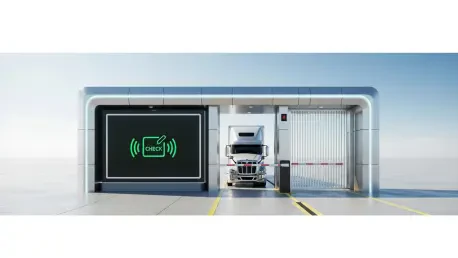
The facility gate often serves as the primary bottleneck where administrative hurdles and security protocols can grind operations to a halt, especially when manual paperwork is the standard. Implementing automated gate systems—utilizing technologies such as license plate recognition and mobile driver applications—allows for a contactless entry process that verifies identity and compliance in seconds. This digital check-in eliminates the need for drivers to exit their cabs or engage in lengthy verbal exchanges with gatehouse personnel, which is beneficial in multi-lingual environments.
By automating the validation of insurance and load references prior to arrival, the system ensures that only compliant vehicles are granted access. This proactive verification reduces the workload on security staff and prevents the yard from becoming clogged with unauthorized or unprepared drivers who would otherwise block traffic flow. Streamlining the entry point not only improves safety but also fosters a more professional environment that values the time of the carrier, ultimately making the facility a preferred destination for drivers across the industry.
Advancing Toward a Fully Transparent Supply Chain
Enhancing Performance with Milestone Tracking
A truly optimized yard relies on the complete digitization of every physical event, moving beyond the limitations of paper bills of lading toward comprehensive milestone tracking. By electronically timestamping every phase of the process—from the moment a trailer reaches the gate to the final seal check at departure—operators create a granular record of site performance. This data-driven approach removes the ambiguity that often plagues dispute resolution, as every delay or movement is documented within a centralized system accessible to both the shipper and the carrier.
These digital footprints do more than just simplify administrative tasks; they provide the raw data necessary to conduct audits into operational performance. Managers can identify specific shifts or carriers that consistently underperform, allowing for targeted interventions and process refinements. As the reliance on physical documentation fades, the speed of invoicing and information sharing increases, creating a transparent ecosystem where performance is measured by objective metrics rather than anecdotal evidence, ensuring long-term accountability.
Building Resilience through Data-Driven Coordination
The shift toward a data-driven yard environment successfully transformed what was once a persistent operational bottleneck into a strategic command center for the entire supply chain. Companies that adopted these integrated digital solutions realized substantial improvements in asset utilization while simultaneously slashing the costs associated with detention and idle labor. To achieve these results, management prioritized the integration of yard management systems into existing software stacks to ensure data continuity across all departments, which facilitated a more responsive distribution model.
Logistics leaders focused on long-term resilience recognized that the digital transformation of the yard was a fundamental requirement for survival. They prioritized the elimination of manual friction and championed the use of real-time analytics to orchestrate complex movements with ease. These organizations established clear protocols for automated data capture and invested in comprehensive employee training to bridge the gap between human expertise and automated precision. Ultimately, these smart technologies ensured that the supply chain remained a fluid and highly profitable loop.