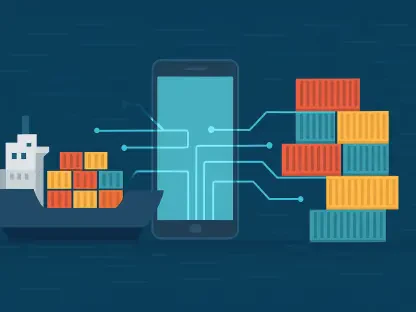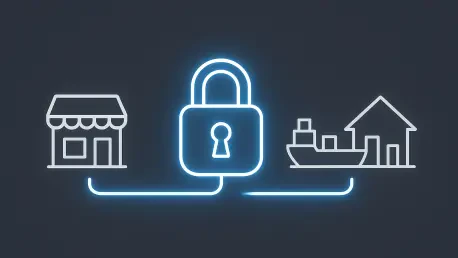

CEVA Logistics confirmed that the July 30 intrusion targeted systems managing delivery details, highlighting a critical gap in external supply chain security protocols. This incident serves as a reminder that consumer privacy is no longer confined to the retailer’s primary database. Instead, personal identifiable information (PII) traverses multiple hands, including freight forwarders and last-mile delivery providers. Each node in this complex ecosystem represents a potential point of failure. As commerce becomes more integrated, the perimeter organizations must defend has expanded beyond their internal servers. Cybersecurity professionals face the task of securing data they do not physically control. The interconnectedness of retail operations means a single vulnerability in a partner’s infrastructure can compromise millions of customer records, leading to identity theft and loss of brand trust. Every link in the chain must now be treated as a potential gateway for intruders to exploit vulnerabilities in the broader digital economy.
Vulnerability in Modern Logistics
The Risk: Lateral Movement Through Trusted APIs
Supply chain attacks have shifted from direct intrusions to lateral movements through trusted third-party integrations. When a logistics giant like CEVA experiences a breach, the ripple effect reaches numerous retail brands simultaneously. Hackers specifically target Application Programming Interfaces (APIs) and automated data exchange protocols that facilitate real-time tracking and inventory updates. These connections are often established with high levels of trust and persistent access, making them ideal entry points for malicious actors. Once inside a logistics provider’s network, attackers can harvest specific delivery details such as home addresses, phone numbers, and delivery instructions. This granular data allows for targeted social engineering campaigns, where scammers impersonate delivery drivers to extract sensitive information or install malware. The shared responsibility model in cybersecurity often leaves gaps where one party assumes the other is managing the encryption or validation of the data being transmitted between systems.
The Asset: Why Shipping Data Is Lucrative
The value of logistics data on the dark web stems from its inherent accuracy and timeliness, which distinguishes it from stagnant databases of older credentials. In the current landscape, threat actors recognize that shipping information is frequently updated and verified by consumers themselves. This makes the data incredibly lucrative for fraudulent activities, including package redirection and unauthorized account takeovers. Beyond identity theft, large-scale breaches in the supply chain can lead to corporate espionage, where competitors analyze shipping volumes and routes to gain strategic market advantages. Retailers often struggle to audit the security posture of every subcontractor involved in their distribution chain, especially when those partners utilize their own set of fourth-party vendors. This layering of abstraction creates a security debt that accumulates over time, often becoming visible only after a major disruption. Without standardized security audits across the entire logistics lifecycle, the risk of data leakage remains a persistent threat.
Strengthening Defensive Frameworks
The Shield: Zero Trust and Data Tokenization
Transitioning toward a resilient architecture requires moving away from legacy perimeter-based defenses and adopting a Zero Trust framework. This philosophy operates on the assumption that no user or system, whether inside or outside the network, should be trusted by default. Implementing mutual Transport Layer Security (mTLS) for communications between retail servers and logistics partners ensures that data is encrypted in transit and that both endpoints are authenticated. Furthermore, the use of tokenization can significantly reduce the risk profile of shared data. By replacing sensitive information like residential addresses with non-sensitive tokens, retailers allow logistics providers to fulfill orders without ever having access to the actual PII. If a breach occurs at the logistics level, attackers would find useless strings of characters rather than actionable consumer data. This proactive approach to data minimization ensures that only the minimum amount of information required for a task is shared, thereby limiting the potential blast radius of an attack.
The Outcome: Resilience Through Automated Governance
To maintain long-term resilience, businesses developed automated risk assessment platforms that continuously evaluate the security posture of their entire vendor network. These systems replaced the static, annual reviews of the past with dynamic monitoring that provides a real-time security score for every partner. When a logistics provider’s score dropped due to unpatched vulnerabilities, the retail system automatically restricted data access or rerouted shipments through secure channels. Leaders in the industry also invested in training programs to educate employees on the nuances of supply chain threats. This human-centric approach, combined with sophisticated technical controls, created a multi-layered defense strategy capable of evolving alongside cyber threats. By treating supply chain security as an ongoing process rather than a checkbox, companies successfully minimized the window of opportunity for attackers. The focus transitioned from simple protection to ensuring business continuity and maintaining the fundamental trust between global brands and customers.