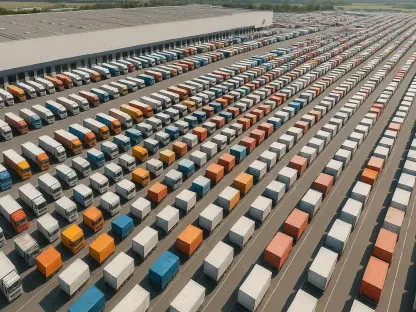

The announcement of a ten-billion-dollar logistics pact between the United States Postal Service and DHL eCommerce has sent ripples through the digital marketplace, signaling a profound shift in delivery dynamics. This deal reinforces a quarter-century relationship while adapting it for a future where speed and predictability are no longer luxuries but absolute requirements. By blending private sorting expertise with public delivery reach, the alliance sets a new benchmark for cross-sector cooperation in an increasingly demanding economy. This synergy between a national utility and a global logistics leader creates a framework designed to handle the evolving pressures of modern consumer demand.
Logistics Legacy: Decades of Cooperation
The weight of this $10 billion deal is rooted in the “workshare” model, a framework that has matured over several decades of operational refinement. Under this system, DHL and the postal service have operated by focusing on their respective core strengths to maximize efficiency. DHL eCommerce manages the complex initial stages of the journey, including merchant pickups and transportation across high-speed regional hubs. By the time a package enters the final leg of its journey, it is injected into the local postal network to utilize the most extensive residential delivery system in the nation.
This arrangement was originally born out of the necessity to manage the staggered growth of digital retail. Building a private nationwide delivery network that reaches every single household in the United States requires staggering capital expenditures and logistical complexity. By leveraging existing public infrastructure, private firms avoid these prohibitive costs while the postal service secures a steady stream of package volume to offset shifts in traditional mail revenue. This historical cooperation has essentially paved the way for the high-volume, low-cost shipping environment that businesses rely on today.
Market Shift: Analyzing Global and Domestic Supply Chains
Last-Mile Strategy: Optimizing Through Universal Utility
Formalizing the postal service as the primary last-mile provider for DHL’s e-commerce traffic addresses the “empty mile” problem with high precision. Since postal carriers already visit almost every doorstep six days a week, adding a DHL-originated parcel creates marginal cost advantages that benefit the entire supply chain. For retailers, this translates into consistent service for rural and remote customers without the steep “delivery area surcharges” typical of purely private carrier models. This model validates the role of public infrastructure as an essential engine for private commercial success.
Economic Stability: Growth for High-Volume Shippers
The multi-year duration of this contract provides a level of predictability that is exceptionally rare in the volatile logistics sector. When a carrier can lock in its last-mile costs and operational parameters for years, it can offer more stable pricing and service-level agreements to its own business clients. This stability is a significant boon for e-commerce brands that must forecast shipping budgets and manage customer expectations years in advance. Such financial certainty encourages aggressive growth targets by ensuring the final delivery phase remains secure and reliable even during peak seasons.
Delivery Evolution: Navigating the Shift Toward Hybrid Models
This deal highlights a broader industry trend where the lines between public and private delivery services are increasingly blurred. The postal service has secured similar collaborative agreements with other major players, suggesting that the future of logistics is a sophisticated web of partnerships rather than a winner-take-all competition. Integrating the tracking systems of a global firm with national legacy systems requires constant innovation in data protocols. Overcoming these complexities is essential for maintaining a seamless customer experience as shipping habits continue to evolve.
Innovation Roadmap: Anticipating Technological Integration
Looking ahead, this massive commitment acts as a catalyst for significant technological shifts across the industry. As the postal service continues its multi-year modernization plan, automated sorting facilities and a transition toward an electric delivery fleet will likely streamline the hand-off process further. These innovations make the regional injection of packages more seamless, reducing the time a parcel spends in the sorting phase. Additionally, the move toward data-driven logistics allows both parties to provide more granular tracking information to consumers, satisfying a critical demand in the modern marketplace.
Strategic Guidance: Recommendations for E-Commerce Businesses
To maximize the benefits of this alliance, merchants should audit their current shipping mix to leverage zone-skipping capabilities. Using DHL to transport goods closer to the final destination before injecting them into the postal network can significantly reduce both transit times and shipping costs. Furthermore, businesses should remain agile by utilizing multi-carrier shipping software that can dynamically choose the best route based on real-time service updates. Staying informed about the ongoing upgrades to postal facilities will also allow smaller players to compete more effectively with retail giants by using new, faster service tiers.
Historical Impact: Looking Beyond the Deal
The landmark agreement established a blueprint for how public infrastructure and private enterprise functioned in unison to support a growing digital economy. It moved beyond simple vendor relationships to create a foundational layer for the national supply chain that prioritized predictability and scale. Organizations that embraced these integrated networks found themselves better positioned to navigate the complexities of global trade and rising consumer expectations. This collaboration ultimately proved that the marriage of operational agility and universal reach was the most effective path forward for any business seeking sustainable growth in a competitive landscape.