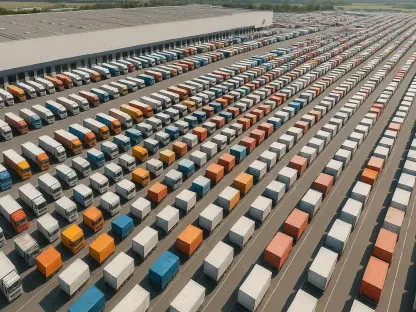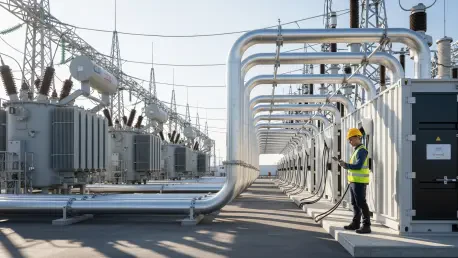

The sheer scale of electrical demand required to energize a single modern heavy-duty truck depot now rivals that of a small provincial town, creating an unprecedented strain on aging infrastructure. As the logistics sector undergoes a monumental transition from internal combustion engines to battery-electric trucks (BETs), the industry focus has fundamentally shifted. While initial discussions centered on vehicle range and battery chemistry, the primary bottleneck is now the physical and digital infrastructure required to power large-scale fleets. This evolution represents more than a change in vehicle technology; it is a complete reimagining of how energy is distributed across industrial zones. Distribution System Operators (DSOs) have emerged as the primary gatekeepers of this transition, tasked with the difficult job of balancing surging demand from heavy-duty charging alongside renewable energy integration and general industrial modernization.
This transition is particularly complex because the current grid was rarely designed to handle the concentrated, high-power loads that dozens of heavy trucks require simultaneously. When a fleet returns to a depot in the evening, the collective demand for power can create massive spikes that threaten local grid stability. Consequently, the focus for logistics companies has moved from merely procuring vehicles to securing enough “grid connection capacity” to keep those vehicles moving. In many regions, the speed at which a company can electrify its fleet is now dictated not by the manufacturer’s delivery schedule, but by the timeline for utility upgrades. This shift has forced the transport sector into a much closer, more technical relationship with the energy sector than ever before.
Key Drivers and Market Projections for Electric Freight
Emergent Trends and Technological Shifts in Depot Infrastructure
The most significant trend currently reshaping the industry is the move toward “grid-friendly” charging solutions. Rather than simply drawing as much power as possible as soon as a vehicle is plugged in, modern depots are adopting automated energy management systems (EMS) and smart charging protocols. These technologies allow for a more nuanced approach where charging is modulated based on current grid conditions and the specific operational needs of the fleet. The influence of software in this space has grown exponentially, creating new opportunities for energy consultants and software providers who can bridge the gap between complex logistics schedules and the fluctuating capacity of the local power grid.
Consumer behavior within the haulage industry is also evolving to prioritize what experts call “temporal flexibility.” Haulage companies are no longer viewing charging as a static event but as a variable process that can be scheduled around grid capacity. If a truck does not need to depart for several hours, its charging can be slowed down or delayed until the early morning hours when general demand is lower. This flexibility is becoming a valuable asset, allowing companies to avoid expensive peak-power surcharges and reduce the need for immediate, costly infrastructure upgrades at their sites. As a result, the integration of real-time data into fleet management systems is now a prerequisite for any large-scale electrification strategy.
Anticipated Growth and the Economic Outlook for Electric Fleets
Market data for the period from 2026 to 2028 suggests an aggressive ramp-up of electric heavy-duty vehicles across global logistics hubs, with performance indicators increasingly tied to grid connection speed. While the availability of vehicle models has improved, the total cost of ownership (TCO) is now heavily influenced by energy procurement costs and the efficiency of the charging infrastructure. Forecasts indicate that as battery costs continue to stabilize, the economic argument for electric fleets will become even more compelling, provided that the underlying infrastructure can keep pace. Forward-looking perspectives emphasize that the most profitable depots will be those that can integrate local renewable generation, such as large-scale rooftop solar, to offset grid demand.
The economic outlook is also being shaped by the emergence of high-power charging standards, including the Megawatt Charging System (MCS), which is designed specifically for the needs of heavy-duty transport. As these systems become more common, the demand for high-capacity connections will only increase. This creates a competitive landscape where the location of a depot is determined as much by its proximity to robust electrical substations as by its proximity to major highways. Companies that fail to secure adequate power capacity early in their transition risk being left behind as the industry moves toward a zero-emission standard.
Navigating the Technical and Structural Roadblocks to Grid Stability
The industry faces a formidable obstacle known as the “grid capacity barrier,” which is often exacerbated by fragmented markets and a lack of centralized coordination. In many regions, there are hundreds of different DSOs, each with their own processes and technical requirements, making it difficult for national logistics companies to implement a uniform electrification strategy. The central conflict lies in the rigid timing of logistics schedules—where every minute of downtime counts—versus the inherent instability of a grid that was designed for lower, more predictable industrial loads. If every depot in an industrial zone attempts to draw maximum power at the same time, the local infrastructure could face catastrophic failure.
To mitigate these risks, the industry is exploring strategies such as “peak shaving” through the use of stationary battery storage systems. By storing energy during periods of low demand or when local solar panels are producing a surplus, depots can reduce their peak draw from the grid during the busiest charging hours. Furthermore, the use of real-time data to throttle power intake during periods of extreme grid stress is becoming a standard operational procedure. This approach allows DSOs to manage the load more effectively without requiring the logistics company to disrupt its delivery windows. The success of these strategies depends on a level of transparency and data exchange between the utility and the customer that was previously unnecessary in the era of liquid fuels.
Regulatory Frameworks and Standards Governing Heavy-Duty Energy Use
A complex regulatory landscape is emerging to govern the interaction between industrial depots and the power grid. Significant new laws are moving toward requiring standardized, digital interfaces for data exchange between DSOs and fleet operators to ensure that both parties have a clear view of energy demand and availability. Compliance is no longer just about the safety of the vehicles themselves; it now extends to grid security and energy efficiency standards that dictate how and when power can be consumed. These regulations are designed to prevent local blackouts and to ensure that the transition to electric transport does not come at the expense of other essential grid services.
New regulatory frameworks are also expected to incentivize “flexible power specifications.” Under these arrangements, depots that agree to modulate their energy intake based on the health of the grid receive preferential tariffs or expedited connection approvals. This fundamentally changes the traditional model of site selection, as companies must now weigh the cost of land against the potential for favorable energy agreements. Furthermore, international standards for communication protocols are being established to ensure that charging hardware from different manufacturers can work seamlessly with various energy management systems. This standardization is critical for creating a resilient and scalable transport ecosystem that can handle the massive influx of electric vehicles.
Future Innovations and the Evolution of Intelligent Energy Management
The future of the industry lies in the seamless digitalization of the energy-logistics interface, where vehicles are no longer seen as just consumers of power but as active participants in the energy market. Potential market disruptors include vehicle-to-grid (V2G) technology, which allows the batteries in parked trucks to feed energy back into the grid during periods of high demand. This would transform depots into distributed power plants, providing a new revenue stream for logistics companies and a vital balancing tool for utility providers. As global economic conditions continue to prioritize decarbonization, the move toward treating trucks as flexible, mobile energy storage units will likely accelerate.
Innovation in forecasting software is also playing a critical role in this evolution, enabling depots to predict their energy needs with high precision up to 24 hours in advance. By combining route data, weather forecasts, and grid signals, these systems can optimize charging schedules to maximize the use of local renewable energy and minimize costs. This creates a symbiotic relationship where the grid uses the depot as a buffer for excess wind or solar power that would otherwise be wasted. As these technologies mature, the distinction between a transport hub and an energy hub will continue to blur, leading to a more integrated and efficient industrial landscape.
Strategic Recommendations for a Robust Electric Transport Ecosystem
The transition toward electric heavy-duty transport necessitated a fundamental rethink of industrial power consumption across the globe. Stakeholders recognized that grid expansion alone was an insufficient solution to the massive demand spikes caused by depot charging, opting instead for a fusion of digital intelligence and physical upgrades. The early engagement between logistics firms and utility providers proved to be the most critical step in avoiding long-term infrastructure delays. It became clear that the ability to harmonize delivery windows with grid capacity offered a defining competitive advantage for firms that prioritized energy management as a core operational competency.
Investment was directed not only into charging hardware but also into the complex software layers that enabled grid-oriented charging and real-time data exchange. These systems allowed for a more flexible utilization of existing connections, often enabling fleets to electrify faster than they previously thought possible. The successful integration of heavy-duty vehicles depended on a collaborative framework where data was treated as a resource just as valuable as the electricity itself. Ultimately, the industry moved toward a model where the time-sensitive world of logistics and the capacity-constrained world of the grid operated in a symbiotic, data-driven partnership that secured the future of zero-emission transport.