
The relentless pursuit of thirty-minute delivery windows has transformed city streets into a chaotic maze of idling vans and cardboard waste, forcing a critical reevaluation of the logistics sector. As the modern consumer continues to prioritize convenience, the logistical burden on the last mile has reached a breaking point, representing the most expensive and environmentally damaging portion of the entire supply chain. This final leg, which encompasses the journey from a regional distribution hub to the customer’s doorstep, now accounts for more than fifty percent of total shipping costs in most e-commerce models. Furthermore, without a significant shift in operational strategy, delivery-related carbon emissions in urban centers are projected to increase by nearly thirty-three percent by 2030. This reality has transitioned green logistics from a niche marketing angle into a fundamental requirement for operational survival and long-term profitability. Organizations are realizing that the old model of centralized, long-distance shipping is no longer sustainable under the weight of rising fuel costs and tightening municipal environmental regulations. Achieving a balance requires a complete overhaul of how goods move through the urban landscape, utilizing a combination of technological innovation and localized infrastructure to mitigate the environmental footprint without sacrificing the speed that customers expect.
Decentralizing the Supply Chain
The Strategy: Micro-Fulfillment Centers
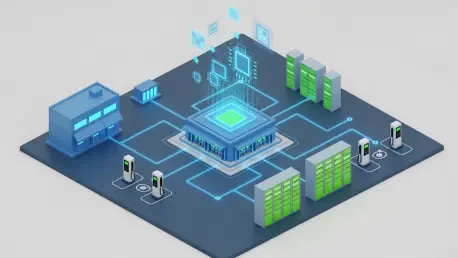
One of the most effective ways to reduce the environmental impact of shipping is to move inventory significantly closer to the final destination through localized fulfillment strategies. By shifting away from giant, centralized warehouses located on the outskirts of major cities and toward micro-fulfillment centers, brands can drastically cut the total miles a package travels. These smaller, often automated hubs are situated within dense urban environments, sometimes even utilizing repurposed retail space or basement levels of commercial buildings. This decentralized approach allows merchants to stage products in high-demand areas, effectively turning the shipping process into a short local trip rather than a long-distance haul. When goods only need to travel three miles instead of thirty, the energy consumption drops precipitously, and the logistical complexity of navigating highway traffic is largely eliminated.
Implementing this strategy effectively requires a sophisticated infrastructure that can handle rapid inventory turnover in a much smaller footprint than traditional warehouses. While the initial costs of securing real estate in prime urban locations can be substantial, the reduction in fuel consumption and the ability to offer faster delivery times provide a compelling return on investment. Furthermore, micro-hubs enable the use of smaller, more efficient vehicles that are better suited for city streets. This shift not only lowers the carbon footprint per parcel but also reduces the noise and congestion that typically accompany large delivery trucks. As urban centers become more restrictive regarding large vehicle access, these micro-fulfillment centers offer a future-proof solution that keeps goods moving without violating local zoning laws or environmental mandates.
Data Integration: Predicting Local Demand
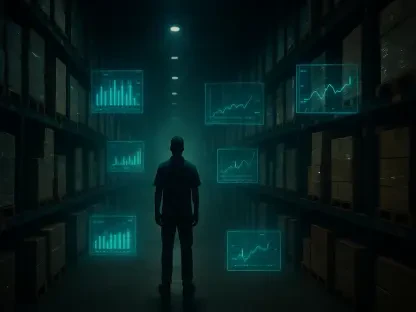
The success of a decentralized network hinges on the ability to anticipate exactly what products are needed in specific neighborhoods before the orders are even placed. By utilizing advanced data analytics and regional sales trends, business owners can determine exactly where to place their stock to maximize efficiency and minimize unnecessary transfers. This predictive stocking prevents the common issue of shipping an item from a distant warehouse because the local hub ran out of inventory, a mistake that doubles the carbon cost of a single order. Machine learning algorithms analyze historical purchase patterns, seasonal fluctuations, and even local events to ensure that the micro-fulfillment center is always stocked with the right mix of high-velocity goods. This precision turns inventory management into a proactive tool for sustainability rather than a reactive logistical hurdle.
While this model involves higher initial costs for distributed inventory and storage fees across multiple sites, the long-term savings in carrier rates and fuel costs often outweigh the upfront investment. The integration of real-time inventory tracking across a network of hubs allows for seamless redistribution, ensuring that a package never travels further than absolutely necessary. This level of transparency also provides customers with more accurate delivery windows, which reduces the likelihood of failed delivery attempts—a major contributor to last-mile waste. When data dictates the movement of goods, the entire supply chain becomes leaner and more responsive. By removing the guesswork from fulfillment, companies can maintain lower stock levels while still meeting the demands of the modern consumer, ultimately leading to a more profitable and environmentally conscious operation.
Adopting Eco-Friendly Transportation
Fleet Transition: The Shift to Electric Power
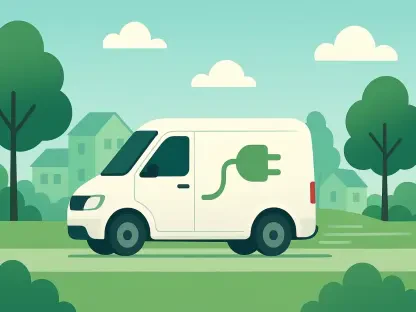
The transition to electric vehicles is a cornerstone of sustainable logistics, offering a viable way to eliminate tailpipe emissions during the high-frequency residential delivery process. Electric vans are particularly well-suited for the stop-and-start nature of urban driving, where traditional internal combustion engines are least efficient and most prone to excessive idling. Modern electric delivery fleets are designed with specialized cargo configurations that maximize space while maintaining the agility needed for narrow city streets. Beyond the clear environmental perks of removing carbon dioxide and nitrogen oxides from the air, electric vehicles offer significant financial advantages that appeal to the bottom line. The dramatic reduction in moving parts compared to gasoline engines leads to much lower maintenance and repair costs, providing a lower total cost of ownership over the lifespan of the vehicle.
To maximize the benefits of an electric fleet, companies are integrating smart charging infrastructure that draws power during off-peak hours or from renewable sources like onsite solar panels. This ensures that the energy used to power the delivery is as green as the vehicle itself. The quiet operation of these vans also allows for late-night or early-morning deliveries in residential areas where noise ordinances might otherwise prohibit commercial traffic. As battery technology continues to improve in 2026, the range of these vehicles has reached a point where they can comfortably handle a full day of urban routes without needing a midday charge. This reliability makes the switch from fossil fuels not just an ethical choice, but a practical operational upgrade that shields businesses from the volatility of global oil prices and increasing carbon taxes.
Alternative Mobility: Cargo Bikes and Urban Logistics
In high-density metropolitan areas where traffic congestion makes even electric vans slow and cumbersome, bicycle couriers and electric cargo bikes have emerged as a superior alternative for the last mile. These vehicles can navigate gridlock, use dedicated cycling lanes, and take advantage of parking flexibilities that are unavailable to four-wheeled trucks, providing zero-emission delivery in record time. Many cities have begun implementing low-emission zones that restrict van access entirely, making cargo bikes the only viable option for reaching downtown customers. This hyper-local approach allows urban merchants to offer same-day or even one-hour service without contributing to the smog or traffic noise that plagues modern city centers. The efficiency of a bike in a dense grid often surpasses that of a van, as the courier spends less time searching for parking and more time completing deliveries.
The adoption of cargo bikes also presents a unique opportunity for brands to lower their insurance and licensing costs, as these vehicles generally require less regulatory oversight than heavy commercial trucks. Furthermore, the physical footprint of a bike-based delivery system is minimal, requiring only small staging areas rather than large loading docks. This flexibility allows for a more agile response to spikes in order volume, as additional couriers can be deployed quickly without the need for a massive capital investment in new trucks. By integrating cargo bikes into the broader logistics network, companies can create a tiered delivery system where vans handle bulkier items to the outskirts while bikes manage the high-frequency, smaller packages in the heart of the city. This specialized approach ensures that the most efficient tool is used for every specific environment, optimizing both speed and sustainability.
Enhancing Efficiency and Circularity
Digital Tools: Optimizing Routes and Emissions
Sustainability in modern logistics is frequently the direct result of high-level operational efficiency, where every mile saved represents a measurable reduction in carbon output and fuel expenditure. Machine learning and route optimization software allow brands to plan the most effective delivery paths by analyzing real-time traffic data, weather conditions, and delivery windows. These tools group orders by proximity and optimize the sequence of stops to minimize idling time and eliminate redundant backtracking. By providing drivers with the most efficient route possible, companies can significantly reduce the total distance driven each day, which directly translates to lower emissions and reduced vehicle wear. This digital oversight also helps prevent the “failed delivery” trap by providing customers with hyper-accurate tracking notifications, ensuring someone is present to receive the package and avoiding the need for multiple energy-intensive trips to the same address.
For businesses that do not yet have the capital to maintain their own green fleets, integrated carbon-neutral tools and automated applications offer a way to mitigate their environmental impact through transparency. These systems calculate the specific carbon footprint of every individual order based on weight, distance, and vehicle type, presenting this information clearly at the point of sale. This data-driven approach allows customers to participate in the sustainability mission, often through a simple toggle at checkout that funds verified environmental projects like forest restoration or carbon capture technology. This level of transparency builds trust and allows the consumer to feel like an active participant in a responsible supply chain. When the true cost of shipping is visible and manageable, it encourages more thoughtful purchasing behavior and provides the merchant with the funds necessary to invest in further green infrastructure.
Sustainable Models: Consolidation and Pickup Strategies
The evolution of last-mile logistics reached a pivotal moment when companies began prioritizing the consolidation of shipments to eliminate the waste associated with multiple deliveries. In the past, a single order might arrive in three different boxes on three different days, but current strategies emphasized holding items for a single, combined delivery. By consolidating items into one package and using sustainably sourced, right-sized materials, brands significantly reduced both packaging waste and the total number of stops required per customer. Although this occasionally increased the time it took for a customer to receive their items, data showed that many shoppers were willing to accept a slight delay if they knew the choice supported an eco-friendly cause. This shift required a change in consumer psychology, moving the focus from sheer speed to a more balanced approach that valued environmental stewardship.
The most sustainable delivery was often the one that the merchant did not have to perform at all, leading to a massive expansion of click-and-collect models. This strategy shifted the final leg of the journey to the consumer, who picked up their items at local lockers or retail stores while already out for other errands—a concept known as trip chaining. This method eliminated the need for heavy shipping materials and protective fillers, as goods could be transported in bulk to a single pickup location. Retailers who successfully integrated these systems found that they not only reduced their shipping overhead but also increased foot traffic to their physical locations, creating new opportunities for face-to-face brand engagement. These diverse distribution models proved that profitability and green initiatives were not mutually exclusive but were instead complementary forces that reshaped the industry into a more resilient and responsible ecosystem. Moving forward, the focus shifted toward universal locker networks and standardized reusable packaging to further refine these efficiencies.