What happens when a single damaged rack in a bustling warehouse triggers a devastating collapse, risking lives and racking up thousands in damages? This isn’t just a hypothetical—it’s a stark reality in an industry where safety is often pushed to the back burner amid tight deadlines and soaring
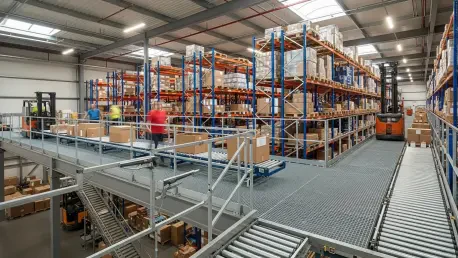
What if the key to solving a warehouse space crisis lies not in expensive expansions, but in the untapped potential of vertical space? Picture a bustling warehouse with shelves overflowing and operations grinding to a halt due to lack of room—yet the solution could be right above your head, waiting

Introduction and Context for the Review Imagine a bustling urban center where drones zip through the sky, ground bots weave through pedestrian traffic, and self-driving vans glide silently to doorsteps, delivering packages within hours of an order being placed. This is no longer a distant dream but

Setting the Stage: A Logistics Revolution Unfolds In 2025, the logistics sector stands at a critical inflection point, with artificial intelligence (AI) driving a seismic shift in fleet management and safety, transforming how the industry operates. Imagine a world where accidents are preempted

South Africa stands at a pivotal moment in its economic journey, grappling with a freight rail system that has long been a backbone of trade yet is crippled by inefficiencies, costing billions in lost opportunities. Imagine a nation where vital commodities like coal and iron ore struggle to reach
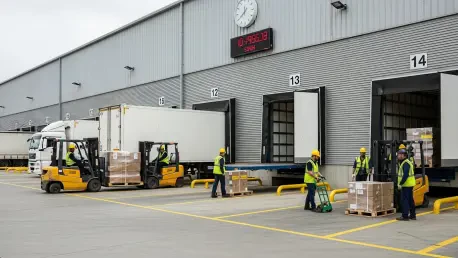
In the fast-paced world of logistics and warehousing, ensuring safety while maintaining efficiency has become a critical challenge for industry leaders across Europe and the UK. Every day, countless workers navigate the high-stakes environment of loading bays, where heavy machinery, fast-moving