
The current landscape of consumer packaged goods logistics is defined by a relentless drive toward precision where even a momentary lapse in synchronization can lead to massive financial losses across the global retail network. In an environment where business logistics costs have climbed to record heights, reaching approximately $2.6 trillion across the United States alone, the industry has reached a point where operational efficiency is the only viable path to maintaining profitability. Success in the modern era is no longer determined simply by the volume of goods sold but by the underlying ability to harmonize inventory levels, service requirements, and total landed costs within a highly volatile marketplace. High-performing organizations have transitioned away from reactive management toward a proactive model that emphasizes full visibility and strict adherence to global standards.
Maintaining this level of control requires a comprehensive understanding of how timing and coordination serve as the primary drivers of success. Because the industry operates on slim margins and high volume, the ability to utilize standards from GS1 and the FDA is a fundamental requirement for ensuring both regulatory compliance and operational fluidness. This guide provides a detailed overview of the strategies that enable organizations to maintain visibility across complex networks, allowing for better decision-making from the point of sourcing to the final delivery at the customer shelf. By integrating advanced tracking and data synchronization, companies can mitigate the risks associated with the high-velocity nature of modern commerce.
Navigating the High-Velocity World of CPG Logistics
Operating within the consumer packaged goods sector demands a level of agility that few other industries require, primarily because the speed of consumption necessitates an equally rapid replenishment cycle. Logistics managers must navigate a terrain where demand signals shift by the hour, influenced by social media trends, localized weather patterns, and competitive pricing strategies. The synchronization of these signals with physical logistics becomes a complex balancing act where the cost of holding inventory must be weighed against the catastrophic loss of a stockout. Consequently, the role of logistics has evolved from a back-office function to a core strategic pillar that directly influences brand equity and consumer loyalty.
The pressure to perform is further intensified by the rising expectations of both retail partners and individual consumers who now demand instantaneous availability and perfect order accuracy. As the infrastructure of global trade faces ongoing challenges, from labor shortages to fluctuating fuel prices, the ability to maintain a steady flow of goods requires a sophisticated combination of technology and human expertise. Effective management in this high-stakes environment involves the constant refinement of transportation routes, warehouse labor allocation, and inventory positioning. By treating the supply chain as a living network rather than a static pipeline, organizations can better absorb the shocks of market volatility while maintaining the service levels that modern commerce demands.
Why CPG Networks Demand a Unique Operational Approach
Unlike the supply chains for durable goods or custom-made machinery, consumer goods networks are characterized by their extreme volume and the short life cycles of the products themselves. These networks are built to handle massive SKU counts that must move through the system at high speeds to accommodate frequent replenishment cycles in grocery stores, big-box retailers, and e-commerce fulfillment centers. The complexity is compounded by the fact that many of these products are perishable or subject to strict expiration dates, which introduces a ticking clock into every logistical decision. This high-velocity environment means that even a minor forecasting error can quickly escalate into a major operational crisis, leading to either wasted product or empty shelves.
Furthermore, these networks must be designed to handle the specific demand swings driven by aggressive marketing promotions and seasonal peaks. When a brand launches a major advertising campaign, the supply chain must be ready to flood the market with inventory without overextending its resources. At the same time, the rise of multichannel distribution means that a single product might need to be routed to a large retail warehouse, a regional distributor, or directly to a consumer doorstep. Managing these distinct channels simultaneously requires a flexible operational framework that can adjust the flow of goods based on real-time priorities and cost-to-serve metrics. This unique set of pressures necessitates a specialized approach to supply chain management that prioritizes responsiveness over traditional, rigid planning models.
Mastering the End-to-End CPG Value Chain
Successful management of the value chain requires a holistic view that treats every step—from the procurement of raw materials to the final delivery—as an interconnected sequence of events. When one link in the chain experiences a delay, the repercussions are felt across the entire network, often resulting in increased costs and diminished service levels. Mastery of this process involves the implementation of rigorous controls and clear communication channels between different functional teams. By focusing on end-to-end synchronization, organizations can eliminate the silos that often lead to data discrepancies and operational bottlenecks, ensuring that everyone from procurement officers to warehouse managers is working from the same set of objectives.
1. Optimizing Sourcing and Strategic Supplier Coordination
The foundation of any resilient supply chain is established during the sourcing phase, where the primary objective is to secure high-quality raw materials and packaging components on a timeline that supports production. Strategic management at this stage involves more than just negotiating the lowest possible price; it requires a deep dive into supplier reliability and their ability to scale during periods of high demand. Procurement teams must build strong relationships with their vendors, treating them as partners rather than mere service providers to ensure that material flows remain consistent even when global markets are disrupted. This level of coordination is essential for preventing production delays that can derail the entire distribution schedule.
Managing Procurement Risks and Lead-Time Buffers
In the current landscape, identifying and mitigating procurement risks is a continuous process that involves monitoring geopolitical stability, environmental factors, and the financial health of key suppliers. To protect the organization from sudden disruptions, procurement strategies often include diversifying the supplier base to avoid overreliance on a single geographic region or vendor. Additionally, the implementation of strategic lead-time buffers allows the supply chain to absorb minor delays without impacting the final production deadline. By carefully calculating the standard deviation of delivery times, managers can set safety stock levels for raw materials that provide a necessary cushion against the unpredictable nature of global freight.
2. Aligning Manufacturing and Co-Packing for Maximum Throughput
Manufacturing represents the critical transformation point where raw materials are converted into finished goods ready for the consumer. Whether production happens in a dedicated company-owned facility or through a contract manufacturer, the goal is to align production output with actual market demand to prevent the accumulation of excess inventory. Achieving maximum throughput requires a meticulous approach to scheduling, where production runs are sequenced to optimize the use of equipment and labor. In 2026, the use of real-time data feeds from the sales floor has become the standard for adjusting manufacturing cycles, allowing for a more responsive and less wasteful production process.
Minimizing Changeover Delays and Capacity Constraints
One of the most significant challenges in manufacturing is the time lost during line changeovers when equipment must be cleaned and reconfigured for a different product SKU. Operational teams work to minimize these delays through standardized procedures and better scheduling, ensuring that the transition between different product runs is as efficient as possible. Furthermore, managing capacity constraints requires a proactive approach to equipment maintenance and labor planning to avoid unexpected downtime. By analyzing historical performance data, production managers can identify potential bottlenecks and invest in the necessary upgrades or process improvements to ensure that the facility can meet the required throughput targets consistently.
3. Implementing Advanced Warehousing and Inventory Controls
Effective warehousing is the anchor of the distribution network, providing the space and systems necessary to store, track, and rotate products with precision. In the modern warehouse, inventory control is not just about counting boxes; it is about maintaining a real-time digital twin of the physical stock to ensure total visibility across all channels. Advanced systems allow for better slotting, where high-demand products are placed in easily accessible locations to speed up the picking process. This level of organization is crucial for maintaining the high speeds required in today’s fulfillment environment, where every second saved in the warehouse contributes to a faster delivery time for the end customer.
Utilizing FEFO and FIFO to Protect Product Freshness
For goods with limited shelf lives, the implementation of strict inventory rotation logic is non-negotiable for protecting the financial health of the organization. Utilizing First Expired, First Out (FEFO) logic ensures that items with the closest expiration dates are shipped first, significantly reducing the amount of waste caused by expired inventory. In cases where products do not have specific expiration dates, First In, First Out (FIFO) logic is used to maintain a steady flow of fresh goods and prevent older stock from lingering in the back of the warehouse. By automating these processes through a robust warehouse management system, companies can ensure that the oldest sellable inventory is always prioritized, thereby maximizing the yield from every production run.
4. Streamlining Multichannel Distribution and Transportation
Transportation is the lifeblood of the supply chain, moving goods through a complex network of carriers and shipping modes to reach their final destination. The objective is to balance the need for speed with the necessity of controlling the total landed cost of every shipment. Logistics teams must manage a diverse array of transportation options, including full truckload, less-than-truckload, and final-mile delivery services, each with its own set of costs and service levels. Success in this phase is measured by the ability to deliver products on time and in full across a multichannel landscape, where the requirements for a retail pallet are vastly different from those of a single consumer package.
Balancing Speed and Cost-to-Serve Across Carrier Networks
Logistics managers utilize cost-to-serve analysis to determine the most efficient routing for every shipment, taking into account the distance, the urgency of the order, and the specific requirements of the receiver. By maintaining a diverse network of carrier partners, organizations can pivot their shipping strategies based on current market capacity and regional performance data. This flexibility is essential for mitigating the impact of rising freight costs or sudden carrier delays. Furthermore, the use of real-time tracking technology allows for better coordination between the warehouse and the receiving dock, ensuring that transportation assets are utilized effectively and that delivery windows are met with consistent accuracy.
5. Synchronizing Fulfillment Across Retail, Wholesale, and DTC
Fulfillment has become an increasingly complex operation as brands move toward a model that serves retail stores, wholesale distributors, and direct-to-consumer orders simultaneously. This multichannel approach requires a unified view of inventory that spans multiple nodes, including regional warehouses, local micro-fulfillment centers, and even brick-and-mortar retail locations. The challenge lies in ensuring that the right product is available in the right location to meet the specific service expectations of each channel. By synchronizing these fulfillment activities, organizations can improve their order accuracy while reducing the shipping distances and times associated with reaching the final customer.
Creating Intelligent Order-Routing Logic
To manage the complexity of multichannel fulfillment, brands implement intelligent order-routing logic that automatically determines the best shipping location for every order based on inventory levels and delivery costs. This logic allows the system to bypass traditional fulfillment hierarchies during periods of high demand, routing an order from a store if the primary warehouse is out of stock. Such allocation rules prevent the loss of sales and ensure that high-priority channels remain stocked even when the broader network is under pressure. By defining these rules in advance, supply chain teams can automate the decision-making process, allowing the organization to scale its fulfillment operations without a corresponding increase in manual labor or administrative overhead.
6. Managing Safety and Compliance Through Reverse Logistics
Reverse logistics is a critical but often overlooked component of the supply chain that manages the return of damaged, expired, or unwanted goods. In a highly regulated environment, the ability to handle these flows quickly and accurately is essential for maintaining product safety and meeting legal compliance standards. This process requires a dedicated workflow that can categorize returned items for disposal, refurbishing, or restocking while maintaining a clear paper trail for every transaction. By treating reverse logistics as a formal part of the operational cycle, organizations can recover some value from returned goods while ensuring that defective or unsafe products are permanently removed from the market.
Executing Rapid Recalls with Traceable Lot Data
In the event of a product safety issue, the ability to execute a rapid and precise recall is the most important test of a supply chain’s data integrity. Maintaining end-to-end traceability through lot and batch tracking allows an organization to isolate specific units that may be contaminated or defective, minimizing the scope of the recall and protecting the brand’s reputation. Modern systems enable managers to pull up detailed distribution records in minutes, identifying exactly which retailers or consumers received the affected items. This speed is vital for protecting public health and ensuring that the organization remains in compliance with strict FDA and GS1 tracking requirements, which have become even more rigorous as of 2026.
Key Takeaways for High-Performing Supply Chain Operations
High-performing organizations distinguish themselves by their commitment to synchronized planning, using Sales and Operations Planning (S&OP) to align demand forecasts with actual production capacity. This process involves regular cross-functional meetings where sales, finance, and logistics teams review performance data and adjust the operating plan to reflect current market conditions. By creating a single version of the truth, these companies avoid the internal friction that occurs when different departments work toward conflicting goals. Furthermore, the use of inventory segmentation techniques, such as ABC/XYZ analysis, allows managers to prioritize resources for the most critical products while maintaining lean operations for slower-moving items.
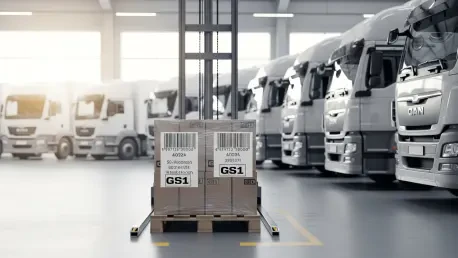
Data integrity remains the cornerstone of all successful supply chain operations, as it enables the visibility and traceability required for modern compliance and efficiency. Standardizing product identification through global barcodes and interoperable data formats ensures that information flows seamlessly between suppliers, manufacturers, and retailers. This standardization reduces the need for manual data entry and minimizes the risk of errors that can lead to shipping delays or inventory discrepancies. Additionally, maintaining operational agility through flexible routing and diverse sourcing strategies allows companies to respond quickly to sudden market disruptions, ensuring that the supply chain remains a resilient asset rather than a point of vulnerability.
Preparing for the Traceability and Volatility Shifts of 2026
The current operational environment in 2026 is defined by a shift toward total digital transparency, driven largely by the implementation of the FDA’s Food Traceability Final Rule. This regulation has moved the industry away from manual, paper-based tracking toward interoperable digital systems that capture key data elements at every stage of the product lifecycle. Organizations that have successfully navigated this transition are those that invested early in technology that merges ERP, WMS, and OMS functions into a single, cohesive data environment. This integration allows for real-time monitoring of product movement and condition, providing the level of detail necessary to meet the demanding requirements of both regulators and modern consumers.
Managing demand volatility has also become a more data-intensive process, requiring the use of advanced analytics to interpret the massive amounts of information generated by online and offline sales channels. In current 2026 operations, the ability to share data across the entire partner network is the primary factor that separates leaders from laggards. By collaborating with retail partners and logistics providers through shared platforms, brands can gain a more accurate view of true consumer demand, allowing them to adjust their production and distribution plans before inventory imbalances occur. The move toward this collaborative model has proven essential for handling the complexity of modern multichannel commerce and the ever-shifting expectations of the global marketplace.
Building a Resilient Foundation for Future Growth
The landscape of CPG supply chain management became increasingly complex as the year progressed, but the path to success remained rooted in disciplined execution and robust data management. By implementing the strategies outlined in this guide, from structured sales and operations planning cadences to intelligent order routing, organizations transformed their supply chains into formidable competitive advantages. The shift toward digital, interoperable systems ensured that companies met regulatory standards while simultaneously improving their ability to scale in a volatile market. Leaders in the field audited their visibility gaps and updated their traceability procedures to create a foundation that supported long-term stability and resilience.
These organizations recognized that the integration of technology and standardized data was not merely a matter of compliance but a fundamental requirement for operational excellence. The focus shifted toward creating a more responsive and transparent network that could anticipate disruptions rather than simply reacting to them. As the industry moved forward, the companies that prioritized end-to-end synchronization and collaborative data sharing were the ones that maintained the highest service levels and the healthiest margins. The lessons learned during this period demonstrated that a resilient supply chain is built on a combination of strategic foresight, technological investment, and an unwavering commitment to data integrity.