
The modern transportation landscape demands an unprecedented level of precision where the margin for error in regulatory compliance has effectively vanished due to heightened legal scrutiny and evolving federal standards. Fleet operators currently face a daunting environment where the manual verification of driver credentials and carrier insurance can lead to catastrophic financial consequences if overlooked during the fast-paced dispatch process. As the industry moves deeper into 2026, the necessity for integrated technological solutions has become the standard for companies aiming to maintain operational velocity without sacrificing safety protocols. The traditional disconnect between the back-office compliance team and the front-line dispatchers often creates a bottleneck that slows down revenue-generating activities while increasing the risk of unauthorized loads. To solve this, a shift toward automated validation is essential for any logistics provider looking to scale while protecting their brand reputation and bottom line.
Optimizing Dispatch Operations Through Strategic Technical Alliances
Bridging the Operational Gap: Integrating Safety into the Core Workflow
Bridging the operational gap between dispatch logistics and safety compliance requires a unified data architecture that eliminates the need for switching between multiple software platforms. When BeyondTrucks integrates with VLC, the result is a seamless flow of information where carrier qualifications are vetted automatically before a load is even assigned to a driver. This proactive approach ensures that every dispatch decision is backed by live data, significantly reducing the chances of a dispatcher accidentally assigning a load to an expired insurance policy or a carrier with a revoked DOT authority. By embedding these checks directly into the primary workflow, companies can transform their safety culture from a reactive audit model into a preventative gatekeeping system. This technical synergy allows the dispatch team to focus on route optimization, knowing that the underlying compliance checks are being performed by an automated engine that never tires or overlooks a small detail.
Mitigating Liability: Eliminating Manual Verification Hurdles in Real Time
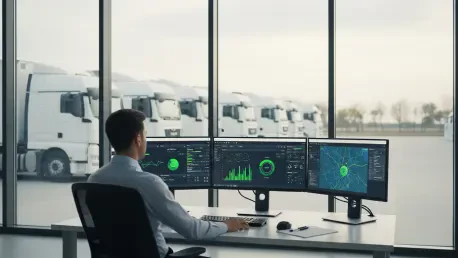
Operational efficiency is further enhanced by the removal of tedious manual data entry tasks that historically plagued the relationship between fleets and their compliance partners. Automated monitoring systems now allow for the continuous tracking of safety scores and insurance certificates, triggering immediate alerts if a carrier falls below the established corporate threshold. This means that dispatchers are no longer required to make phone calls or wait for email confirmations to verify a carrier’s status during peak hours. Instead, the system provides a clear status indicator directly within the load management screen, enabling rapid decision-making for time-sensitive freight. This level of transparency not only protects the company from legal liabilities but also builds stronger relationships with reliable carriers. The elimination of friction in the dispatching process creates a competitive advantage by allowing for a more agile response to market fluctuations and urgent customer demands.
Technical Implementation and Long-Term Operational Impact
Streamlining Workflows: Empowering Personnel with Actionable Live Data
The digital transformation of the dispatch office relies on the ability to provide personnel with actionable intelligence that does not require manual interpretation or external research. By surfacing compliance data from VLC within the BeyondTrucks interface, the software provides a centralized source of truth for both safety managers and dispatchers alike. This integration ensures that the organizational safety policy is enforced consistently across all departments, regardless of individual experience levels or time pressures. Furthermore, the automation of these processes reduces the mental load on dispatchers, allowing them to manage a higher volume of loads without a corresponding increase in the risk of human error. As the industry evolves, the ability to maintain such high-fidelity data across the entire logistics lifecycle becomes a prerequisite for success. Organizations that leverage these tools can enjoy a more predictable operational environment where safety is an integrated feature rather than a separate hurdle.
Building Resilience: Strategic Advancements in Modern Fleet Management
The implementation of integrated compliance and dispatch tools represented a major milestone in the evolution of professional fleet management and safety accountability. Logistics leaders who adopted these automated frameworks successfully reduced their administrative overhead while seeing a decline in safety-related incidents and regulatory fines. It was observed that the synchronization of BeyondTrucks and VLC provided a foundation for resilient operations that could withstand the complexities of modern transport. Moving forward, companies should prioritize the consolidation of tech stacks to ensure safety data is never isolated from the dispatch workflow. Decision-makers are encouraged to audit existing manual processes and identify where real-time automation can replace error-prone human intervention. Investing in such systems was not merely a technical upgrade but a strategic move toward a more secure enterprise. By maintaining focus on integrated visibility, fleets prepared for the rigors of a regulated supply chain.