
A late pickup becomes the new normal
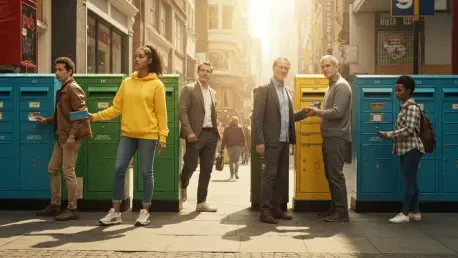
Are missed deliveries and porch theft pushing shoppers toward lockers as eBay links up with InPost across the UK to offer pickups at any hour and returns without queues? That daily friction has become a decisive factor for buyers who work irregular hours or live in shared buildings, and the appeal is plain: collect a parcel at 10 p.m., skip the doorbell drama, and move on.
InPost says parcel volumes have doubled year over year, and that momentum shows up on streets where lockers now flank supermarkets, petrol stations, and tube stops. The behavior shift is not just a city story; the combined reach of more than 12,000 lockers and thousands of parcel shops is pushing out-of-home from novelty to habit.
Why the locker pivot matters now
Shoppers now optimize for reliability over speed alone, favoring predictable handoffs that fit around life rather than dictating it. That puts out-of-home at the center of checkout choice, not an afterthought.
Marketplaces, in turn, gain by embedding locker selection inside the purchase flow. Friction falls when the map is native to eBay’s Simple Delivery, and sellers benefit from later cutoffs and queue-free drop-offs that stabilize dispatch rhythm.
Inside the integration and what users say
For buyers, the change is straightforward: select a locker or shop at checkout, receive codes via alerts, and collect or return on a personal timetable. “First-attempt success goes up when customers take charge of collection,” a logistics analyst noted, adding that failed delivery costs drop in parallel.
Sellers describe a different payoff. “Twenty parcels, one Saturday stop, fifteen minutes,” said a side-hustle merchant, citing no queues and instant scans. Operationally, predictable handovers curb variability, while offering out-of-home can lift conversion among customers who cannot accept daytime deliveries.
Proof points, caveats, and climate math
Industry studies have consistently linked lockers with fewer missed deliveries and tighter delivery time variance. Sustainability advocates highlight route consolidation, arguing that clustered drop-offs lower emissions per parcel in dense areas. “One van, many boxes, fewer miles,” as one expert put it.
However, constraints matter. Rural gaps can limit access, and size or weight caps rule out bulky goods. Clear onboarding—simple instructions, precise locker locations, real-time capacity—remains essential to keep first-time users confident.
What to watch and how to get value next
Shoppers can reduce travel time by choosing lockers along daily routes and checking size limits before paying. Sellers can make lockers the default for eligible items, batch drop-offs at off-peak hours, and add concise FAQs to set expectations on timing and returns.
For operations leads, the next step ran through measurement: A/B test delivery mixes, match SKUs to locker-friendly channels, monitor density to target promotions, and automate exceptions for fragile or oversized items. Done well, the eBay–InPost tie-up had signaled a pragmatic path toward a more secure, cost-stable last mile—one that rewarded clear choices, smarter routing, and consistent execution.