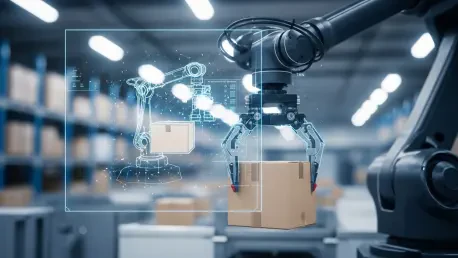

The standard for a high-performing distribution center has fundamentally shifted from how many physical units are buzzing across the floor to how effectively those units communicate with the core operating system. In the current landscape of 2026, the mere presence of advanced machinery is no longer a competitive advantage if that machinery exists in a vacuum without real-time data connectivity. Instead, the industry has fully embraced a model of interconnected intelligence, where the value of a robotic arm or an autonomous mobile robot is measured by its ability to sync with environmental sensors, legacy conveyor systems, and human labor without causing operational bottlenecks. This transition represents a significant maturation of the logistics sector, moving away from isolated mechanical power toward a holistic, software-driven ecosystem that prioritizes data fluidity. Success now hinges on the quality of communication between the digital directive and the physical response, ensuring that automation acts as a natural extension of the facility.
The Digital Brain of the Modern Warehouse
Bridging Business Logic and Physical Execution
The role of software has transitioned from a supporting feature to the primary driver of robotic efficiency, effectively acting as the digital brain for modern warehouse operations. Centralized fleet management software now serves as the vital link between high-level business logic and the physical execution of tasks on the floor, allowing for a level of precision that was previously unattainable. Integration with heavy-duty Enterprise Resource Planning platforms like SAP or Oracle is no longer an optional upgrade but a foundational requirement for any facility aiming to maintain a competitive edge. By feeding real-time operational data directly into these systems, managers can gain an unprecedented view of their inventory flow and labor productivity. This shift ensures that every movement a robot makes is informed by the most current business priorities, rather than operating on static or delayed instructions that lead to inefficiencies and wasted energy throughout the typical work day.
Automating the Workflow: Connecting WES to the Fleet
This seamless technological connection allows distribution centers to automate the entire lifecycle of a customer order without requiring constant manual oversight or intervention from human staff. When a Warehouse Execution System receives a batched order, it communicates directly with the robotic fleet to initiate specific picking and transport tasks across different zones of the facility. By removing the human middleman from routine decision-making processes, companies are effectively eliminating the complexity and unpredictability that plagued earlier automation attempts. What were once considered experimental science projects have now evolved into reliable, repeatable processes that can be scaled across multiple locations with minimal adjustments. The focus has moved from the novelty of the robot itself to the reliability of the workflow it supports, turning automated material handling into a predictable utility similar to electricity or water within the warehouse infrastructure.
Democratizing Automation and Proving Value
Expanding Access: The Rise of Brownfield Automation
Robotic technology has successfully moved beyond the exclusive domain of massive fulfillment centers to become a viable option for a wider range of existing facilities. A major trend currently shaping the market is the democratization of automation, as low-complexity mobile robots are increasingly deployed in brownfield sites to handle specific, labor-intensive manual tasks. This approach is particularly effective for operations dealing with high-SKU counts and low-volume orders that cannot justify the multi-million dollar expense of fixed conveyor systems. By utilizing flexible, autonomous units, these smaller or older facilities can optimize the movement of non-conveyable goods without needing to redesign their entire layout. This flexibility allows for a staged implementation of technology, where companies can start with a small fleet and expand as their needs grow, ensuring that automation remains an accessible tool for businesses of all sizes rather than just industry giants.
Digital Twins: Validating ROI with Empirical Data
As global economic landscapes become more volatile and investment capital remains scrutinized, warehouse operators are demanding stricter, empirical proof of a rapid return on investment. Providers are meeting this demand by utilizing digital twins and advanced simulation tools to test specific business cases using a customer’s own historical operational data before physical equipment is installed. This shift toward data-backed proof ensures that robotic systems can scale predictably, changing the sales conversation from the physical capabilities of a robot to the speed at which the system pays for itself. By creating a virtual replica of the warehouse, engineers can identify potential bottlenecks and optimize path planning in a risk-free digital environment. This preemptive analysis reduces the likelihood of costly errors during the physical rollout and provides stakeholders with the confidence that the chosen automation strategy will meet specific throughput targets and labor reduction goals.
Intelligent Navigation and Material Handling
Optimizing Flow: Task-Matching and Vehicle Selection
The scope of mobile robotics has expanded significantly, moving from simple parcel picking to the complex and high-stakes movement of heavy palletized loads across the warehouse floor. Rather than simply replacing a human-operated forklift with an automated version, industry leaders are now focusing on the concept of task-matching to maximize mechanical efficiency. This involves selecting the most appropriate vehicle for a specific journey, whether it be an automated lift truck for vertical stacking or a tow tractor designed for pulling multiple heavy trailers across long distances. By optimizing the vehicle type for the weight and distance of the load, facilities can eliminate the wasted time and energy associated with empty travel or using overpowered machines for light tasks. This strategic allocation of robotic resources ensures that every piece of hardware is utilized to its full potential, directly contributing to a higher overall throughput and a more streamlined material handling process.
Predictive Navigation: AI as a Force Multiplier
Artificial Intelligence serves as the primary engine behind the greatly improved spatial awareness that makes these heavy-duty robotic movements possible in crowded aisles. Modern robots possess the ability to read the room in real time, utilizing predictive navigation algorithms to anticipate the movements of human workers and other machinery. These collaborative features, such as human-following modes and contactless pushing, allow robots to act as force multipliers in hybrid environments where human judgment remains critical. By understanding the intent of those around them, robots can navigate complex paths without the need for fixed magnetic tape or extensive floor modifications. This level of environmental intelligence fosters a safer workplace while increasing the speed of operations, as robots no longer need to come to a complete halt every time an obstacle enters their path. Instead, they can make subtle adjustments to their trajectory, maintaining a steady flow of goods while ensuring the safety of personnel.
Universal Standards and the Future of Fleets
Breaking Down Silos: The Importance of VDA 5050
As companies continue to grow their robotic footprints, they are frequently faced with the logistical challenge of managing mixed fleets comprised of machines from various manufacturers. The emergence of the VDA 5050 standard has provided a critical open communication protocol that allows diverse robotic units to be managed by a single, centralized fleet manager. This breakthrough prevents the operational fragmentation that occurs when each robot brand operates within its own proprietary software silo, which previously limited the flexibility of warehouse managers. By adhering to a universal standard, facilities can pick the best robot for a specific task regardless of the brand, creating a more competitive and open market for automation solutions. This interoperability is essential for the long-term scalability of warehouse operations, as it allows for the integration of new technologies without the need to replace existing infrastructure or maintain multiple, redundant control systems.
Systems Thinking: Transitioning to the Robot-as-a-System
The era of viewing the robot as a standalone tool has officially ended, giving way to a more comprehensive perspective where the robot is treated as a component of a larger system. Leading operators now prioritize robotic solutions that are easy to install, simple to communicate with, and straightforward to justify from a financial perspective. By focusing on standardization and AI-enhanced connectivity, the industry is moving toward a frictionless environment where products move from the loading dock to the delivery door with maximum visibility. This systemic approach ensures that the data generated by each robot is harvested and analyzed to further refine warehouse workflows over time. As these systems become more integrated, the distinction between the physical robot and the software that controls it continues to blur, resulting in a unified platform that can adapt to changing market demands with minimal hardware reconfiguration to stay competitive in a fast-paced global economy.
Implementing Unified Automation Systems
The shift toward software-centric warehouse robotics proved that mechanical prowess alone was insufficient for the demands of a high-velocity supply chain. Operators who prioritized the integration of heterogeneous fleets and the adoption of open standards achieved significantly higher levels of operational agility than those who focused solely on hardware specifications. Looking ahead, the next logical step for organizations involved the deeper application of predictive analytics to manage the entire lifecycle of these robotic systems effectively. Maintenance schedules transitioned from reactive repairs to data-driven interventions that occurred well before a mechanical failure could disrupt the workflow. Furthermore, businesses discovered that success in this new landscape required a holistic strategy that treated data as the primary fuel for automation. Future investments should focus on upskilling the workforce to oversee these digital ecosystems, ensuring that every automated movement on the floor serves a specific and fully optimized business objective.