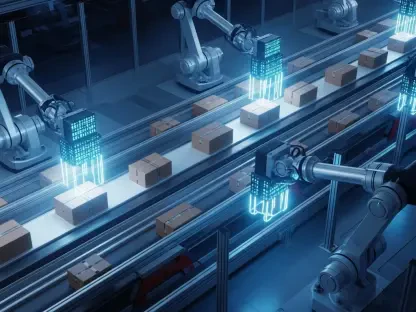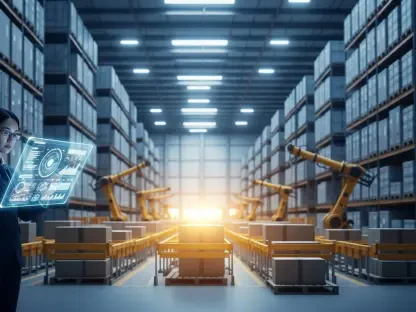

The once-overlooked logistics network of the general merchandise retail sector has decisively moved from a backroom cost center to the boardroom’s strategic nucleus, becoming the primary engine of modern commerce and brand differentiation. The forces driving this fundamental transformation are as relentless as they are clear: persistent labor shortages, escalating operational costs, and the unwavering consumer demand for speed, reliability, and a superior experience. In this environment, warehouse automation is no longer a forward-thinking luxury or a competitive advantage; it has become the foundational necessity for survival and growth. Consequently, the operational conversation has evolved, focusing not on the rationale for automation but on the strategic intricacies of its implementation. This shift is redefining everything from inventory management and workforce sustainability to the very nature of brand loyalty, marking a pivotal moment in the evolution of retail operations.
The New Automation Mandate
The imperative to automate has shifted the strategic conversation from if to how, presenting general merchandise retailers with a critical decision: develop a sophisticated automated infrastructure in-house or outsource these complex operations to a specialized third-party logistics (3PL) provider. Each path presents a distinct set of trade-offs. The in-house model, while demanding a significant initial capital investment and a steep organizational learning curve, offers the compelling long-term benefits of substantially lower operating costs and unparalleled control over processes and brand experience. This direct oversight allows a retailer to fine-tune every aspect of fulfillment to align with its specific brand promises. Conversely, partnering with a 3PL absolves the retailer of the direct burdens of supply chain management but typically incurs massive and continuous operating expenses that can erode margins over time, making the choice a crucial determinant of long-term financial health.
Regardless of the chosen path, the ultimate success of the strategy hinges on the selection of a trusted, experienced, and financially stable automation partner. For retailers building their own infrastructure, this partnership is essential for making informed decisions and realizing the expected return on a significant investment. For those opting to outsource, a proactive role is equally vital; retailers must press their 3PL partners to collaborate with reputable automation providers that can meet their unique business needs. The ideal automation solution must be multifaceted, demonstrating the ability to be both reactive in adeptly handling SKU proliferation and proactive through capabilities like intelligently changing source nodes. The long-term viability of the automation provider is paramount, as it guarantees the continuity of quality, support, and innovation necessary to keep pace with an ever-changing market.
Adapting to Unpredictable Demand
The modern retail landscape is increasingly defined by radical unpredictability, a dynamic largely fueled by the pervasive influence of artificial intelligence and social media. Phenomena such as the viral popularity of Stanley cups and Labubu figures demonstrate how demand for specific products can skyrocket overnight with minimal warning, rendering traditional forecasting models and inventory strategies obsolete. This volatility is further amplified by emerging technologies that compress the purchasing cycle. Augmented reality devices, like Meta glasses, now allow a consumer to identify a product in the real world and purchase it online in seconds, removing yet another layer of predictability from the retailer’s grasp. These massive, unforeseen volume spikes make legacy static automation systems, which are often rigid, difficult to modify, and lack the agility to scale, a significant operational liability.
To thrive amid this uncertainty, retailers are overwhelmingly turning to flexible automation technologies that are inherently modular and scalable. Industry-leading solutions like AutoStore systems and autonomous mobile robots (AMRs) have become dominant options because they allow operations to adapt quickly, scaling up or down in direct response to fluctuating demand. Complementing this agile hardware is the deep integration of AI-enabled software within the warehouse management system itself. These advanced technologies can perform “unsupervised” or “self-supervised” tasks—such as dynamic product slotting based on real-time demand, automated scaling of operational capacity, and even selecting the appropriate material handling equipment for a given task. This synergy of flexible hardware and intelligent software empowers retailers to meet the sudden, intense demand for “the next big thing” without the need for disruptive and costly manual intervention.
Building Resilience and Redefining Value
Beyond the challenges of viral consumer trends, general merchandise retailers must also navigate significant external business uncertainties, with international tariffs and pervasive economic instability posing direct challenges to established best practices like just-in-time inventory sourcing. Tariffs, for instance, force retailers into a difficult strategic dilemmpay duties and storage costs for goods that may not sell, scramble to source products at a premium price at the last minute, or face a complete inability to procure stock when demand finally materializes. To navigate this volatile environment, successful retailers are adapting their sourcing and storage plans to maximize operational flexibility. The most effective solution lies in leveraging on-site automation hardware specifically designed for dynamic and dense storage to create a strategic inventory buffer.
Technologies such as high-density pallet shuttles and automated stacker cranes (AS/RS) have become key enablers in this new strategy. These systems allow warehouses to make the most of their vertical space, dramatically increasing storage capacity without the costly and time-consuming process of expanding a facility’s physical footprint. This provides a cost-effective method for holding a buffer of inventory, giving retailers the flexibility to weather supply chain disruptions and respond to market fluctuations with confidence. At the same time, the very definition of consumer value is undergoing a profound shift. While Amazon’s promise of rapid delivery fundamentally reshaped expectations, sheer fulfillment speed is becoming less of a differentiator. A new “king” is emerging in its place: brand identification and unwavering loyalty, which are now the primary drivers of purchasing decisions.
The Strategic Pivot from Speed to Loyalty
As economic conditions continue to impact consumer spending, particularly for non-commodity goods, the costly race for ultra-fast fulfillment is yielding to a more nuanced strategy focused on cultivating a strong overall customer experience. Consumers are increasingly making purchasing decisions based on their connection with a brand, its reputation, and the value-adds it provides beyond simple product delivery. This brand loyalty is nurtured through a comprehensive approach that includes tangible benefits like free returns, surprise thank-you gifts included with orders, and robust customer rewards programs. These elements transform a transactional relationship into a lasting one, encouraging repeat business and positive word-of-mouth that is far more valuable than marginal gains in delivery speed.
Furthermore, ethical purchasing behaviors are gaining significant prominence, with a growing number of buyers willing to sacrifice faster shipping times to support companies they perceive as having a positive social or environmental impact. This trend is particularly pronounced within the context of a “K-shaped economy,” where consumers in higher economic brackets, who often purchase higher-cost goods, are more inclined to prioritize brand affinity and corporate values over the immediacy of delivery. The strategic implication for savvy retailers is clear: shift focus from the unsustainable and costly pursuit of speed and instead invest resources in cultivating a loyal customer base through these meaningful, brand-affirming value-adds, which ultimately drive greater long-term profitability.
A Retrospective on a Transformed Landscape
The widespread adoption of warehouse automation fundamentally altered the dynamics of peak period labor management. The traditional model, which involved hiring thousands of seasonal workers, was replaced by a more stable and efficient system. Automation “flattened the curve” of labor requirements by handling the most repetitive and physically demanding tasks, which drastically reduced the need for massive temporary staffing increases. This shift not only slashed the immense burden of hiring and training but also created a more sustainable and less stressful work environment for both full-time and seasonal employees. This newfound operational flexibility empowered retailers to create new, manufactured peak sales events throughout the year, similar to Amazon’s Prime Days, without the logistical chaos that once accompanied such initiatives. Ultimately, automation proved beneficial not just for the business’s bottom line but also for the well-being and stability of its entire workforce.