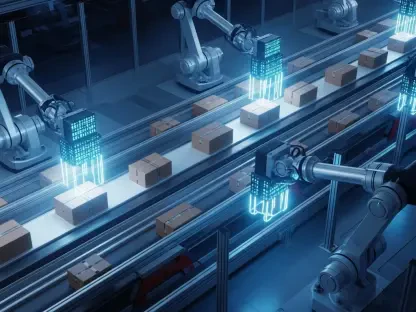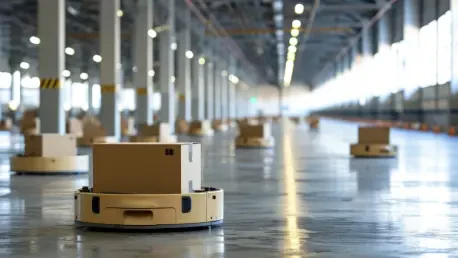

The image of a fully autonomous warehouse humming with robotic efficiency has captured the supply chain industry’s imagination for years, yet the reality on the ground paints a far more complex picture of cautious, deliberate implementation. Despite near-unanimous support from leadership and intense pressure from labor shortages and e-commerce demands, the path to automation is proving to be less of a sprint and more of a measured marathon. This gap between ambition and execution reveals a set of deeply practical challenges that organizations must overcome before the robotic revolution can truly take hold.
The Paradox of Widespread Interest and Slow Adoption
A significant disconnect currently defines the state of supply chain robotics. While industry conversations are dominated by the promise of automation, on-the-ground deployment moves at a much slower pace. This is not due to a lack of vision; rather, it reflects a cautious pragmatism. Company leaders understand the potential benefits but are grappling with the operational and financial realities of integrating these advanced systems into legacy environments.
The industry itself is divided. Current data shows that while nearly half of all supply chain organizations are in the pilot stage or have already deployed robotic solutions, a similarly large segment has no immediate plans for adoption. This split highlights that the central issue is not a fear of technology, but a direct confrontation with tangible, real-world barriers that prevent a seamless transition from manual processes to automated workflows.
Confronting the On-the-Ground Realities of Automation
The primary drivers pushing companies toward robotics are clear and compelling. Persistent labor shortages, the relentless growth of e-commerce fulfillment, and an overarching need for greater operational efficiency have created a powerful business case for automation. Robots promise to fill critical gaps, increase throughput, and enhance accuracy in environments where human capital is increasingly scarce and expensive.
However, moving from concept to reality requires more than just purchasing equipment. The core challenge lies in preparing the existing operational ecosystem for this technological shift. Only about a third of firms report feeling fully equipped for a robotics rollout, indicating a widespread infrastructure deficit. The majority recognize the need for substantial upgrades to their facilities, IT networks, and integration strategies to ensure that new robotic systems can function effectively alongside, and in concert with, existing warehouse management systems (WMS) and human workers.
Unpacking the Three Core Barriers to Deployment
A significant obstacle is the infrastructure gap. Most existing warehouses and distribution centers were not designed for robotic systems, requiring costly and time-consuming modifications. This can range from leveling concrete floors and optimizing facility layouts to upgrading Wi-Fi networks to ensure consistent, uninterrupted connectivity for a fleet of autonomous mobile robots (AMRs). Without this foundational work, the performance of even the most advanced robotics can be severely compromised.
Financial considerations present another major hurdle. The high upfront investment cost for robotic hardware and software is a primary deterrent for many organizations. Beyond the initial purchase, companies face the complex task of building a defensible business case that demonstrates a clear return on investment (ROI). This requires moving past a general belief in the benefits of automation and creating a concrete financial model that justifies the expenditure to stakeholders, a process that can be difficult and time-consuming.
Finally, a pronounced skills gap is hindering progress. Very few organizations possess the in-house technical expertise needed to manage, maintain, and scale robotic systems. This talent deficit shifts the focus during vendor selection toward solutions that are easy to integrate and come with comprehensive support. Notably, the concern is less about job displacement and more about role transformation. The consensus is that robots will handle repetitive, physically demanding tasks, creating new, higher-value roles focused on system oversight and maintenance.
Forging a Practical Path Toward Automation
To successfully navigate these challenges, organizations must adopt a strategic and phased approach. The first step is to conduct a foundational readiness audit, thoroughly assessing current infrastructure. This involves evaluating everything from Wi-Fi signal strength across the facility and floor surface quality to the compatibility of the existing WMS with modern robotics integration protocols. Identifying and addressing these foundational issues preemptively can prevent costly delays and performance problems later.
With a clear understanding of the infrastructural needs, the next step is to build a bulletproof business case. This moves beyond focusing solely on the initial capital expenditure. Instead, it should quantify the long-term value delivered through metrics such as increased order throughput, improved picking accuracy, enhanced worker safety, and the stabilization of labor costs over time. A comprehensive ROI analysis that accounts for these multifaceted benefits is crucial for securing executive buy-in.
The final piece of the puzzle is bridging the talent divide. This can be accomplished through a multi-pronged strategy that includes upskilling current employees through targeted training programs, strategically hiring for new technical roles, and partnering with robotics vendors that offer robust support and user-friendly interfaces. By proactively developing the necessary human capital, companies can ensure they have the expertise needed to not only implement but also sustain and scale their automation initiatives effectively.