
The integration of sustainable energy solutions within modern logistics hubs is no longer a peripheral concern for environmentalists but a central pillar of fiscal health in 2026. As global supply chains face mounting pressure from both eco-conscious consumers and stringent regulatory frameworks, the traditional warehouse model characterized by high energy consumption and excessive waste is undergoing a radical transformation. This shift is driven by a realization that environmental stewardship directly correlates with bottom-line growth. Modern facilities are now leveraging advanced energy monitoring systems and localized renewable sources to mitigate the volatility of traditional power grids. By addressing the carbon-heavy nature of distribution, enterprises are finding that they can simultaneously lower their overhead and improve their brand reputation among a demographic that increasingly audits the ethical footprint of its purchases. The transition represents a move toward a more resilient operational framework where resource conservation acts as a hedge against rising costs.
Maximizing Operational Efficiency: Resource Management and Longevity
Retrofitting aging structures with intelligent LED lighting systems and automated motion sensors has become a standard practice for facilities looking to slash their monthly utility expenditures immediately. These technological upgrades, combined with architectural modifications such as high-efficiency skylights that maximize natural daylight, significantly reduce the demand on the electrical grid during peak operational hours. Beyond lighting, the industry is seeing a shift toward sophisticated waste management strategies that move beyond basic recycling. This includes the implementation of right-size packaging algorithms that minimize the use of void-fill materials and the adoption of biodegradable, compostable protective wraps. The transition to reusable plastic pallets and high-durability transit containers eliminates the constant influx of single-use wood and cardboard waste. These initiatives streamline the entire fulfillment process by reducing the volume of material handling required for every shipment dispatched from the facility daily.
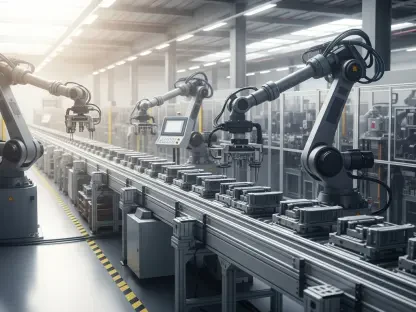
The long-term viability of a distribution center was fundamentally linked to the proactive maintenance of its mechanical assets and the lifecycle management of heavy machinery. By implementing rigorous diagnostic schedules and utilizing predictive analytics, facility managers successfully prevented forklifts and conveyor systems from entering landfills prematurely. This approach preserved natural resources and significantly lowered capital expenditure by extending the usable life of high-cost equipment. Moving forward, the industry adopted standardized environmental audits to ensure that eco-friendly cleaning supplies and sustainable consumables remained the norm rather than the exception. Organizations that prioritized these green initiatives secured a competitive advantage by aligning their fiscal strategies with planetary health. Future investments targeted decentralized energy storage and hydrogen-powered fleets to insulate operations from external shocks. The adoption of a comprehensive green strategy proved that profitability and sustainability were never mutually exclusive goals.