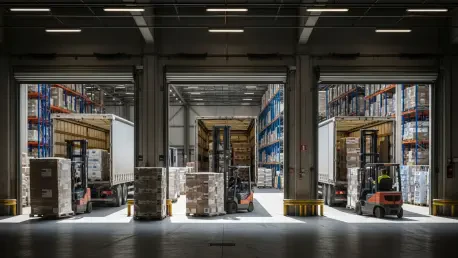

The modern supply chain operates under immense pressure where even minutes of downtime at a loading bay can create costly disruptions, making the seamless flow of goods through distribution centers more critical than ever. In this high-stakes environment, the once-overlooked loading dock is undergoing a profound transformation from a simple physical gateway into a highly intelligent, integrated, and data-driven nerve center. This evolution is driven by a pressing need for greater efficiency, enhanced safety, and a stronger commitment to sustainability. Premier industrial developments, such as the Horizon 29 scheme in Derbyshire, are becoming showcases for this new paradigm. Strategically located near major transportation arteries and built to the highest environmental standards, including BREEAM ‘Excellent’ and EPC A ratings, these facilities demand an infrastructure that is as advanced and forward-thinking as the business operations they are designed to support. They serve as a clear indicator that the future of logistics is not just about moving boxes faster, but about doing so more intelligently and responsibly.
Engineering the Future of Docking Efficiency
Advanced Mechanical Design for Modern Demands
At the core of the modern loading bay is a sophisticated suite of hardware engineered to withstand the rigors of constant use while maximizing safety and operational uptime. The latest installations feature a comprehensive package of components that work in concert to create a secure and efficient environment. This includes not only robust level access doors with impulse-controlled automation and vision panels for improved visibility but also a series of highly specialized docking solutions. For instance, advanced dock levellers provide a smooth and stable bridge between the facility floor and the truck bed, accommodating various vehicle heights and ensuring safe transit for forklifts and personnel. These are complemented by innovative dock shelters designed to create a tight seal around the trailer, protecting goods from the elements and preventing energy loss from the building. A key innovation in this area is the integration of a flat roof with a built-in rain channel on the shelter, which effectively diverts water away from the loading area. This simple yet ingenious design feature keeps the dock floor dry, significantly reducing the risk of slips and falls while protecting cargo from water damage. This physical infrastructure is further reinforced with a host of safety accessories, including heavy-duty wheel guides for precise vehicle alignment, integrated traffic light systems to control movement, and powerful dock lights to illuminate trailer interiors, all of which contribute to a safer and more productive workspace.
Revolutionizing Door Technology
A pivotal advancement in loading bay engineering is the reinvention of the sectional overhead door, moving beyond traditional mechanics to a more reliable and efficient design. The Crawford O#142P Dual Drive door represents a significant leap forward with its innovative springless and cable-free system. By eliminating these high-wear components, which are common points of failure in conventional doors, the design drastically reduces maintenance requirements and minimizes the likelihood of unexpected downtime. This not only lowers the total cost of ownership but also ensures that the loading bays remain operational when they are needed most. The dual-drive mechanism also enables the door to operate at higher speeds, shortening cycle times and accelerating the turnaround of vehicles at the dock. This speed, combined with a superior seal, significantly improves the building’s thermal efficiency. By minimizing the time the door is open and preventing air leakage when it is closed, the system helps maintain a consistent internal temperature, reducing the load on heating and cooling systems and leading to substantial energy savings. This focus on advanced engineering provides a foundation of reliability and cost-effectiveness that is essential for the fast-paced demands of contemporary logistics.
The Digital Transformation of the Loading Bay
The Power of Smart Connectivity and Data
The true leap into the future for logistics infrastructure comes from the integration of digital technology, turning a collection of high-performance hardware into a cohesive, intelligent system. Modern entrance solutions are now being equipped with smart connectivity through platforms like ASSA ABLOY Insight, which serves as a central hub for digital entrance management. This technology empowers facility managers with the ability to monitor and control every loading bay door and leveller remotely from any device with an internet connection, be it a desktop computer, tablet, or smartphone. This remote oversight provides real-time status updates, operational data, and critical alerts, offering an unprecedented level of visibility into the flow of goods. By collecting and analyzing data on door cycles, usage patterns, and energy consumption, businesses can move from a reactive to a proactive operational model. These insights allow managers to identify bottlenecks, optimize schedules for peak efficiency, and implement predictive maintenance strategies to address potential issues before they cause a failure. This data-driven approach transforms the loading bay into a source of valuable business intelligence, enabling companies to streamline operations, cut costs, and make more informed decisions.
Fostering a Safer and More Sustainable Future
The convergence of state-of-the-art mechanical engineering and smart digital platforms creates a powerful synergy that directly supports the overarching industry goals of enhanced safety and sustainability. The energy-efficient design of modern doors, which minimizes heat loss, works in tandem with the digital management system’s ability to ensure doors are not left open unnecessarily. This combined effect dramatically reduces a facility’s overall energy consumption and carbon footprint, helping it achieve and maintain prestigious environmental certifications. On the safety front, the digital platform adds a crucial layer of intelligent oversight. Managers can remotely verify that all doors are secured after hours, monitor traffic flow to prevent accidents, and receive immediate notifications of any malfunctions or safety breaches. This constant monitoring and control create a more secure and safe working environment for all personnel. By delivering a fully integrated, future-ready solution, these smart loading bays equip distribution centers to meet not only the demands of today but also the evolving challenges of tomorrow’s logistics landscape, where automation, data integration, and operational transparency will be paramount.
A New Era for Logistics Gateways
The comprehensive integration of advanced mechanical systems and intelligent digital controls marked a definitive shift in how the industry viewed the loading bay. No longer a passive entry point, it was re-envisioned as an active and critical node within the supply chain, capable of generating valuable data and enhancing operational agility. The successful implementation of these interconnected technologies in premier facilities demonstrated a clear pathway to achieving greater efficiency, superior safety standards, and a more sustainable operational footprint. This evolution established a new benchmark, proving that the fusion of robust hardware and smart software created a logistics gateway that was not only more reliable and cost-effective but also inherently prepared for the future. The result was an infrastructure that provided tangible, immediate benefits while offering the scalability and intelligence required to adapt to the increasingly complex and automated world of modern commerce.