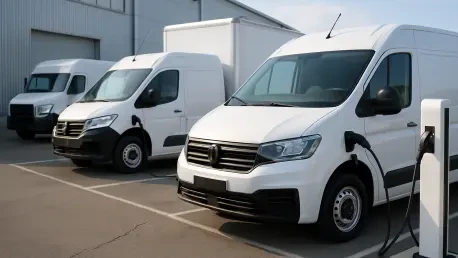

The commercial fleet industry has officially moved past the pivotal question of whether to embrace electrification; the conversation now centers squarely on the strategic execution of how to transition efficiently and sustainably. This decisive shift is not merely a response to evolving corporate responsibility goals but a direct result of powerful market and regulatory forces, most notably the UK’s Zero Emission Vehicle (ZEV) mandate. This legislation creates an undeniable downstream effect, signaling a clear market trajectory that makes delaying the switch to electric vehicles (EVs) increasingly impractical for businesses. With the 2030 target requiring 80% of new car and van sales to be zero-emission, the operational necessity is clear. This regulatory push is further supported by government incentives, such as depot charging grants and temporary exemptions from vehicle excise duties for electric vans, which provide a crucial layer of financial stability. As the landscape matures, offering a greater selection of vehicles and a growing library of success stories, navigating this new phase demands a sophisticated approach grounded in three core pillars.
Defining Internal Ownership for a Streamlined Transition
A primary obstacle that continues to hinder progress in many organizations is the absence of clearly defined internal ownership over the electrification initiative, which often results in fragmented decision-making, inaccurate data collection, and a disjointed overall strategy. To overcome this, leading businesses are assigning formal responsibility to a dedicated individual or a cross-functional team, a move that transforms a complex and often overwhelming undertaking into a structured, manageable process. Establishing this clear line of authority is fundamental; it creates the accountability needed to drive the project forward with the necessary velocity and focus. This designated leadership becomes empowered to proactively address the multifaceted challenges inherent in the transition, from managing dynamic energy consumption and navigating grid capacity limitations to overseeing the intricate logistics of charge point installation. By centralizing responsibility, organizations can ensure that the electrification journey is not a secondary task but a core strategic priority, guided with precision and purpose.
While a dedicated team provides the essential structure, it is also acknowledged that comprehensive expertise in this rapidly evolving domain must be actively cultivated over time. Traditional experience in fleet and operations management offers a valuable starting point, but it must be augmented with new competencies in areas such as advanced energy strategy, grid infrastructure management, and charging technology integration. The process of actively engaging with the transition allows these teams to ascend the learning curve rapidly, turning a potential hurdle into a source of significant competitive advantage. The success of early adopters has powerfully illustrated the benefits of this focused and prioritized approach. These organizations demonstrate that by dedicating resources, seeking expert guidance, and treating electrification as a fundamental business objective, it is possible to effectively test, learn, and scale EV fleets with confidence. This methodical approach ultimately makes the entire transition smoother, faster, and more rewarding for the business.
Unlocking Financial Viability with Creative Charging Strategies
The substantial upfront capital expenditure and ongoing operational costs associated with charging infrastructure remain a significant financial barrier for many businesses seeking to scale their electric fleets. Successfully navigating this challenge requires a strategic shift away from simplistic, one-size-fits-all solutions toward more creative, data-driven, and flexible charging models. A critical early decision involves determining the optimal mix of charging locations, whether relying exclusively on depot charging or incorporating a more dynamic model that includes public or home charging options. This choice is further complicated by practical constraints, including limited grid capacity at commercial sites, physical space limitations for new installations, and the potential impact on staffing schedules and driver routines. The key to unlocking cost-effectiveness lies in leveraging data to inform these strategic decisions, moving beyond guesswork to build an efficient and resilient charging ecosystem that meets specific operational needs without incurring excessive costs.
The foundation for an economically sound charging strategy is the detailed analysis of telematics and energy data to gain a deep understanding of existing vehicle usage and charging patterns. These insights allow for the implementation of simple yet powerful optimizations, such as shifting charging schedules to off-peak hours to capitalize on lower electricity tariffs and reduce strain on the local grid. Further cost reductions can be achieved by actively diversifying energy sources and reducing dependence on grid-supplied power. This includes installing on-site renewable generation, such as solar panels, and strategically deploying battery storage systems to capture and store low-cost energy for later use. Moreover, the emerging concept of treating vehicles as mobile energy assets through Vehicle-to-Grid (V2G) technology presents a future opportunity to not only cut costs but also generate revenue. To ease the initial financial burden, businesses are increasingly exploring flexible financing options and forming strategic partnerships that can turn a daunting capital expenditure into a manageable and sustainable investment.
Navigating the Next Frontier of Heavy Goods Vehicle Electrification
As businesses gain proficiency in electrifying their car and van fleets, the next significant wave of innovation that will define the industry is the electrification of Heavy Goods Vehicles (HGVs). These vehicles contribute approximately 16% of the UK’s domestic transport emissions, yet their transition to electric power has lagged due to their immense energy requirements and the technological challenges involved. This gap represents a substantial opportunity for decarbonization and is becoming a critical area of focus for achieving national environmental targets. The hurdles to HGV electrification are familiar, mirroring those faced during the early adoption phase of electric vans, but they are magnified significantly. These challenges include the limited availability of electric HGV models, substantially higher upfront vehicle costs, and the immense demands that their charging needs will place on both private depot infrastructure and the public charging network, requiring a new level of planning and investment.
Despite these considerable challenges, the forward trajectory for the HGV market is becoming increasingly clear. As the underlying technology matures and early adopters begin to demonstrate a viable business case, the market will inevitably evolve. This evolution will catalyze the necessary development of high-powered depot and public charging networks capable of supporting these larger vehicles, which will, in turn, enable a smoother and more cost-effective integration into commercial fleets. The essential takeaway for fleet and facilities decision-makers is the imperative to begin planning for HGV electrification now. By proactively applying the lessons learned from the electrification of smaller cars and vans—particularly regarding detailed infrastructure planning, sophisticated energy management, and necessary operational adjustments—businesses can position themselves to capitalize on this next major phase of the transition. Proactive preparation will be the key differentiator between those who lead the charge and those who are left behind.
From Adoption to Advantage a New Commercial Reality
The commercial vehicle landscape has fundamentally transformed, marking a definitive shift from tentative adoption to strategic implementation as the core of successful fleet electrification. The journey was no longer about simply acquiring electric vehicles but about architecting a holistic ecosystem that supported them. Businesses that thrived established clear internal ownership, transforming a complex challenge into a structured, accountable process that drove progress. Furthermore, they moved beyond basic infrastructure and embraced creative, data-informed strategies to manage the intricate costs and logistics of charging, turning a significant expense into a competitive asset. Finally, the most forward-thinking organizations began laying the groundwork for the next frontier of HGV electrification, applying lessons from their initial transitions to prepare for a more demanding but equally crucial phase. By dedicating resources early and fostering a culture of adaptation, these companies effectively turned the challenge of electrification into a powerful and lasting business advantage.