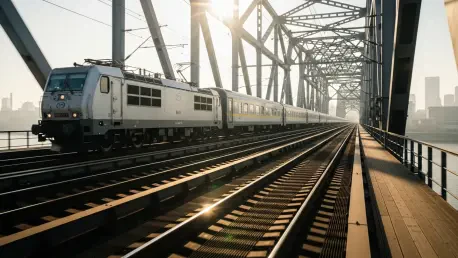

The rhythmic clatter of steel wheels on aged tracks serves as a constant reminder that the backbone of North American transit is currently undergoing a period of profound stress and transformation. As urban populations swell and the demand for greener transportation intensifies, major rail providers find themselves caught between the limitations of decades-old technology and the urgent need for modern reliability. This roundup examines how agencies are pivoting their strategies to keep passengers moving while navigating the volatile waters of state and regional financing.
The High Stakes of Modernizing Aging Rail Infrastructure
The current rail landscape across North America is defined by a striking paradox: ridership is rebounding to levels that demand high-capacity service, yet the physical equipment often dates back to a different century. Maintaining these systems is no longer just a matter of convenience but an economic and environmental necessity for growing urban corridors that rely on rail to mitigate traffic congestion. Without reliable service, the connectivity that fuels metropolitan economies risks a slow decline into obsolescence.
Transit agencies today are forced to balance immediate emergency procurement strategies with the pursuit of long-term fiscal stability. This requires a dual focus on tactical fixes that address current fleet shortages and broader advocacy efforts aimed at securing permanent capital. The following analysis explores how leaders are managing these pressures, from sourcing pre-owned vehicles to fighting for legislative support in the face of looming funding cliffs.
Tactical Solutions and Financial Hurdles in Passenger Rail
The Strategic Pivot: Pre-Owned Rolling Stock
The Southeastern Pennsylvania Transportation Authority (SEPTA) has recently demonstrated a pragmatic approach to equipment shortages by looking toward the secondary market. The $8.58 million acquisition of Bombardier coach cars from Quebec’s Exo system represents a shift from waiting for slow-moving new orders to securing functional, existing assets. This move highlights a growing trend among transit providers who prioritize immediate capacity over the shiny appeal of brand-new, yet distant, fleet replacements.
Integrating these Canadian cars into the Pennsylvania system involves complex technical adjustments to ensure compatibility with ACS-64 electric locomotives. Beyond the logistics of transport, the vehicles must undergo safety retrofits and door system modifications to meet specific local standards. While some critics argue that “stopgap” solutions merely delay the inevitable need for a fully modern fleet, proponents suggest that the speed of procurement for used cars is the only viable way to prevent drastic service cuts in the short term.
Responding to the Silverliner IV: Infrastructure Crisis
The urgency of these acquisitions is underscored by the crisis surrounding the Silverliner IV fleet, which comprises a massive portion of Philadelphia’s regional rail capacity. Following mandates from the Federal Railroad Administration for rigorous inspections, many of these 50-year-old units were sidelined, creating a vacuum in daily operations. To prevent a total collapse of the schedule, SEPTA has had to intensify maintenance schedules for the remaining cars while leaning on external partnerships.
Recovery efforts have been bolstered by a multi-pronged plan that includes leasing equipment from Maryland’s MARC service and utilizing a $220 million capital infusion from the state government. This funding, while substantial, serves primarily to stabilize operations during a period of peak vulnerability. It illustrates the high cost of deferred maintenance and the necessity of high-level political intervention when legacy infrastructure finally reaches its breaking point.
The Heartland Flyer: Fragility of State Subsidies
In the South Central United States, the Amtrak Heartland Flyer serves as a cautionary tale of how political cycles can threaten even successful rail routes. Despite rising passenger numbers, the link between Texas and Oklahoma faced a potential shutdown due to budget omissions in the Texas legislature. This situation reveals the inherent instability of rail services that rely on biannual legislative approvals, which can be subject to shifting political priorities regardless of the service’s utility.
Regional councils have stepped in with “lifeline” interventions, providing millions in emergency funds to bridge the gap left by state-level inaction. However, these temporary fixes do not provide the long-term certainty needed for capital improvements or service expansions. The disconnect between the proven economic value of the route and its precarious funding model remains a primary hurdle for advocates who seek to move beyond emergency survival mode.
Bridging the Gap: Advocacy and Marketing
To counter skepticism among lawmakers, transit authorities are increasingly turning to data-driven advocacy and destination-based marketing. By highlighting milestones—such as the 81,000-passenger mark on the Heartland Flyer—officials are making the case that rail is a public necessity rather than a discretionary luxury. These efforts aim to humanize the data by showing how people use the train to access cultural landmarks and economic centers, thereby proving the tangible return on investment.
This shift toward aggressive marketing serves as a template for other regional routes facing similar financial uncertainties. If agencies can successfully demonstrate the ease and utility of rail to the public, they create a stronger political base for permanent funding. The goal is to move away from the “funding cliff” cycle and toward a model where regional connectivity is viewed as a foundational component of state infrastructure.
Best Practices for Maintaining Service Continuity During Fleet Transitions
The recent maneuvers by SEPTA and Amtrak provide several takeaways for other agencies facing similar hurdles. A primary lesson was the necessity of diverse equipment sourcing; by not relying solely on a single manufacturer or a single new order, agencies can better weather mechanical failures or delivery delays. Aggressive, proactive maintenance scheduling must also be prioritized to extend the life of legacy fleets without compromising passenger safety or service frequency.
Strategic recommendations for the future include securing more diverse funding streams that reduce over-reliance on single-source state budgets. By leveraging regional partnerships and local council contributions, transit authorities can build a more resilient financial buffer. Furthermore, stakeholders must recognize the long lead times in the global rail manufacturing market and begin the procurement process years before equipment reaches the end of its life cycle to avoid the need for emergency measures.
Securing the Future of Regional Connectivity
The collective experiences of transit leaders highlighted the reality that healthy ridership alone was not enough to guarantee the longevity of rail systems without sustained capital investment. It became clear that proactive fleet modernization and legislative advocacy had to work in tandem to prevent service degradation. Stakeholders shifted toward a more holistic view of passenger rail, recognizing it as an essential public utility that required a national commitment to infrastructure resilience. By addressing the physical and financial cracks in the system, these efforts laid the groundwork for a more stable and connected regional transit network.