
With decades of experience in logistics and a keen eye for the intersection of technology and public infrastructure, Rohit Laila has become a sought-after voice on the complex challenges facing urban environments. As New York City welcomes a new, uniquely different mayor in Zohran Kwame Mamdani, Laila offers his analysis on the ambitious transit agenda set forth. This conversation delves into the practical hurdles and political realities behind the promises of “free and faster” buses, exploring the tension between populist vision and institutional constraints, the challenges of technological transitions like the OMNI system, and the powerful role of symbolism in urban politics.
Your personal background as a regular bus rider and immigrant from Uganda is quite different from past mayors. How does this lived experience shape your vision for transit, and what specific initial steps will Transportation Commissioner Mike Flynn take to deliver on your promise of faster buses?
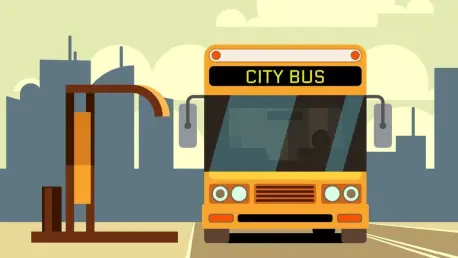
It’s a fundamental shift in perspective. When a leader has actually experienced the daily frustrations of the system—the long waits, the slow-moving traffic—their vision isn’t just based on spreadsheets and reports; it’s rooted in a visceral understanding of what needs to change. Mamdani arriving at rallies from the back of a city bus wasn’t just a photo-op; it was a declaration of his identity as a user of the system he now oversees. This lived experience is why his first move, even before the sun came up on his first full day, was appointing Mike Flynn. This isn’t a symbolic choice; it’s a practical one. Flynn has a decade of experience within the department and worked with “Gridlock Sam” Schwartz’s firm, a legend in urban planning. This signals an immediate focus on the tangible, street-level work of making buses faster: dedicated bus lanes, traffic signal priority, and better enforcement. They’ll be looking at the nuts and bolts of street management to deliver on that “faster” promise right away.
You’ve championed “free and faster” buses, but the MTA is a state-controlled agency where the city has limited voting power. What is your practical strategy for overcoming this political hurdle, and how will you persuade state officials that forgoing bus fare revenue is a sound investment?
This is the central political challenge of his transit agenda, and there’s no easy answer. The math is brutal: the mayor nominates only four of the thirteen voting members on the MTA board. He can’t dictate policy; he has to persuade. The strategy can’t be about exercising direct power, because he doesn’t have it. Instead, it has to be about building an undeniable public and political case. He’ll have to argue that the revenue lost from bus-only trips is a small price to pay for the enormous economic benefit of increased mobility for working New Yorkers, faster boarding times, and a more efficient overall system. However, convincing state officials and Governor Hochul will be incredibly difficult. The MTA, while in decent shape for now, is always concerned about its financial stability. Asking them to voluntarily give up a revenue stream, no matter how compelling the social argument, is a monumental ask. It seems highly unlikely they would agree to a fully fare-free system, so the negotiation will likely be about smaller pilot programs or targeted fare relief rather than a sweeping city-wide change.
The recent elimination of cash fares on buses in favor of the OMNI system could create barriers for New Yorkers without smartphones or easy access to subway stations. What concrete measures will your administration implement to ensure this transition doesn’t exclude the unbanked or elderly?
This is a classic example of how a technological advancement can unintentionally create an equity crisis. The MTA’s move to eliminate cash just three days into Mamdani’s term puts his populist administration in a tough spot. A system that requires a smartphone or a trip to a subway station to load a card is inherently exclusionary for significant parts of the population, especially in the outer boroughs where subway stations are sparse. The most critical measure his administration must push for is a massive expansion of the OMNI retail network. It’s not enough to have machines in subway stations. They need to ensure that people can walk into their local corner store, their bodega, their newsstand, and use cash to buy or add value to an OMNI card. The goal must be to make accessing the transit system as easy as buying a lottery ticket. Without a robust, decentralized, cash-friendly network, the OMNI system risks creating a two-tiered transit system: one that’s seamless for the tech-savvy and banked, and another that’s a frustrating obstacle course for everyone else.
Your inauguration at the historic but largely inaccessible old City Hall subway station was a powerful symbol. How do you balance such symbolic gestures with your populist message of serving all New Yorkers, and could you use your influence to make such spaces more publicly accessible?
The inauguration was a masterstroke of political symbolism. Holding it in that magnificent, Gilded Age station immediately linked his administration to the grand, ambitious history of New York City transit. It was visually stunning. But the critique that it was a ceremony for the “political elite” in a space most New Yorkers can’t access is very potent. A museum membership costs $65 and the tour itself is another $50—that’s $115 to see a public work that originally cost a nickel to visit. This creates a real tension with his message of governing for the masses. The way to resolve this is to turn that symbol into a tangible public good. He should absolutely use his mayoral influence to lean on the MTA and the Transit Museum. He could champion opening the station for special “open house” weekends where the public can visit for free, or advocate for creating a much more affordable, accessible tour program. Transforming that beautiful, exclusive space into a place that truly belongs to the people would be a powerful way to prove his populist promises are more than just rhetoric.
To fund your ambitious affordability and transit agenda, you will need to work with “establishment” figures and state leaders who have expressed skepticism. What is your plan for building these crucial political alliances, particularly when it comes to securing funding and support from Albany?
He won by defeating an establishment figure, so there’s natural skepticism and a lack of trust from that wing of the party. He can’t govern as an outsider forever; he needs to build bridges to Albany. The key is to leverage his popular support into political capital. He established the Office of Mass Engagement on his second day, a move designed to mobilize the 100,000 volunteers from his campaign and engage directly with everyday New Yorkers. The plan should be to use this office to demonstrate overwhelming public demand for his policies, like higher taxes on corporations and the wealthy to pay for universal childcare and housing. When state legislators see a massive, organized constituency in their districts clamoring for these changes, it becomes much harder for them to say no. It’s about translating street-level energy into legislative pressure. He has to show that his agenda isn’t just the wish list of a Democratic Socialist, but the urgent will of the people they are all meant to represent.
What is your forecast for New York City’s public transit system over the next four years?
My forecast is a story of progress on two different tracks, moving at very different speeds. On the ground level, I’m optimistic. With a hands-on commissioner like Mike Flynn, I expect we will see real, tangible progress on the “faster buses” promise. We’ll see more dedicated bus lanes, better enforcement, and smarter traffic management. These are the kinds of achievable goals that a focused city administration can deliver. However, the larger, more revolutionary changes—like making buses “free”—will be stuck in a much slower, more contentious political battle with Albany. The mayor simply doesn’t have the institutional power to make that happen on his own. The big fight will be over funding and fares, and that will be a long, drawn-out negotiation. So, the forecast is for a system that gets incrementally better and more efficient on a day-to-day level, while the major structural and financial questions remain the subject of intense political debate. The ultimate success of his tenure will depend on whether he can win not just the battle on the streets, but also the war of influence in the state capital.