
The rapid acceleration of the Philippines’ digital economy has created an undeniable and cascading impact on the nation’s supply chain, forcing logistics providers to fundamentally rethink their operational models to meet escalating consumer expectations. This shift from traditional freight to integrated, tech-driven solutions marks a pivotal moment for the industry. As online transactions become increasingly commonplace, the underlying infrastructure for moving goods—from warehousing to the final doorstep—is under immense pressure to evolve, setting the stage for strategic repositioning among key market players.
The Evolving Landscape of Philippine Logistics
Charting the Archipelago’s Supply Chain Network
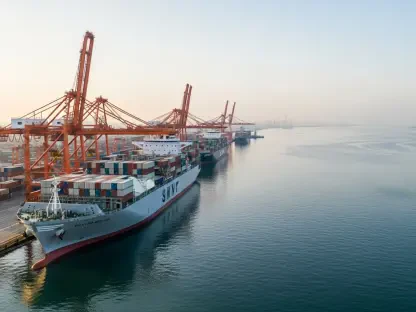
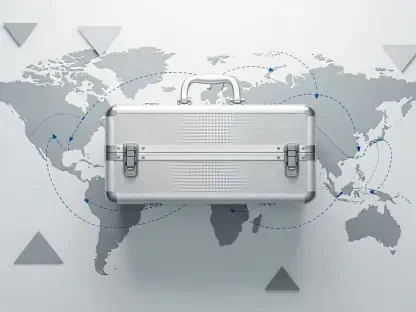
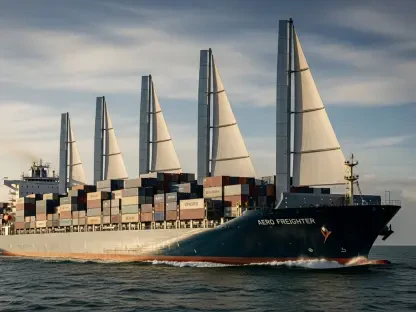
Operating within an archipelago of over 7,000 islands presents inherent logistical challenges that define the Philippine supply chain. Establishing a seamless network requires a multi-modal approach, integrating sea, air, and land transport to connect manufacturing hubs with remote consumer markets. Companies that successfully navigate this complex geography are those that can offer reliable and consistent service across disparate regions, effectively shrinking the distance between businesses and their customers.
This intricate environment has spurred the development of sophisticated hub-and-spoke models, where major ports and urban centers act as central distribution points for surrounding provinces. The efficiency of these networks is paramount, as delays in one part of the chain can cause significant disruptions downstream. Consequently, investment in inter-island shipping and regional warehousing has become a critical differentiator for logistics providers aiming for comprehensive national coverage.
Key Players and Technological Shifts in Freight Forwarding
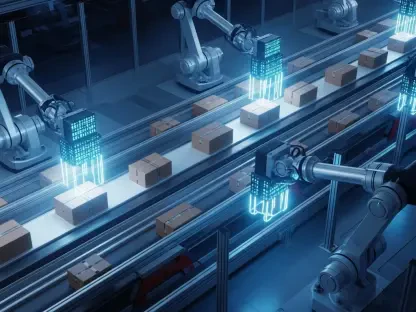
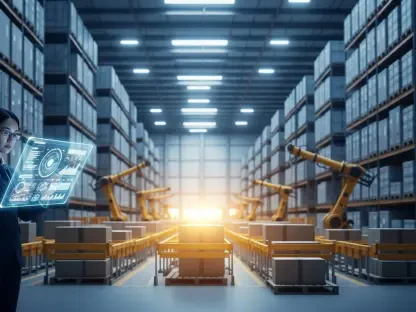
The freight forwarding sector is experiencing a significant transformation, driven by the adoption of digital technologies. Automation in warehouses, real-time tracking systems, and data analytics are no longer niche advantages but essential tools for survival and growth. These innovations allow for greater visibility into the supply chain, enabling companies to optimize routes, manage inventory more effectively, and provide customers with accurate delivery timelines.
This technological arms race is intensifying competition among both established logistics giants and agile new entrants. Players who invest in building a smarter, more responsive freight ecosystem are better positioned to handle the increasing volume and complexity of modern commerce. The focus is shifting from simply moving goods to providing value-added services, such as customized fulfillment solutions and predictive analytics, that help clients streamline their own operations.
Riding the Digital Commerce Wave
How a $36 Billion Digital Economy is Fueling Logistics Demand
The Philippine digital economy, now valued at a staggering $36 billion, serves as the primary engine for logistics expansion. This explosive growth is largely attributable to the widespread adoption of e-commerce platforms, which have fundamentally altered consumer purchasing habits. Every online order, from electronics to daily groceries, generates a corresponding need for warehousing, packing, and delivery, creating a direct and proportional surge in demand for logistics services.
This boom is not confined to metropolitan areas; it extends to provincial and rural regions, creating a nationwide requirement for robust fulfillment capabilities. As more Filipinos embrace online shopping, logistics providers are tasked with scaling their operations to manage not just higher volumes but also greater geographic dispersion. The success of the digital economy and the logistics sector are now inextricably linked, with each one’s growth fueling the other.
Market Projections and the Surge in Last-Mile Delivery Needs
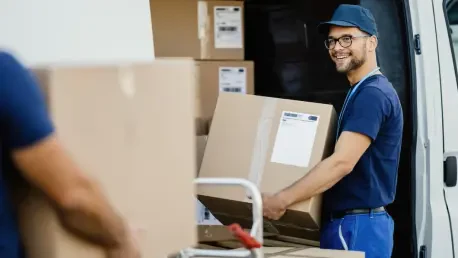
Market forecasts indicate a sustained upward trajectory for e-commerce, which in turn places immense pressure on the most critical and complex stage of the supply chain: last-mile delivery. This final step, which involves transporting goods from a local distribution center to the customer’s doorstep, is often the most expensive and challenging part of the entire process. The increasing expectation for faster, and even same-day, delivery is compelling companies to innovate in this area.
To meet this demand, logistics firms are expanding their fleets, optimizing delivery routes with AI, and establishing more micro-fulfillment centers closer to residential areas. The ability to execute last-mile delivery efficiently and reliably has become a key battleground for market share. Companies that master this segment will not only satisfy end-consumers but also become indispensable partners for online sellers, from large enterprises to individual entrepreneurs.
2GO’s Strategic Blueprint for Dominance
Building a Smarter, More Responsive Freight Ecosystem
In response to these market dynamics, 2GO Group, Inc. is strategically pivoting to build a more intelligent and agile freight ecosystem. The company’s approach centers on integrating technology to enhance efficiency and provide clients with greater control over their supply chains. This involves investments in systems that offer real-time tracking, automated sorting, and predictive analytics to anticipate potential disruptions and optimize resource allocation.
The goal is to move beyond traditional freight services and offer a more holistic logistics solution. By creating a responsive network, 2GO aims to reduce transit times, minimize handling errors, and provide the flexibility needed to support just-in-time inventory models for manufacturers and retailers. This smarter infrastructure is designed to handle the complex demands of both B2B and B2C markets seamlessly.
Expanding the Express Network for Nationwide E-Commerce Coverage
A cornerstone of 2GO’s growth strategy is the aggressive expansion of its express and e-commerce network. Recognizing that speed and reach are critical in the digital age, the company is focused on strengthening its capacity for rapid, nationwide delivery. This initiative involves increasing the number of distribution hubs, optimizing delivery routes, and enhancing last-mile capabilities to serve a broader geographic area.
This expansion directly supports the needs of online businesses, from small-scale social sellers to major e-commerce platforms. By offering reliable and scalable end-to-end solutions, 2GO intends to position itself as the logistics partner of choice for the digital economy. The ultimate objective is to simplify the complexities of fulfillment for businesses, allowing them to focus on growth while 2GO manages the intricate process of getting their products into the hands of customers across the Philippines.
Navigating the Challenges of a Dynamic Market
Addressing Infrastructural Gaps and Logistical Complexities
Despite the opportunities, the Philippine logistics sector faces significant hurdles, most notably infrastructural deficiencies. Inadequate road networks, port congestion, and a lack of modern warehousing facilities in certain regions can create bottlenecks that delay shipments and increase operational costs. Logistics providers must develop creative solutions, such as leveraging alternative routes and multi-modal transport, to circumvent these challenges.
Furthermore, the country’s archipelagic nature adds another layer of complexity, requiring seamless coordination between land, sea, and air transport. Navigating these geographic and infrastructural realities demands deep local expertise and substantial capital investment. Companies that can effectively manage these complexities are better positioned to offer the reliable, nationwide service that the market demands.
Staying Competitive Amidst Rising Operational Costs
The logistics industry is currently grappling with the pressure of rising operational costs, including fluctuating fuel prices, increased labor expenses, and the capital outlay required for technological upgrades. These factors can squeeze profit margins and make it difficult to maintain competitive pricing. To counteract this, companies are forced to focus relentlessly on operational efficiency.
Strategies for mitigating these costs include route optimization to reduce fuel consumption, automation to improve labor productivity, and scalable technology platforms that can handle increased volumes without a proportional rise in overhead. Balancing service quality with cost-effectiveness remains a central challenge, and the ability to innovate and adapt to these economic pressures is crucial for long-term viability.
The Regulatory Framework Shaping Logistics
Compliance with Maritime and E-Commerce Regulations
Operating in the logistics sector requires strict adherence to a complex web of regulations governing both maritime transport and digital commerce. Maritime laws dictate safety standards, vessel registration, and cargo handling procedures, which are critical for a company like 2GO with significant sea travel operations. Compliance ensures not only the safety of goods and personnel but also the smooth flow of inter-island trade.
Simultaneously, the rise of e-commerce has introduced new regulatory considerations, including consumer protection laws, transaction standards, and rules governing online marketplaces. Logistics providers, as key enablers of e-commerce, must ensure their practices align with these regulations to build trust and operate legally. Navigating this dual regulatory landscape is essential for sustainable growth.
Ensuring Security and Data Privacy in Digital Deliveries
In an increasingly digital supply chain, the security of both physical goods and sensitive customer data has become a paramount concern. Logistics companies are custodians of valuable merchandise and personal information, including names, addresses, and contact details. Consequently, robust security protocols are needed to prevent theft, fraud, and damage to parcels throughout the delivery process.
Moreover, compliance with data privacy laws, such as the Data Privacy Act in the Philippines, is non-negotiable. Companies must implement strong cybersecurity measures to protect customer information from breaches and misuse. Building a reputation for security and data privacy is crucial for maintaining customer confidence and securing long-term partnerships with e-commerce platforms.
A Forward Look at Integrated Logistics
The Future of End-to-End Solutions for MSMEs and Enterprises
The logistics industry is moving decisively toward integrated, end-to-end solutions that cover the entire supply chain, from the factory floor to the customer’s door. This model is particularly beneficial for Micro, Small, and Medium Enterprises (MSMEs), which often lack the resources to manage complex logistics in-house. By offering a single point of contact for warehousing, inventory management, fulfillment, and delivery, providers can empower smaller businesses to compete on a larger scale.
For larger enterprises, these integrated solutions offer opportunities for greater efficiency and supply chain visibility. By outsourcing their logistics needs to a specialized partner, they can reduce overhead, streamline operations, and focus on their core competencies. The future of logistics lies in providing these flexible, scalable, and comprehensive services that cater to the diverse needs of the modern economy.
How 2GO’s Strategy Aims to Propel National Economic Activity
The strategic focus of 2GO on enhancing its freight and e-commerce capabilities was more than a corporate objective; it was a direct contribution to the nation’s economic infrastructure. By building a more efficient and reliable logistics network, the company facilitated smoother trade, supported the growth of digital commerce, and enabled businesses of all sizes to reach new markets. This effort was crucial in connecting disparate parts of the archipelago and fostering more inclusive economic growth.
Ultimately, the refinement of end-to-end logistics solutions by key players like 2GO served as a catalyst for broader economic activity. The provision of scalable and accessible supply chain services empowered manufacturers, agribusinesses, and online entrepreneurs, helping to drive productivity and competitiveness across various sectors. The impact of this strategic direction extended far beyond the company, reinforcing the principle that a robust logistics backbone is essential for a thriving national economy.