
The silent, digital battleground for global commerce is becoming increasingly volatile, with the intricate networks that move goods around the world now facing an unprecedented and rapidly escalating threat from sophisticated cybercriminals. Analysis of recent trends indicates that malicious cyber incidents targeting logistics and supply chain operations are on track to double this year, continuing a staggering pattern of growth that has seen attacks increase by nearly 1,000% over the past five years. This alarming acceleration, which included a 61% jump in incidents just last year, signals a fundamental change in the risk landscape. Cyber risk is no longer a peripheral IT concern but has transformed into a primary, fast-moving operational challenge for the entire supply chain. The growing reliance on digitalization and automation, compounded by flaring geopolitical tensions, has made critical logistics infrastructure a prime target, posing a more immediate and disruptive risk than traditional obstacles like severe weather or labor disputes.
A Strategic Shift in Attack Vectors
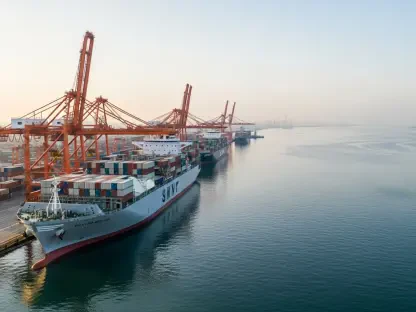
The methodology behind these cyberattacks has undergone a critical evolution, reflecting a more strategic and disruptive approach by malicious actors. Rather than focusing on individual companies, hackers are increasingly targeting shared transportation networks that form the backbone of global trade. Critical infrastructure points such as ports, major shipping carriers, and third-party logistics providers (3PLs) have become the preferred targets. This tactic creates a powerful cascading effect, where a single, well-placed breach can send shockwaves through the entire system, disrupting the operations of thousands of businesses simultaneously. A successful attack on a major port’s operating system or a 3PL’s management software can lead to stalled shipments, severe inventory backlogs across multiple industries, and significant, unforeseen cost increases for shippers and consumers alike. This shift highlights a glaring vulnerability: the interconnectedness designed for efficiency has also created a single point of failure that can be exploited to cause widespread economic paralysis, often leaving the directly affected shippers and carriers with little control as the breach originates within a trusted third-party system.
The Evolving Profile of Digital Adversaries
An examination of these incidents revealed a disturbing trend in the identity and motivation of the attackers. A growing number of sophisticated cyberattacks were attributed to highly coordinated and well-funded state-sponsored groups, with specific activity linked to actors operating from Russia, China, and Iran. These were not isolated events but concerted campaigns that simultaneously targeted critical maritime, air, and ground transportation infrastructure across multiple countries, suggesting a strategic effort to disrupt global economic stability. This development solidified the realization that the digital security of logistics was no longer just a commercial issue but a matter of national and international security. The industry came to understand that the confluence of increasing automation and persistent geopolitical friction had created a perfect storm, transforming the foundational elements of global trade into a new frontline for international conflict. The focus had to shift from merely reacting to breaches to proactively fortifying an infrastructure that had become a strategic asset in a much larger global power struggle.