
The industrial landscape is shifting rapidly as heavy industry adopts high-tech solutions once reserved for consumer electronics or automotive assembly. To navigate this evolution, industry leaders are pooling their strengths to redefine what is possible in complex manufacturing environments through strategic partnerships. This conversation explores how the integration of proprietary control technologies and global industrial footprints serves diverse sectors ranging from shipbuilding to giga casting. We delve into the mechanics of multi-process automation and the strategic importance of strengthening regional markets through shared technical frameworks.
High-growth sectors like shipbuilding, intralogistics, and battery production are increasingly turning to integrated automation. How do these industries specifically benefit from improved scalability, and what unique technical hurdles must be overcome to implement robotics in such heavy industrial environments?
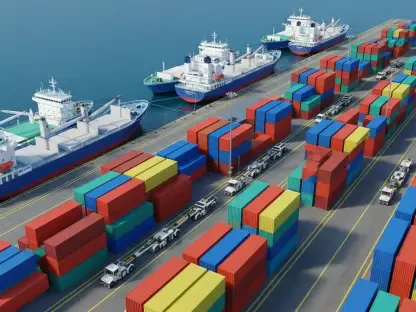
Industries like shipbuilding and battery production operate on a massive physical scale where manual processes often lead to bottlenecks or safety risks. By integrating advanced automation, these sectors can scale their operations to meet surging global demand without the linear cost increases associated with traditional labor-intensive methods. However, the technical hurdles are significant, particularly when navigating the environmental stressors of heavy industry, such as extreme heat or the physical vastness of critical infrastructure projects. To overcome these, engineers must design systems that are not only robust enough to handle heavy lifting but also precise enough to manage the intricate requirements of battery assembly.
Combining proprietary control technology with a global robotics portfolio creates a specific technical synergy. How does this multi-process approach drive operational efficiency for the end-user, and what are the step-by-step phases of integrating these diverse automated systems into a single workflow?
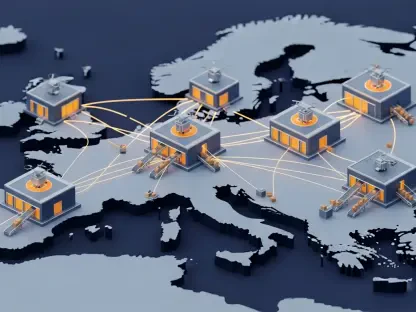
The synergy between proprietary control technology and a global robotics portfolio allows for a more holistic approach to automation where the hardware and software are perfectly synchronized. This multi-process strategy drives efficiency by eliminating the friction often found when trying to force disparate systems to communicate with one another. The integration process typically begins with identifying the specific technical applications where combined expertise generates the most value for the client. This is followed by a coordinated engineering phase to map out the workflow and a final deployment phase that utilizes a global industrial footprint to ensure the solution is maintained and supported locally.
Giga casting and critical infrastructure projects require a high degree of precision and flexibility. What specific metrics should project managers monitor to ensure these automated systems are performing optimally, and could you provide an example of how automation reduces complexity in these large-scale applications?
In applications like giga casting, project managers must keep a close eye on metrics such as cycle time consistency, thermal stability, and the precision of robot-assisted removals. Because these projects involve massive structural components, even a slight deviation in performance can lead to significant material waste or structural failure. Automation reduces complexity by consolidating what would normally be several manual stations into a single, automated cell governed by a central control system. This centralization simplifies the data flow and allows operators to monitor the entire lifecycle of a complex project through a unified interface, rather than managing dozens of isolated variables.
Expanding automation solutions into the German market and other international regions requires a coordinated commercial approach. What are the primary advantages of utilizing a shared technical framework when entering new industrial segments, and how does this cooperation help mitigate the risks of market diversification?
Utilizing a shared technical framework allows companies to enter demanding markets like Germany with a proven, standardized methodology that still offers the flexibility needed for local customization. This coordinated approach ensures that the advanced automation technologies being deployed are backed by the global reach and support structures necessary to sustain long-term operations. Diversification can be inherently risky, but by aligning the strengths of two established leaders, those risks are mitigated through a shared understanding of local industrial standards and technical requirements. This cooperation enables a more proactive response to market shifts, allowing for a faster transition into new sectors like intralogistics without the growing pains of a solo market entry.
What is your forecast for the future of advanced automation in heavy industry?
I expect to see a profound convergence where the heavy lifting of traditional industry becomes inseparable from the digital intelligence of modern robotics. As sectors like shipbuilding and critical infrastructure continue to modernize, we will see a shift toward proactive automation systems that can adjust to workflow changes in real-time. The importance of strategic partnerships will only grow, as the complexity of these technical applications requires a blend of specialized control software and global industrial scale. Ultimately, the future lies in creating highly flexible, integrated ecosystems that can adapt to global economic demands with unprecedented speed and efficiency.