
The relentless pressure on modern logistics hubs has reached a tipping point where traditional floor-based sorting can no longer keep pace with the staggering velocity of global e-commerce. As warehouses grapple with limited real estate and an acute shortage of manual labor, the industry is hitting a physical ceiling that necessitates a radical departure from conventional movement patterns. Brightpick has met this challenge by unveiling Gridpicker, a high-performance automation solution designed to eliminate the friction inherent in large-scale fulfillment.
This strategic pivot toward a grid-based architecture marks a significant expansion of the company’s technological footprint beyond mobile robotics. By showcasing the system at LogiMAT, the company has set a new benchmark for European logistics, providing a roadmap for facilities that require massive scalability. This debut signals a transition from simple robotic assistance to a fully integrated ecosystem where speed and density coexist without the usual operational trade-offs.
Shattering the Efficiency Ceiling in Modern Warehousing
The primary obstacle facing high-volume centers today is the hidden bottleneck created by horizontal congestion and the inability to access vertical space dynamically. Many facilities are reaching their operational limits because they rely on systems that require wide aisles or human intervention at key touchpoints. Gridpicker addresses this by replacing fragmented processes with a cohesive, high-speed grid that allows for simultaneous picking and replenishment without interference.
Moving toward this advanced automation is no longer a luxury but a strategic necessity for brands aiming to survive in a low-margin environment. Brightpick has utilized its experience with mobile manipulators to create a system that thrives in these high-pressure settings. The European launch serves as a clear signal that the future of logistics lies in hardware that can think and adapt in real time while maintaining a compact physical footprint.
Bridging the Gap Between Rigid Shuttles and Flexible Robotics
Legacy shuttle systems have historically dominated about 75% of the market, yet they often trap operators in a cycle of high capital expenditure and rigid infrastructure that is difficult to modify once installed. These systems provide high throughput but lack the agility to adapt to shifting seasonal demands or inventory changes. Gridpicker solves this “75% problem” by offering the power of a permanent shuttle system with the inherent flexibility and lower entry costs of modern robotics.
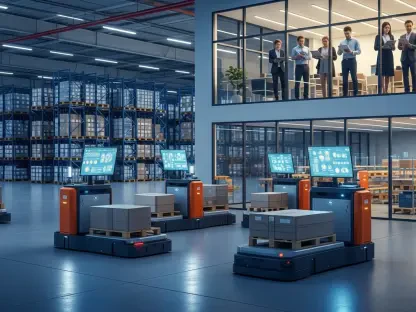
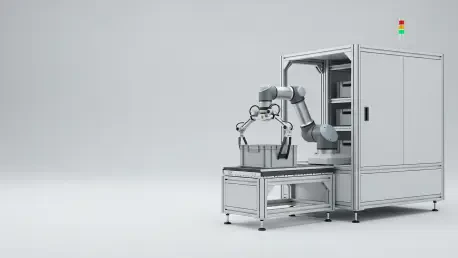
This evolution represents a significant step beyond the original Autopicker technology, as it refines the AI-powered mobile manipulator concept for much denser environments. The industry is witnessing a decisive shift toward scalable infrastructure that prioritizes a rapid return on investment. By utilizing AI to govern robot paths and picking priorities, the system ensures that the warehouse remains agile enough to pivot its strategy without requiring a total facility overhaul.
Deconstructing the Gridpicker Architecture and Performance Metrics
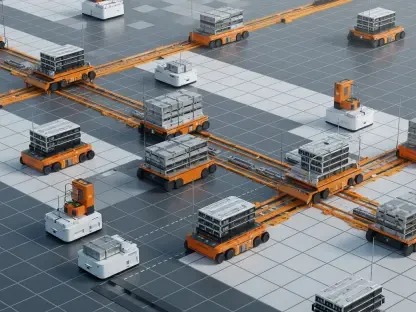
The architectural core of this system lies in the synergy between high-density storage grids and intelligent manipulators that navigate a vertical environment with precision. These robots are not merely moving items; they are managing a three-dimensional space that reaches up to 12 meters, or 40 feet, in height. This vertical maximization allows warehouses to rival the storage capacity of specialized cube-based systems while maintaining the accessibility of an open-grid layout.
Performance data indicates that this configuration can double the throughput density found in traditional setups, delivering approximately 10 order lines per hour for every square meter of floor space. This efficiency is achieved through a streamlined workflow that integrates picking, buffering, and sortation into a singular automated journey. By consolidating these disparate tasks, the system removes the need for secondary conveyor belts or manual consolidation stations, drastically reducing the physical touchpoints required for every shipment.
The Economic Disruption of Automated Storage and Retrieval
Jan Zizka has articulated a vision centered on filling the void left by systems that are either too basic for high-volume needs or too expensive for mid-market players. The economic impact of this disruption is profound, as Brightpick offers shuttle-level performance at a cost that is roughly 40% lower than legacy alternatives. This reduction in capital entry points allows a broader range of companies to access sophisticated automation that was once reserved for only the largest global retailers.
The labor savings associated with this transition are equally significant, with the potential to reduce manual fulfillment tasks by up to 95%. Early market momentum has already led to a surge in orders, with initial installations scheduled to go live later this year. This rapid adoption suggests that the logistics sector is hungry for solutions that prioritize operational uptime and cost-effectiveness without the multi-year construction timelines associated with older automated storage and retrieval systems.
Strategies for Integrating High-Volume Grid Automation
Successful integration starts with a thorough assessment of whether a facility has outgrown its current autonomous mobile robot fleet. When a warehouse reaches a point where additional robots only increase floor congestion rather than output, transitioning to a vertical grid becomes the logical next step. Logistics managers should focus on reconfiguring their floor plans to take full advantage of the 12-meter height capability, ensuring that every cubic inch of the building contributes to the bottom line.
The modular nature of this technology allows for phased scaling, enabling operators to expand their automated capacity without forcing a complete operational shutdown. Preparing for this rollout required a shift in mindset toward data-driven inventory placement and vertical space management. As these systems became the new standard for high-volume hubs, companies that prioritized modularity and AI-driven density found themselves best positioned to handle the complexities of the modern supply chain.