
Setting the Stage for Logistics Transformation Imagine a logistics manager grappling with a sudden port strike, unable to track shipments or reroute deliveries, while consumer demands for same-day delivery continue to surge, creating immense pressure. This scenario is not a distant possibility but

In an era where technology drives efficiency across industries, the supply chain sector stands at a pivotal moment with artificial intelligence (AI) promising to revolutionize transportation management systems (TMS). Yet, despite the excitement surrounding AI’s potential, a significant number of
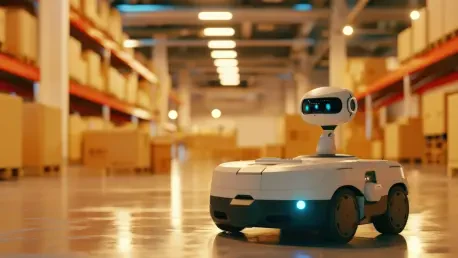
Setting the Stage: A Sustainability Revolution in UK Retail Logistics In the bustling landscape of UK retail and e-commerce, a staggering 88% of senior leaders from major companies believe warehouse automation holds the key to a greener, more efficient future, highlighting a pivotal shift in the
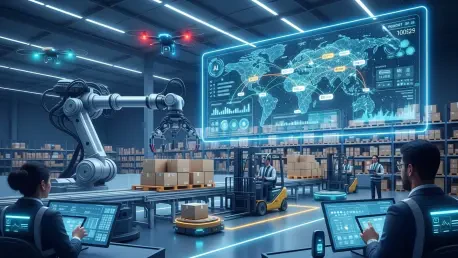
What happens when a single delay at a border crossing costs a company thousands of dollars in lost revenue and time? In the high-stakes world of freight logistics, such disruptions are a daily reality, threatening efficiency and profitability. Yet, a transformative force is at play—Artificial
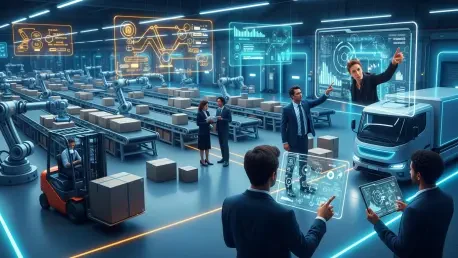
Imagine a global supply chain where trillions of dollars’ worth of goods move annually, yet importers struggle with outdated tools like emails and spreadsheets, leading to costly delays and inefficiencies that disrupt operations. This fragmented reality has long plagued the logistics industry,
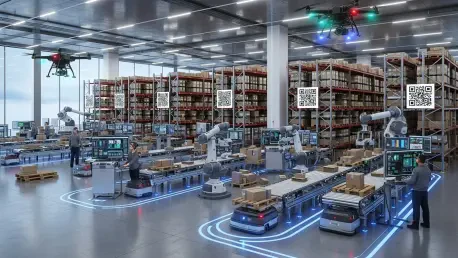
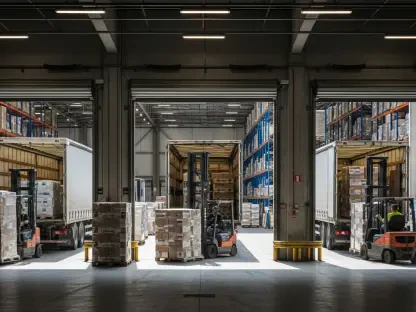
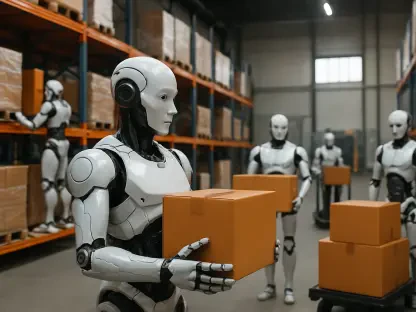
Imagine a warehouse where robots glide silently between aisles, sensors detect potential hazards before they escalate, and systems predict maintenance needs with uncanny precision. This is no longer a distant vision but a reality reshaping the logistics industry. Smart warehousing technologies have