
The rapid shift toward off-premise dining has forced the restaurant industry to rethink how physical spaces manage the heavy influx of mobile orders and delivery drivers during peak hours. As mobile ordering evolves into the primary revenue driver for quick-service and fast-casual establishments,
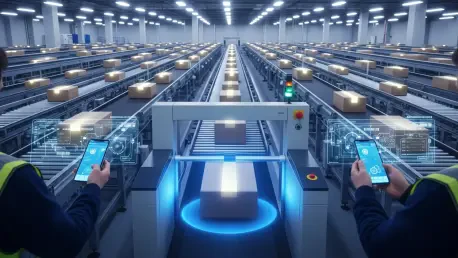
The End of the Black Box Supply Chain A single misplaced parcel in a sprawling distribution center often triggers a costly chain reaction of delays that ripples through global trade networks and compromises consumer satisfaction. While the logistics industry historically functioned through manual
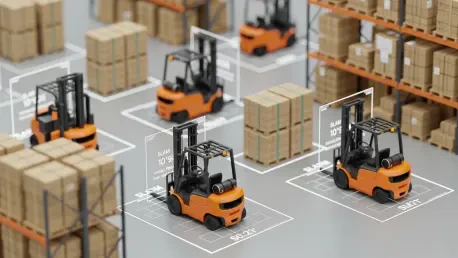
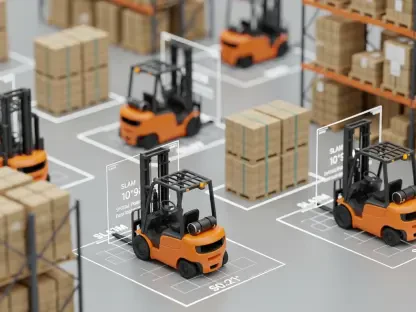
Modern warehouses lose thousands of hours and millions of dollars annually simply because the digital record of a pallet does not match its physical reality on the floor. While the industry has long sought a way to bridge this "data gap," traditional methods have remained stubbornly manual, relying

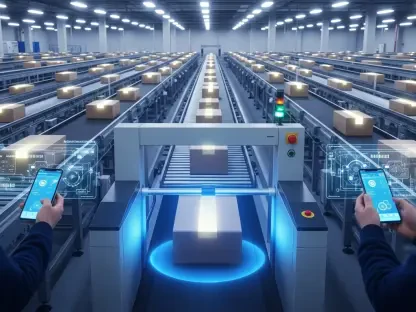
The silent rhythm of a multi-billion dollar distribution center depends less on the visible roar of massive engines and more on the invisible pulses of sensors tucked away in every conveyor joint. These components are the fundamental units of industrial intelligence, acting as the bridge between
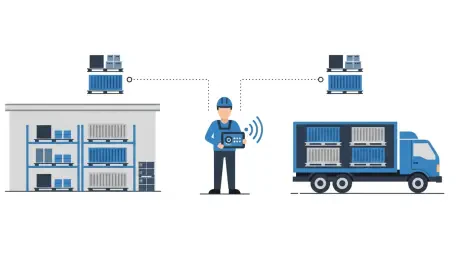
The modern supply chain is a marvel of efficiency, yet it is often plagued by frustrating blind spots where high-value assets and crucial shipments seemingly vanish from tracking systems between checkpoints. This long-standing visibility gap has traditionally been accepted as a costly, unavoidable
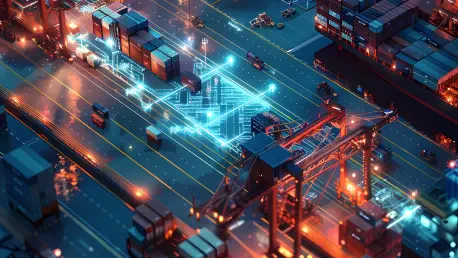
The traditional freight industry has long operated in a reactive state of perpetual crisis management, where logistics professionals spend their days extinguishing operational fires rather than strategically planning for the future. This constant cycle of troubleshooting—addressing missed