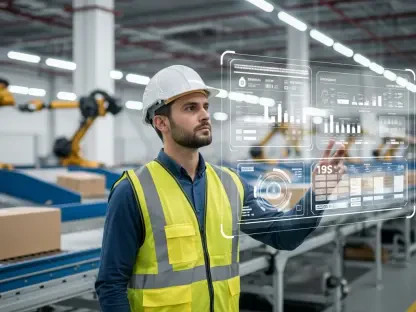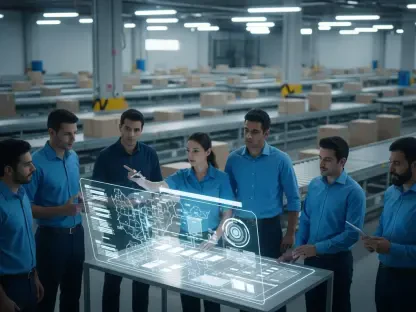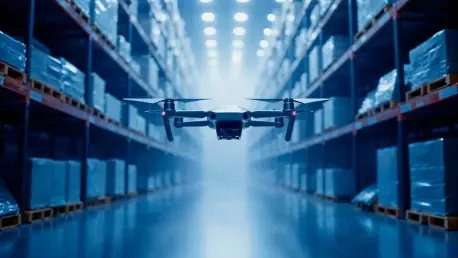

Imagine a bustling warehouse where every minute counts, yet delays pile up due to inefficient processes, misplaced items, and frustrated workers struggling with outdated methods. In an industry where speed and accuracy define success, the pressure to keep up with demand can be overwhelming. Many

Imagine a world where American innovation, once the cornerstone of global technological advancement, struggles to keep pace with competitors due to staggering cost disparities and a lack of strategic support. This isn’t a distant dystopia but a pressing reality for U.S. robotics manufacturers

Imagine a workplace where mundane tasks vanish at the click of a button, where data insights flow seamlessly to guide decisions, and where efficiency soars beyond human limits. This is the promise of artificial intelligence (AI) in professional settings, a technology rapidly reshaping industries
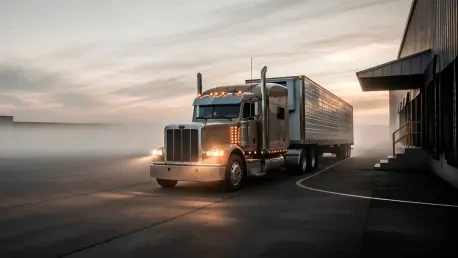
Introduction Trucking’s so-called driver shortage has lingered not because America lacks committed drivers but because daily work gets derailed by fragmented systems, unclear handoffs, and shifting rules that drain patience faster than a long wait at a congested shipper. That friction does not show

Across the rail network the costliest delays and the most avoidable safety incidents often trace back to wheel geometry drifting out of tolerance long before a crew with handheld gauges can catch the change under tight operating windows. That gap between the pace of wear and the cadence of
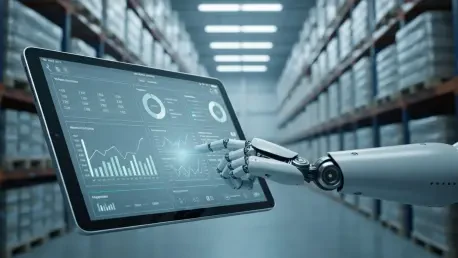
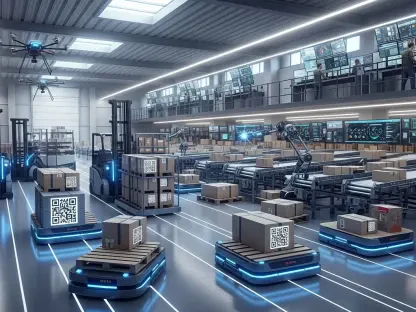
Imagine a warehouse humming with activity during the Black Friday rush, where orders are picked with pinpoint accuracy, inventory updates in real-time, and workers move seamlessly alongside smart machines. This is no longer a futuristic vision but a present-day reality in the logistics industry,