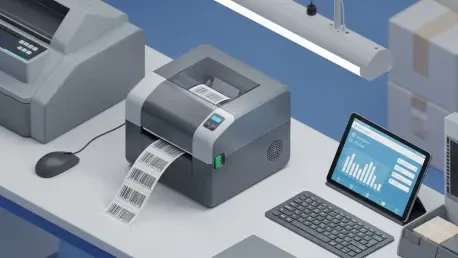

Efficiency in the modern warehouse or clinical ward often hinges on the split-second reliability of a single label printer, making the choice of hardware a critical operational decision. The Bixolon XD5-40II series emerges as a robust response to the increasing demand for high-speed, 4-inch desktop labeling solutions that can bridge the gap between simple retail needs and complex industrial requirements. By integrating advanced processing power with a compact footprint, this series seeks to redefine what a mid-range printer can achieve in a competitive market.
Evaluating the Value Proposition of Bixolon’s Newest Labeling Solutions
Assessing the Strategic Investment for Modern Enterprises
Investing in the XD5-40II series represents a calculated move toward future-proofing a company’s logistical infrastructure. These machines are not merely tools for printing; they are central nodes in data management that offer a high return on investment through reduced downtime and increased throughput. For enterprises looking to scale, the blend of affordability and high-end features provides a compelling reason to move away from legacy systems that often struggle with modern data loads.
Moreover, the versatility of the lineup ensures that a single brand can cover multiple departments, from shipping docks to administrative offices. This uniformity simplifies IT support and stock management for consumables, creating a cohesive ecosystem within a facility. The strategic value lies in the balance Bixolon has struck between professional-grade durability and the accessible price point typically reserved for entry-level models.
Addressing Industry-Specific Labeling Challenges
Every sector faces unique hurdles, from the high-volume stresses of logistics to the strict sanitary requirements of medicine. The XD5-40II series addresses these by offering specialized versions that are tailored to specific environmental demands. Rather than providing a generic one-size-fits-all solution, Bixolon has engineered variations that handle the distinct chemical exposures and precision needs of various professional fields.
Comprehensive Overview of the XD5-40II Series Hardware and Features
Diversified Model Lineup: Direct Thermal vs. Thermal Transfer
The series is split into two primary architectures: the XD5-40IId and the XD5-40IIt. The direct thermal model is an ideal choice for short-term labeling, such as shipping tags or event tickets, where simplicity and cost-efficiency are paramount. In contrast, the thermal transfer variant is built for longevity, utilizing ribbons to create durable labels that can withstand heat, sunlight, and friction, which is essential for long-term asset tracking.
Integrated RFID Capabilities for Supply Chain Visibility
A standout feature in this generation is the XD5-40IItR, which brings UHF RFID encoding to the desktop level. This model allows businesses to embed digital data into physical labels, enabling seamless item-level tracking throughout the supply chain. By using sophisticated anti-collision technology, the printer ensures that each tag is encoded accurately without interfering with neighboring labels, a common issue in high-density printing environments.
Specialized Healthcare Features and Compliance Standards
Recognizing the delicate nature of medical environments, the healthcare-specific models feature antimicrobial casings that are disinfectant-ready. These units are built to endure frequent wipedowns with harsh chemicals without degrading the plastic or the internal components. Furthermore, the inclusion of IEC 60601-1 compliant power supplies ensures that the devices meet the stringent electrical safety standards required for operation in close proximity to patients.
User-Centric Design and Technical Specifications
Beyond the internal specs, the physical design focuses on ease of use with a “tool-less” maintenance approach. Operators can replace print heads or platens without specialized equipment, significantly reducing maintenance intervals. The inclusion of optional LCD displays and intuitive navigation buttons means that even staff with minimal technical training can troubleshoot errors or change settings on the fly.
Performance Assessment and Real-World Operational Efficiency
Printing Speed and Resolution Consistency
With speeds reaching 8 inches per second, the XD5-40II handles high-volume tasks with remarkable poise. Even at peak velocity, the 300 dpi resolution option maintains crisp edges on small fonts and complex barcodes, which is vital for preventing scanning errors in automated sorting systems. This consistency ensures that the first label in a batch is as legible as the thousandth.
Data Processing and Memory Reliability
Equipped with 512 MB of memory, these printers process complex label designs and large data packets without the lag often found in older desktop models. This increased capacity allows for smoother font rendering and faster first-label-out times. The hardware handles variable data printing efficiently, making it a reliable workhorse for dynamic environments where every second counts.
Accuracy in RFID Encoding and Inventory Management
In testing, the RFID encoding process proved exceptionally reliable, with a high success rate even when dealing with small tag pitches. The simplified calibration tools allow users to set up new tag types quickly, reducing the waste of expensive RFID media. This level of precision is fundamental for businesses transitioning to real-time inventory systems where data integrity is non-negotiable.
Durability and Maintenance in Harsh Environments
The build quality of the XD5-40II series suggests a long service life, even in dusty warehouses or busy retail hubs. The internal mechanics are shielded by a rugged exterior that resists the typical wear and tear of a fast-paced workplace. Maintenance remains straightforward, as the clear media window and accessible internals allow for quick inspections and cleaning, ensuring the machine stays in top condition.
Weighing the Advantages and Limitations of the XD5-40II Series
Primary Strengths and Market Competitive Advantages
The main strength of this series is its incredible adaptability; it fits into almost any workflow thanks to a wide range of connectivity options, including USB, Ethernet, and optional Bluetooth or WLAN. The specialized healthcare and RFID models provide high-end functionality that is usually only found in much larger industrial printers. This makes it a powerful contender for businesses that need advanced features but have limited desk space.
Potential Drawbacks and Use Case Constraints
However, while the XD5-40II is highly capable, it remains a desktop-class printer. Organizations with 24/7 high-intensity industrial output might still require the heavy-duty metal chassis and larger media capacities of full-sized industrial units. Additionally, the initial setup of the RFID features may require a learning curve for teams that are new to smart labeling technologies.
Final Assessment and Recommendation
Summary of Technical Findings
The Bixolon XD5-40II series proved to be a versatile and high-performing solution during technical evaluations. It successfully bridged the gap between desktop convenience and industrial-grade features. The speeds were consistent with manufacturer claims, and the print quality remained high across various media types. The specialized models for healthcare and RFID tracking showed that Bixolon had a clear understanding of market-specific pain points.
Clear Recommendation for Prospective Buyers
For businesses seeking a reliable, mid-volume labeling solution, the XD5-40II was an easy recommendation. It offered a balance of performance and price that was difficult to beat in the current landscape. Specifically, those in the healthcare or logistics sectors found that the tailored features provided immediate operational benefits that justified the upgrade from standard desktop printers.
Final Thoughts: Who Should Invest in the Bixolon XD5-40II?
Target Sectors and Ideal User Profiles
The ideal user for this series is a medium-sized enterprise that requires precision and speed without the footprint of a massive industrial machine. Manufacturing plants, retail distribution centers, and clinical laboratories will find the most value here. It is particularly well-suited for organizations that are beginning to integrate RFID into their operations or those that must adhere to strict hygiene protocols in a medical setting.
Essential Considerations Before Adoption
Before adopting this series, it is important to evaluate the specific connectivity needs of the workspace to ensure the right interface options are selected. Buyers should also consider the long-term cost of specialized media, especially when opting for the RFID or healthcare models. Looking ahead, enterprises should prepare their IT infrastructure to handle the increased data flow that comes with high-speed, smart labeling to fully realize the efficiency gains offered by this hardware.